10% Rule: Treats vs. Main Diet for Optimal Cat Health
"It’s just a little piece of plain bread." That is the thought running through a pet owner's mind as they watch their cat sniff a fallen crumb from the breakfast plate.
While a single piece of plain, dry toast is unlikely to be life-threatening, it offers absolutely nothing to a feline's biological needs and carries hidden risks depending on what was spread on top.
Understanding the gap between human cravings and feline biology is the first step in keeping your cat healthy.
Key Takeaways * Plain toast lacks essential nutrients and provides empty carbohydrates that cats cannot efficiently process. * Hidden ingredients like garlic, onion, or xylitol in specialty breads can be toxic. * Treats should never exceed 10% of a cat's total daily calorie intake.
* Focusing on moisture-rich, protein-heavy diets is the best way to support long-term health.
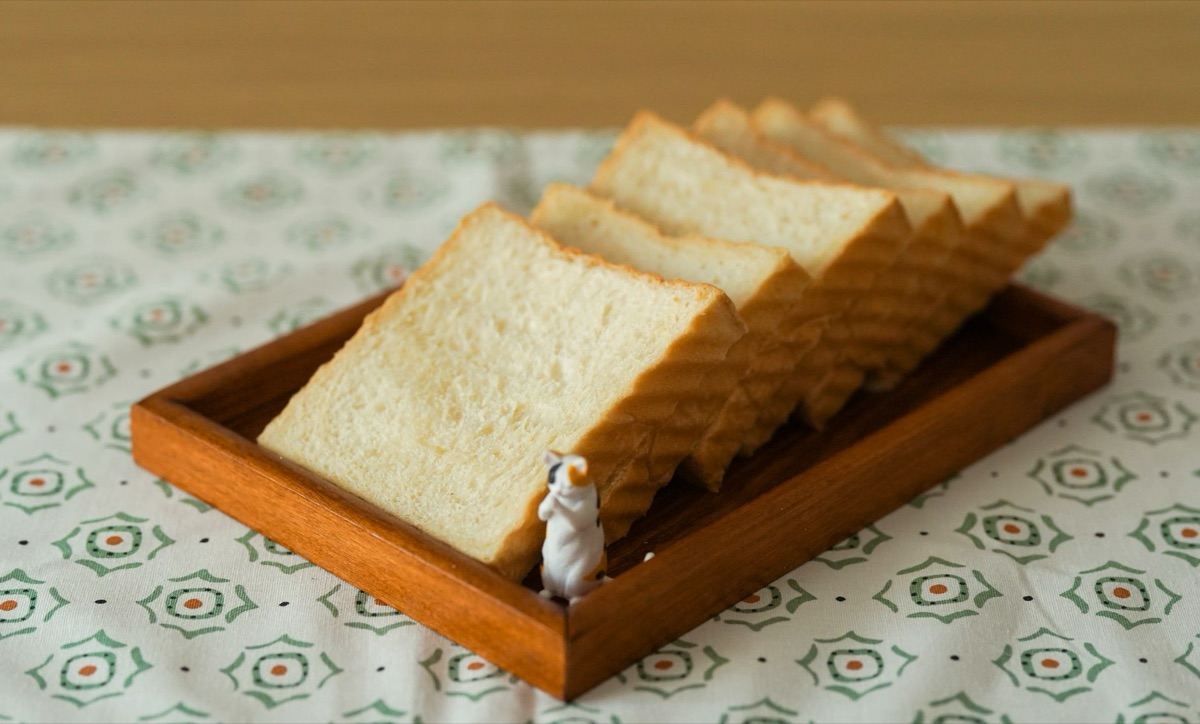
Is it safe to feed my cat toast? A golden-brown slice of toast sits on a plate, the smell of warm yeast filling the kitchen while a curious tabby weaves between legs. In this moment, the temptation for the cat is high, but the nutritional value is nearly zero.
While plain white or wheat toast isn't "toxic" in the way chocolate is, it is biologically inappropriate. Cats are obligate carnivores, meaning their bodies are designed to derive nutrients almost exclusively from animal tissue.
Carbohydrates, the primary component of toast, are not a natural part of a feline diet.
The danger level rises significantly once we look at what else might be on that toast. Many breads contain salt, which can lead to dehydration or electrolyte imbalances if consumed in large amounts.
Some specialty breads or artisanal loaves may contain xylitol (a sweetener) or seasonings like garlic and onion powder, both of which are dangerous to cats. Even the yeast in some breads can cause gastrointestinal upset or, in extreme cases of raw dough ingestion, serious health complications.
If your cat does manage to snag a piece of toast, watch for signs of an upset stomach, such as vomiting, diarrhea, or lethargy. If the toast contained seasonings or sweeteners, contact your veterinarian immediately.
But why does a simple slice of bread cause such a metabolic mismatch?

Should I feed my cat human food? The sun hits the living room floor where a cat is curled up, satisfied after a bowl of specialized kibble. To a human, a piece of toast is a snack; to a cat, it is a metabolic mismatch.
The fundamental issue is the "obligate carnivore" status. Cats require specific amino acids, like taurine, which are found in animal proteins. They do not have the biological machinery to thrive on a carbohydrate-heavy diet.
While they can digest some starch, it provides no functional benefit to their health.
Maintaining a balance is vital. A 2004 survey in the US and Australia found that 26% of cats received treats on a daily basis. While occasional treats are part of the bond between pet and owner, they can easily disrupt a balanced diet.
It is a golden rule in feline nutrition that not more than 10% of a cat's total calorie intake should come from treats. Relying on human food scraps—even "healthy" ones like toast—can lead to obesity and nutritional deficiencies over time.
| Feature | Human Toast | Feline Main Diet |
|---|---|---|
| Primary Nutrient | Carbohydrates | Animal Protein & Fats |
| Biological Role | Energy (Non-essential) | Essential Survival |
| Moisture Content | Very Low | High (especially wet food) |
| Risk Factor | High (if seasoned/sweetened) | Low (if balanced) |
When I was looking through my own pantry last week, I realized how easy it is to forget that a "healthy" multigrain loaf for me is essentially a sugar bomb for a cat. The problem is that we often assume if it's safe for us, it's safe for them.
Safe Alternatives: What Should Cats Actually Be Eating?
A hand reaches for a can of wet food, the sound of the metal lid peeling back signaling the start of mealtime. This is the kind of nutrition that supports a cat's health, rather than just filling their stomach.
For a healthy life, cats need high-quality, complete commercial diets. These are formulated to meet the exact requirements of their species. In the world of pet food, you will generally find two main formats: dry food and wet food.
Dry food is typically made through a process called extrusion, where ingredients are cooked under high heat and pressure to create stable, crunchy kibble. In contrast, wet food—often found in aluminum or steel cans in various sizes—is much higher in moisture.
For example, while dry food usually has a moisture content of around 8–10%, wet food typically contains 75–78% moisture. This high moisture content is crucial for supporting kidney and urinary tract health, which is a common concern in felines.
Instead of offering toast, consider these safe ways to provide variety: 1. High-quality wet food as a primary meal. 2. Small amounts of freeze-dried meat treats. 3. Small pieces of plain, cooked meat (without bones, salt, or seasoning).
However, nutrition isn't just about what you put in the bowl; it's about how you manage the life of the cat you are feeding.

Beyond Toast: Tailoring Nutrition to Your Cat
A senior cat moves a bit more slowly toward the food bowl, requiring a different kind of energy than the energetic kitten racing through the hallway. Just as humans have different dietary needs as they age, so do cats.
Nutrition is not one-size-fits-all. A growing kitten requires much higher caloric density and specific minerals for bone development than an adult cat.
Similarly, a pregnant cat undergoes significant physiological changes; during pregnancy, a cat should gain approximately 38% of her body weight by the time she is ready to give birth. Providing the right balance of fats and proteins during this stage is critical for both the mother and the kittens.
As cats enter their senior years, their needs shift again, often requiring easier-to-digest proteins or specific joint supports. Managing these transitions is why professional, age-appropriate diets are superior to human scraps.
If you are looking to change your cat's diet, always transition slowly over 7–10 days to prevent digestive upset. Always consult your veterinarian to determine the specific caloric needs and life-stage requirements for your pet.
But what happens when a mistake is already made?
Quick Reference: Toxicity Watchlist
A sudden crash in the kitchen leads a pet owner to rush toward the floor, eyes wide with concern. In these moments, knowing what is dangerous can save a life.
If you are feeding anything other than pure, plain protein, you must be aware of these common "hidden" dangers often found in breads and toasts:
* Garlic and Onion: Often found in savory breads or seasonings; can cause life-threatening anemia in cats. * Xylitol: An artificial sweetener sometimes found in specialty breads; highly toxic to pets. * Excessive Salt: Can lead to dehydration and sodium ion poisoning. * Raisins/Grapes: While not in toast, any fruit-based toppings can cause kidney failure. * Chocolate/Cocoa: Some dark breads contain cocoa, which is dangerous.
Immediate Action Plan: If you suspect your cat has eaten something toxic (like garlic-seasoned toast or bread containing xylitol), do not wait for symptoms to appear. Wrap the cat in a blanket, grab their medical records, and head to the nearest emergency veterinary clinic immediately.
It is important to note that while these risks are significant, they are not universal. A single crumb of plain white bread is unlikely to cause an emergency, but the risk profile changes entirely with every added ingredient.


Comments 0