90% Success Rate: Making Complete Dog Food vs. Simple Treats
"A bowl of fresh meat and vegetables looks like a feast, but without a precise formula, it can quietly become a deficit."
Making your own dog food is a labor of love that requires more than just a trip to the local butcher and a bag of carrots. While the intention is to provide the freshest nutrition possible, a diet that lacks specific micronutrients can lead to long-term health issues that are difficult to reverse.
Key Takeaways
* Quality vs. Completeness: High-quality ingredients do not automatically equal a complete and balanced diet. * Macronutrient Balancing: Protein, fat, and carbohydrates must be precisely tuned to your dog's specific life stage and activity level. * The Micronutrient Gap: Simple home-cooked meals often lack the essential vitamins and minerals found in commercial stabilizers. * Professional Consultation: Always consult a veterinarian or a board-certified veterinary nutritionist before switching to a long-term homemade diet.
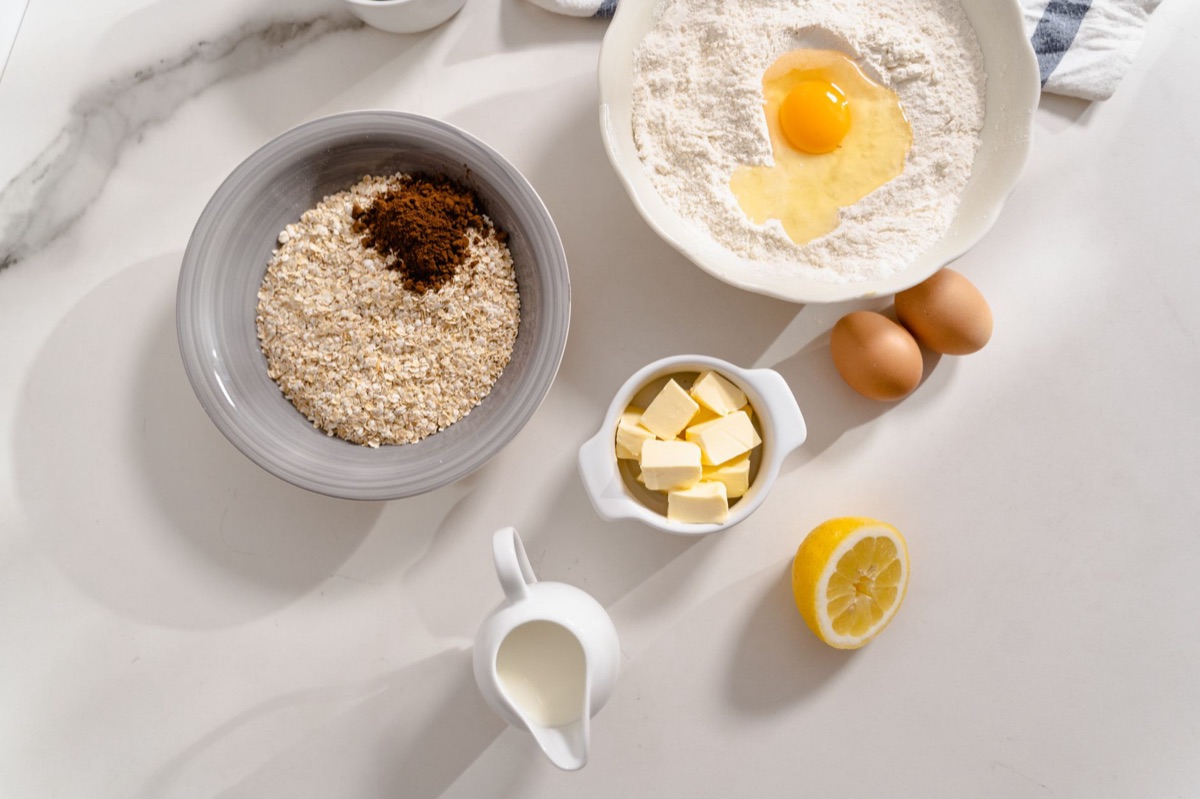
What makes an ingredient high quality for my dog? The kitchen counter is covered in various proteins and vegetables, and the smell of simmering chicken fills the room. You pick up a piece of beef, wondering if it is enough to sustain your dog's energy for the day.
When selecting ingredients, the primary goal is to provide bioavailable nutrition rather than just caloric filler. For protein, animal-based sources should be the cornerstone of the diet.
High-quality proteins like lean beef, turkey, chicken, or lamb provide the essential amino acids necessary for muscle maintenance and immune function. Unlike commercial fillers, these should be the focal point of your ingredient list.
Carbohydrates and fiber should be chosen with an eye toward digestibility. While grains like oats or brown rice can provide steady energy and fiber, they should be balanced against the dog's sensitivity.
Vegetables like green beans, carrots, and zucchini offer vital micronutrients and fiber without excessive caloric density.
Fats are equally critical, particularly for skin and coat health. Essential fatty acids, such as Omega-3 and Omega-6, should be sourced from high-quality fats like fish oil or specific animal fats.
When choosing fats, avoid highly processed vegetable oils that may lack the necessary fatty acid profiles.
Lastly, trace elements and micronutrients are the "invisible" requirements; while you can see the meat and the carrots, the calcium and phosphorus levels are what truly determine if the meal is safe.
But even with the best ingredients, a simple mixture can still fail.
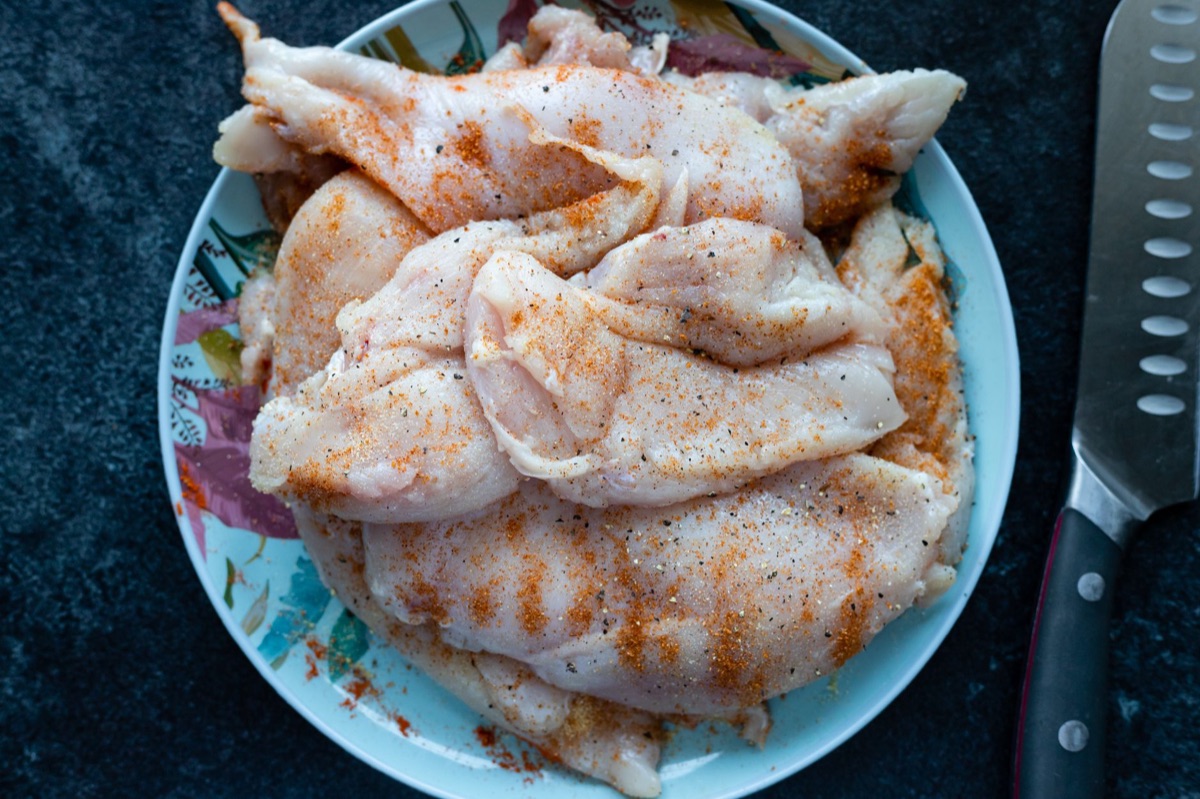
How do I ensure my dog's diet is actually balanced? You stand over a large mixing bowl, carefully measuring out scoops of ground meat and piles of shredded sweet potato. You wonder if the mixture is too heavy on one side or too light on the other.
A common mistake in DIY feeding is assuming that a "healthy" ingredient list results in a "balanced" meal. Nutritional profiling requires looking at the specific needs of the animal.
Macronutrient targets vary wildly; a working Border Collie requires a different protein-to-carb ratio than a sedentary Pug.
One of the biggest hurdles in homemade feeding is micronutrient completeness. Most single-ingredient or simple mixture diets fail to provide adequate levels of calcium, phosphorus, and trace minerals.
For example, a diet consisting only of muscle meat and vegetables will almost certainly lead to a calcium deficiency over time.
Life stage adjustments are non-negotiable. Puppies require significantly higher caloric density and specific mineral ratios for bone development compared to adult dogs. Conversely, senior dogs may need lower-calorie, higher-fiber options to manage weight and joint health.
It is also important to consider the moisture content of the food you are preparing. While dry commercial foods typically contain only 3% to 11% water, homemade meals often lean toward a "wet" consistency.
Wet food typically contains between 60% and 78% water, which can help with hydration but requires careful management of caloric density since the volume is higher.
If you get the balance wrong, the consequences can be immediate and dangerous.
Safety First: Ingredients to Strictly Avoid
The dog sits at your feet, tail wagging, eyes fixed on the cutting board where you are preparing a snack. You reach for a grape or an onion, and suddenly, you remember a warning you read online.
Safety in the kitchen means knowing which foods are strictly forbidden. There are certain items that should never enter a dog's bowl, regardless of how "natural" they seem.
Absolute No-Gos * Xylitol: This artificial sweetener, often found in peanut butters or baked goods, is extremely toxic and can cause rapid liver failure and hypoglycemia. * Grapes and Raisins: These can cause acute kidney failure in some dogs; even a small amount can be dangerous.
* Onions and Garlic: These can damage red blood cells and lead to anemia.
Cautionary Ingredients * Raw Bones: While some advocate for raw feeding, bones pose a significant risk of choking, tooth fractures, and intestinal perforation. * Certain Seeds and Pits: Many fruit pits contain trace amounts of cyanide and should be removed entirely.
Always be mindful of cross-contamination. If you are preparing human food and dog food on the same surface, ensure that no spices, seasonings, or toxic additives from the human portion end up in the pet's portion.
When you start cooking, you need a plan to keep the food fresh and safe.
The Making Process: From Raw Material to Ready-to-Eat
The stovetop is humming, and the steam from a large pot rises toward the ceiling. You are carefully portioning the cooked mixture into airtight containers to ensure nothing spoils.
The method of preparation affects both the nutritional integrity and the safety of the food. Cooking can help make certain nutrients more bioavailable and kill harmful bacteria, but overcooking can destroy delicate vitamins.
When preparing large batches, preservation and storage are vital. Because homemade food lacks the industrial stabilizers and preservatives found in commercial kibble, the shelf life is much shorter.
| Method | Typical Moisture Content | Storage Strategy |
|---|---|---|
| Dehydrated/Dry | 3%–11% | Cool, dry pantry |
| Fresh/Wet | 60%–78% | Refrigeration or Freezing |
| Canned/Retorted | High | Airtight, temperature-controlled |
For long-term storage, freezing is the most reliable method. Dividing meals into single-serving portions can prevent the need to thaw and refreeze, which maintains food quality and prevents bacterial growth.
If you are using industrial-style sterilization like retorting (which involves steam at 121 degrees Celsius), you can achieve a longer shelf life, but this is rarely practical for standard home kitchens.
When I first started experimenting with batch cooking in 2025, I realized that without a strict schedule, the kitchen became a mess and the food spoiled too quickly.
To avoid these pitfalls, follow this transition and preparation checklist:
- Calculate Daily Needs: Determine the specific caloric and micronutrient requirements for your dog's breed and age.
- Source Fresh Ingredients: Buy proteins and vegetables in small, frequent batches to ensure freshness.
- Prepare and Portion: Cook the food and immediately divide it into single-serving airtight containers.
- Execute a Slow Transition: Over a 7 to 10-day period, gradually mix the new food with the old to prevent stomach upset.
- Monitor and Adjust: Watch for changes in stool consistency, energy levels, and coat shine.
But how do you know if you've actually succeeded?
When in Doubt: The Role of Professional Oversight
You look at the completed meal and then at your dog, feeling a mix of pride and lingering uncertainty. You wonder if you should call the vet to double-check your math.
The transition from commercial food to a homemade diet is a significant physiological shift. It should never be done overnight. A sudden change in diet can lead to severe gastrointestinal upset, diarrhea, and vomiting.
The Limits of Home Diets A homemade diet is a complex chemical equation. Without professional guidance, it is easy to accidentally create a diet that is too high in one mineral and too low in another. This can lead to issues like metabolic bone disease or organ dysfunction over time.
When to Seek Help If your dog shows signs of lethargy, changes in coat quality, or digestive issues after a diet change, consult a veterinarian immediately. Professional oversight is especially mandatory when: 1. Formulating a long-term, permanent diet. 2. Feeding puppies or pregnant dogs. 3.
Managing a dog with pre-existing health conditions.
Transitioning Protocols Always follow a slow introduction. Start by mixing a small amount of the new food with the old food, gradually increasing the ratio over 7 to 10 days. This allows the digestive system to adjust to the new nutrient density and fiber levels.
#







Comments 0