Cat caviar feeding amount by weight: Tips for healthy cat
"Not more than 10% of a cat's calorie intake should come from treats."
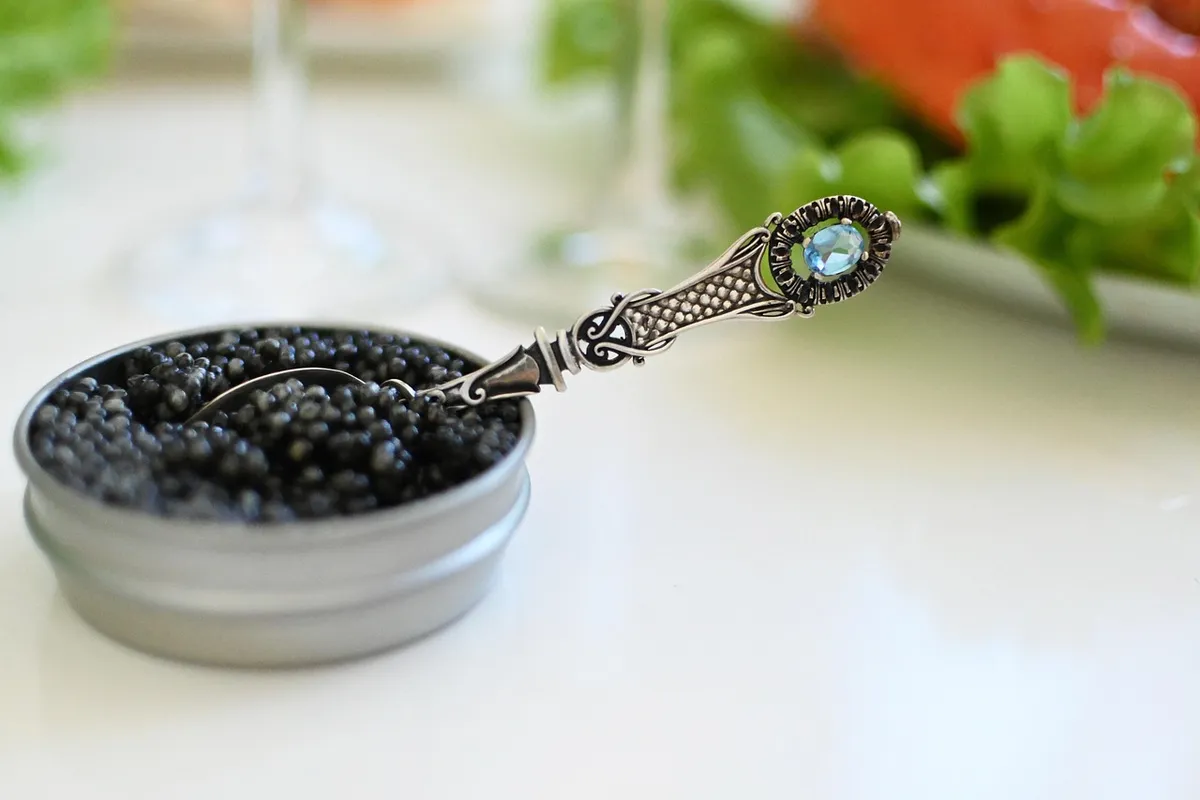
Calculating the cat caviar feeding amount by weight requires understanding the strict balance between caloric density and daily energy requirements. This guide focuses on managing treat portions to ensure that specialty foods do not displace essential nutrition.
You will learn how to monitor calorie limits, manage weight-based needs, and recognize the limitations of using treats as primary nutrition.
How to manage cat caviar feeding amount by weight?
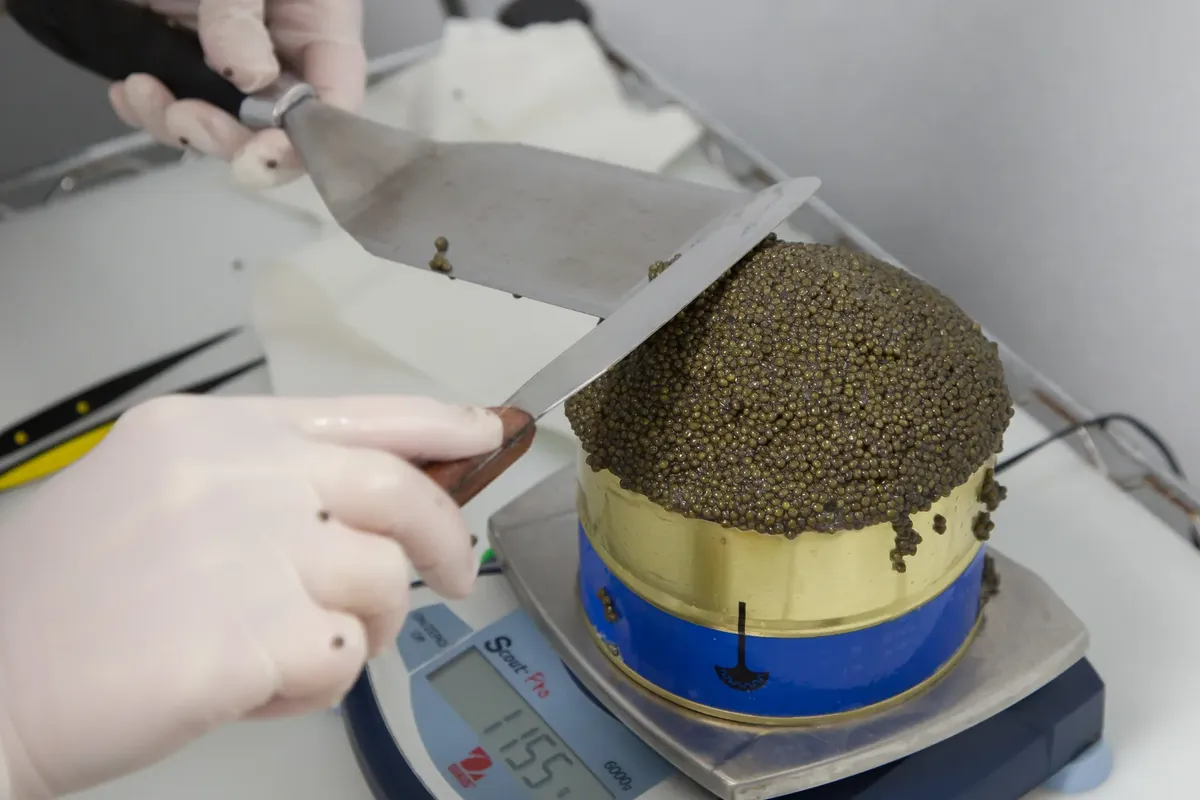
In the dim kitchen at midnight, I carefully weigh the tiny portions of cat caviar on a silver scale to feel the weight of responsibility.
A person stands in a kitchen holding a small silver spoon and a tin of luxury treats. The goal is to ensure the pet remains healthy while enjoying these high-value morsels.
Managing the cat caviar feeding amount by weight is primarily a matter of caloric math. Since treats are calorie-dense, they must be factored into the total daily energy budget to prevent obesity.
A 2004 survey in the US and Australia found 26% of cats received treats on a daily basis. This high frequency of treat-giving can easily lead to overfeeding if owners do not adjust the main meal portions accordingly.
When using a weight-based cat caviar dose, you must first determine the cat's resting energy requirement. For an average cat weighing 10–11 pounds (about 5 kg), it would have a resting energy requirement of 180–200 kcal/day.
Using these numbers, the owner can subtract the calories provided by the treat from the total daily requirement. This ensures the pet receives exactly what it needs without excess.
- Determine your cat's current body weight.
- Calculate the percentage of caloric intake allowed for treats.
- Portion the caviar based on that specific percentage.
What is the proper cat caviar serving size guide?
A hand carefully measures a small portion of wet food into a ceramic bowl. The scale on the counter shows the weight of the portion to ensure precision.
A cat caviar serving size guide relies heavily on the 10% rule for supplemental feeding. This rule serves as a safeguard for feline metabolic health.
According to nutritional standards, not more than 10% of a cat's calorie intake should come from treats. If a treat is very rich, the portion size must be significantly smaller to stay within this limit.
| Category | Caloric Limit | Purpose |
|---|---|---|
| Treats | 10% of daily intake | Supplemental enrichment |
| Main Meals | 90% of daily intake | Essential nutrition |
I once measured out a tiny portion of a rich wet food to ensure it didn't exceed the ten percent threshold. It is vital to treat these high-fat items as strictly supplemental.
In this sequence, the second step is the most detailed.
How to handle calculating cat caviar intake?
At midnight, I sit at the desk and scribble notes while staring at the golden caviar, feeling the weight of the math.
A cat waits patiently by the counter as a hand prepares a small, measured snack. The atmosphere is quiet, focused on the precise movement of the spoon.
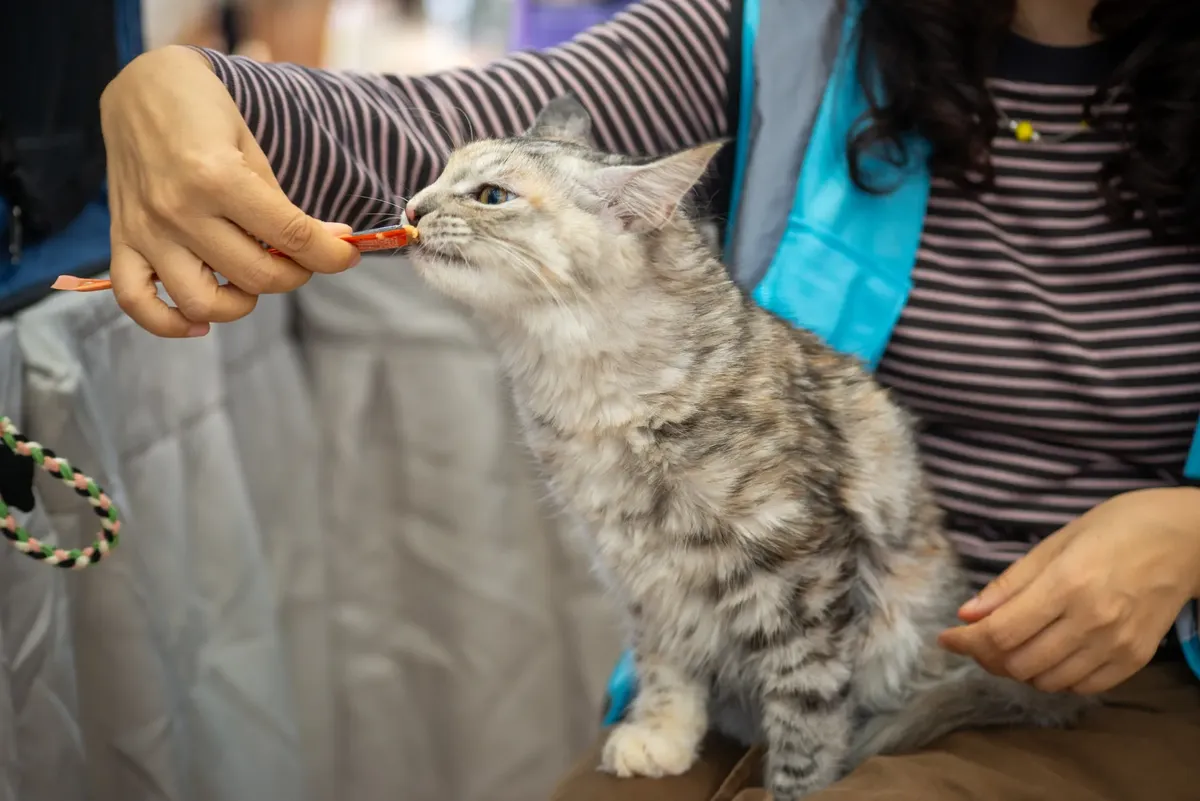
Calculating cat caviar intake involves assessing the moisture and fat content of the treat compared to the main diet. Most wet foods contain 75–78% moisture, which affects how many calories are packed into a specific weight.
If the treat is part of a high energy diet, which generally has a fat content greater than 20% on a dry matter basis, the portion must be even more strictly controlled. This prevents the pet from gaining unnecessary weight.
- Calculate the total daily calorie needs based on the cat's current weight and activity level. 2. Determine the caloric value of the specific treat being offered. 3. Subtract the treat's calories from the daily total to find the remaining amount for main meals. 4. Verify that the treat portion does not exceed 10% of the total daily calories.
One must always check the label to ensure the treats do not replace the essential nutrients found in complete and balanced foods.
What are the risks of improper feeding?
An owner looks at a scale, feeling concerned about the pet's weight. The pet sits nearby, looking healthy but perhaps gaining weight too quickly.
Improperly managing the cat caviar feeding amount by weight can lead to health complications. Overfeeding via treats can mask the nutritional needs of the animal.
If a cat is pregnant, nutritional needs shift dramatically, as a cat should gain 38% of their body weight by the time they are ready to give birth. In such cases, calorie management becomes even more critical to support both the mother and the kittens.
These standards ensure that the primary diet meets all necessary nutrient profiles or passes specific feeding trials.
The same subject is also called Weight based cat caviar dose.
The same subject is also called How much caviar for cat weight.
This part also covers Veterinary guidelines cat caviar.
This part also covers Cat nutrition caviar dosage.
This part also covers Comparing cat food caviar needs.
Veterinary guidelines cat caviar
Related
- Cat feeding amount by breed: Guide to proper intake
- Dry vs wet food comparison: Guide to moisture content
When should calorie monitoring become more stringent?
Calorie monitoring becomes more stringent when the cat's health status changes, such as during pregnancy. A pregnant cat requires specific nutritional support, necessitating careful attention to her total daily calorie intake.
The shift in nutritional requirements means that the standard 10% treat limit must be applied with extra diligence to support fetal development.
If the cat is experiencing weight gain too rapidly, the owner must immediately review the treat frequency and portion size. Rapid weight gain suggests that the current caloric input exceeds the cat's necessary daily energy requirements.
This requires a direct comparison between the treat calories and the established daily total.
Treats should always be viewed as an addition to, not a substitute for, the primary food source. This caution applies regardless of the cat's current body condition or life stage.
How does treat composition affect calorie calculation?
The fat content of the treat significantly influences how the treat's calories contribute to the cat's overall intake. Treats with a higher fat content pack more calories into a smaller weight, demanding a smaller portion size to adhere to the 10% rule.
Wet foods, which typically have high moisture content, require consideration when calculating the true caloric density of the portion. The moisture level affects the weight measurement versus the actual energy delivered to the cat.
Owners must always check the product label to understand the specific nutritional profile of the treat being offered. This label information is crucial for accurately determining the treat's caloric value against the cat's total daily calorie needs.
Wikipedia: Cat food (full) Based on the retained excerpt mentioning Association of American Feed Control Officials: In the United States, cat food using the label "complete and balanced" is required to meet standards that have been established by the Association of American Feed Control Officials (AAFCO) by either meeting a nutrient profile or passing a feeding trial.



Comments 0