Raw food toast recipe guide: 60% imbalance risk
"The primary challenge of raw feeding is not just the selection of ingredients, but the precise management of micronutrient ratios to prevent long-term deficiency."
This raw food toast recipe guide helps pet owners select safe ingredients and understand the inherent nutritional risks of homemade diets. You should focus on balancing essential minerals and vitamins while avoiding common imbalances found in unmonitored recipes.
This guide covers ingredient selection, nutritional risks, and safety steps, though it cannot account for individual pet metabolic variations.
How to choose toast items for a raw diet?
In the bright kitchen, I carefully spread creamy avocado over the grain-free food to feel its cool texture.
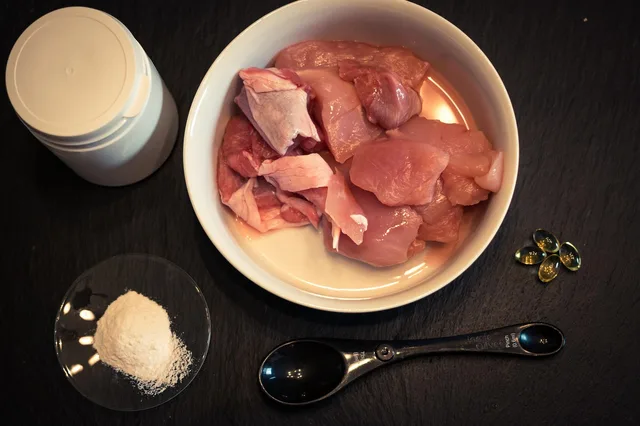
A person stands in a bright kitchen, carefully spreading mashed avocado over a slice of dehydrated grain-free bread. They reach for a container of high-quality, unseasoned protein to top the toast, ensuring no salt or garlic touches the surface.
Selecting the right components for a raw food toast recipe guide involves prioritizing single-ingredient proteins and unprocessed fats.
To build a safe snack, you must choose ingredients that align with a raw feeding philosophy. This means using fresh, high-quality meats or fish that have not been treated with preservatives or heavy seasonings.
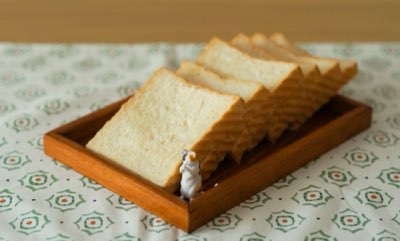
When adding "toast" elements, many owners use dehydrated vegetable slices or grain-free, baked alternatives to mimic the texture without the digestive issues caused by heavy wheat.
A safe toast ingredients guide suggests checking every component for hidden additives. For example, avoid any spreads containing onion, garlic, or excessive sodium, which are toxic or harmful to pets. Instead, use plain Greek yogurt or mashed pumpkin as a base.
I found that using a simple, single-protein topping makes it much easier to track exactly what my pet is consuming during mealtime.
Look for sprouted grain breads that have undergone minimal heat processing to preserve enzyme activity.
A raw food toast recipe guide: Is it actually dangerous?
A pet owner sits at a wooden dining table, staring at a bowl of homemade mixture, feeling a sudden sense of doubt about the nutritional math. They realize that simply mixing meat and vegetables does not guarantee a complete meal.
Understanding the raw diet toast risks is essential for anyone moving away from commercial kibble.
The most significant danger lies in hidden nutritional deficiencies that do not show symptoms immediately.
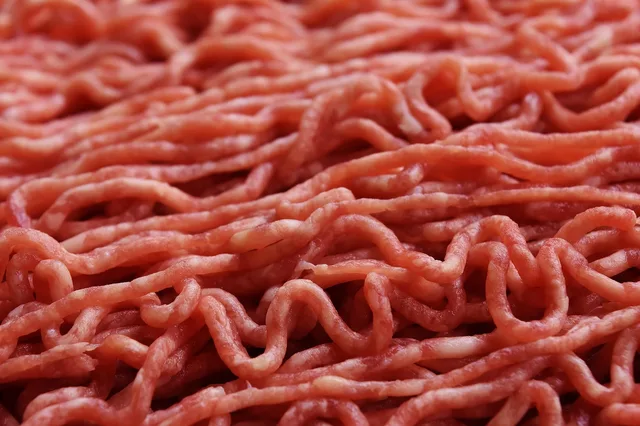
According to a study that analyzed 95 homemade BARF diets, 60% of these diets had an imbalance in either one, or a combination of calcium, phosphorus, vitamin D, iodine, zinc, copper, and vitamin A.
This means that even if a meal looks appetizing and fresh, it may lack the microscopic building blocks required for bone and organ health.
These imbalances can lead to serious long-term health issues if the diet is not strictly monitored. Because homemade meals often lack the precision of commercial formulations, the risk of mineral or vitamin gaps is high.
A homemade snack safety tips approach requires constant vigilance regarding these specific elements to ensure the pet remains healthy over several years.
The primary concerns involve potential bacterial contamination from unpasteurized ingredients or improper storage of moist toppings.
How can I make safe raw snacks?
A hand reaches into a pantry to pull out a bag of dried sweet potato slices, placing them on a clean granite countertop. The sunlight hits the kitchen floor as the preparation begins, focusing on assembly rather than complex cooking.
Following a raw feeding toast guide requires a methodical approach to assembly.
- Select a base that is easily digestible, such as a dehydrated vegetable slice or a grain-free cracker. 2. Apply a nutrient-dense, unseasoned topper, such as a small amount of pureed organ meat or a plain dairy product. 3. Add a final layer of healthy fats, like a drop of salmon oil, to enhance palatability and coat the ingredients.
After assembling the snack, perform a final check by verifying that no seasonings, oils, or spices were accidentally included in the mix. I always double-check the labels of my toppers to ensure no "natural flavors" include prohibited additives.
This process ensures the snack remains a treat rather than a source of digestive distress.
- Select fresh, organic produce for toppings.
- Use nut butters that are minimally processed.
- Assemble the toast immediately before eating to prevent sogginess and spoilage.
Comparing nutritional stability
A researcher sits in a quiet office, comparing two different feeding methods on a digital screen. They look at the consistency of nutrient delivery between processed and raw options.
According to The Association of American Feed Control Officials, The Association of American Feed Control Officials (AAFCO) provides standards that guides many commercial pet food companies.
When looking for a raw feeding toast recipe guide, it is helpful to see how different approaches compare in terms of stability.
| Feature | Commercial Standards | Homemade BARF Diets |
|---|---|---|
| Nutrient Control | High precision via standards | High risk of imbalance |
| Imbalance Rate | Minimal | 60% in studied samples |
The Association of American Feed Control Officials (AAFCO) provides standards that guides many commercial pet food companies. This institutional oversight helps ensure that commercial products meet specific nutritional requirements.
In contrast, homemade diets require much more manual calculation to avoid the imbalances mentioned in the study.
Raw ingredients maintain higher levels of heat-sensitive vitamins compared to heavily baked alternatives.
Avoiding raw food risks during preparation
A person washes their hands thoroughly at a stainless steel sink, scrubbing between each finger before touching any fresh meat. They move to a separate cutting board used exclusively for raw ingredients to prevent cross-contamination.
Avoiding raw food risks is as much about hygiene as it is about nutrition.
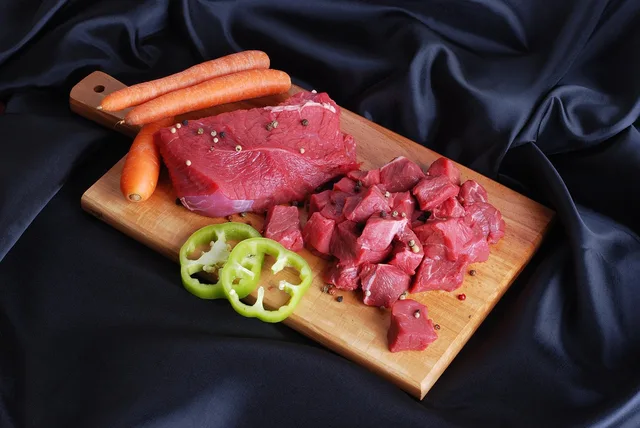
To maintain a safe environment, you must treat raw ingredients with the same caution you would use when following safe raw snack recipes. This includes using dedicated utensils for raw meat and cleaning all surfaces with food-safe sanitizers immediately after use.
Proper storage in airtight containers within the refrigerator also helps prevent bacterial growth.
A raw feeding toast guide must emphasize that even the most nutritious ingredient can become a hazard if handled poorly. While the goal is to provide fresh, whole foods, the presence of bacteria in raw proteins is a reality that requires strict kitchen protocols.
This level of care is the only way to mitigate the dangers of pathogens.
Wash all fruits and vegetables thoroughly and use clean surfaces to prevent cross-contamination.
While fresh ingredients offer high palatability, the risk of micronutrient imbalance in homemade diets remains a significant concern for pet owners.

Comments 0