Dog Caviar Recipes: Elite Nutrition for Peak Canine Vitality
"Caviar" in the world of canine nutrition isn't about salty fish eggs; it is the gold standard of small-batch, nutrient-dense, whole-food meals designed to provide peak vitality.
To create a truly elite diet for your dog, you must prioritize ingredient bioavailability, master the balance of macronutrients, and strictly avoid toxic additives. This guide will teach you how to select the right building blocks to create a "caviar-grade" meal that supports long-term health.
* Safety First: Never include ingredients like xylitol, onions, grapes, or excessive salt. * Nutrient Density: Focus on high-quality proteins and essential fats rather than just filling the bowl with calories. * Balanced Ratios: Success lies in the precise interplay between muscle meat, organs, fats, and fiber. * Professional Oversight: Always consult your veterinarian before transitioning your dog to a homemade or whole-food diet.
Deconstructing the "Caviar" Concept: Why Ingredient Selection Matters More Than Exoticism
As the sun dipped below the horizon on a Tuesday evening, I gripped a cold slab of salmon and gazed at the empty ceramic bowl.
I remember standing in my kitchen last Tuesday at 6:30 PM, looking at a pile of fresh beef liver and organic salmon, wondering if my dog would actually care about the "premium" quality I was striving for. My dog, a senior Lab, just stared at the bowl, waiting for the routine.
It hit me then: "caviar" isn't about being fancy; it's about the biological value of what we put in the bowl.
In the context of high-end canine nutrition, "caviar" refers to a highly curated, small-batch diet where every single ingredient serves a specific physiological purpose. It is moving away from the "novelty" of expensive treats and moving toward maximum bioavailability.
Bioavailability refers to how much of a nutrient your dog actually absorbs and uses versus how much is simply wasted.
When selecting ingredients, there is a massive difference between human-grade quality and canine suitability. Just because a steak is "human-grade" doesn't mean it provides the complete nutritional profile a dog needs.
A true elite diet must account for organ meats (which provide vitamins), muscle meat (for protein), and specific fats.
You must also be hyper-aware of the "danger zones." Even in a premium recipe, certain ingredients are strictly forbidden. Xylitol (a sweetener), onions, garlic, grapes, and raisins can be lethal.
Even "healthy" human foods can cause acute issues if they aren't appropriate for a dog's digestive system.
Finally, we must distinguish between nutrient density and calorie density. A meal can be packed with calories but be "empty" in terms of vitamins and minerals. A "caviar" recipe aims for high nutrient density, ensuring your dog gets the vitamins and minerals they need without excessive weight gain.
But how do we actually combine these elements without causing a nutritional disaster?
How can I pair ingredients to create a biological profile? I once tried to make a "superfood" bowl using only expensive salmon and blueberries, only to realize my dog was getting massive amounts of fat but almost no structural support for his joints or muscles. It was a lesson in the necessity of pairing.
The foundation of any elite recipe is the protein source. High-quality muscle meats like beef, turkey, or venison provide the amino acids necessary for muscle maintenance. However, muscle meat alone is often incomplete. To create a balanced profile, you must pair muscle meat with organ meats.
Organs like liver or kidney are nature's multivitamins, providing essential vitamins like A and B-complex that muscle meat lacks.
Fat is the second pillar. Healthy fats, particularly Omega-3 fatty acids found in fish oils or specific fish meats, are vital for skin, coat, and cognitive health. However, fat must be managed carefully. Too much fat can lead to pancreatitis, especially in sensitive breeds.
Using clean sources like salmon or sardines is an excellent way to incorporate these essential fatty acids.
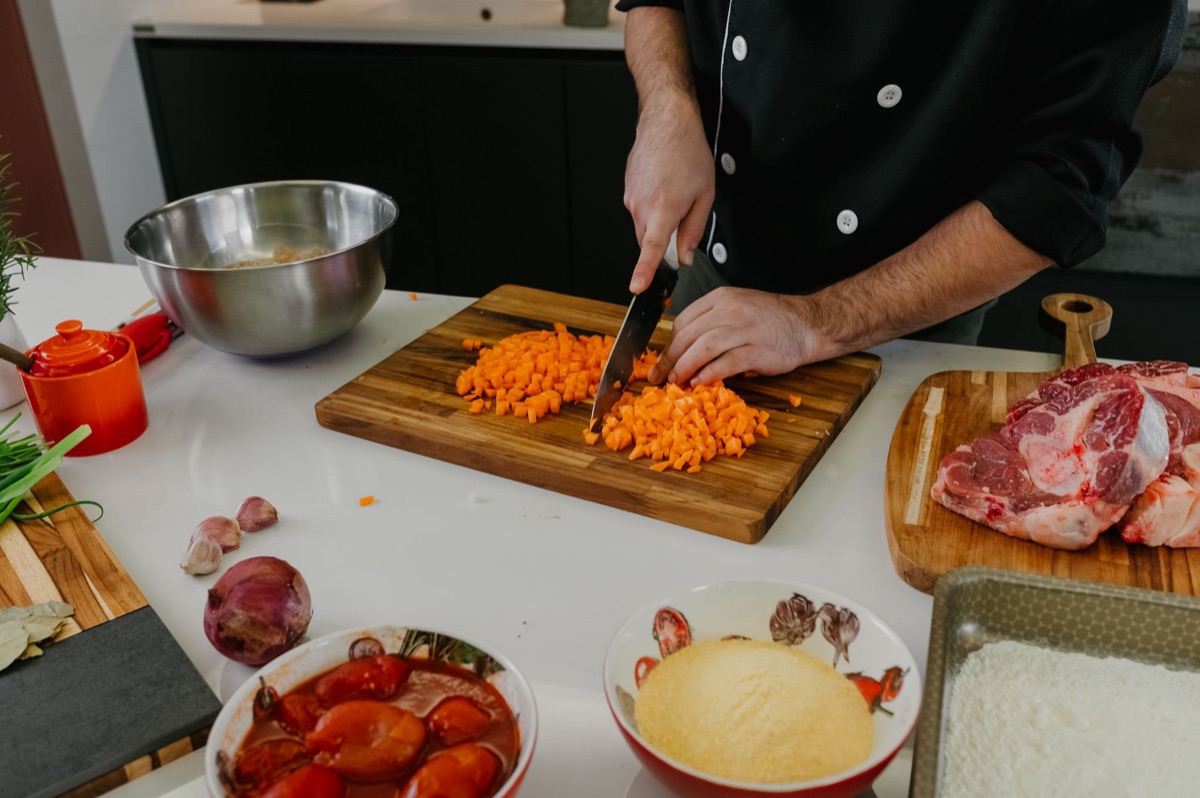
For carbohydrates and fiber, the goal is to provide vitamins and digestive support without using "fillers." Traditional fillers like corn or wheat are often avoided in premium diets. Instead, we look to low-glycemic vegetables like steamed broccoli, carrots, or zucchini.
These provide much-needed fiber to ensure healthy digestion and help regulate the transit of food through the gut.
Lastly, consider micronutrient-density. While muscle and organs are heavy hitters, the inclusion of specific minerals is vital. If you are not feeding raw bones, you must ensure your recipe accounts for calcium and phosphorus ratios to prevent skeletal issues.
The chemistry of the bowl is complex, but the math must be perfect.
How do I achieve nutritional balance instead of just flavor? Sitting at the kitchen table with my notebook on a rainy Thursday afternoon, I realized that a dog's appetite is often driven by scent and texture, but their health is driven by the invisible math of micronutrients. If the math is wrong, the "tasty" meal becomes a health hazard.
Achieving nutritional equilibrium means moving beyond palatability. A dog might love a recipe, but if it lacks trace elements or has an improper calcium-to-phosphorus ratio, long-term health will suffer. Your goal is to hit specific macronutrient targets.
While these vary by age and activity level, a general rule is to ensure protein is the primary driver, followed by controlled fats and moderate carbohydrates.
Hydration and texture are also critical components of equilibrium. Unlike dry kibble, which typically contains only 3% to 11% water, a fresh "caviar" recipe will have much higher moisture content.
This higher moisture (often 60% to 80% in wet preparations) is beneficial for hydration and kidney health, but it changes how much the dog actually consumes. You must adjust portion sizes because a wet meal is much less calorie-dense by volume than dry food.
Trace element balance is the silent killer of homemade diets. Without careful planning, you might accidentally cause toxicity (by over-supplementing) or deficiency (by under-supplementing). This is why "just adding a little extra" of a certain vitamin can be dangerous.
Whenever you transition from a commercial diet to a highly customized, whole-food recipe, you must use a slow, monitored approach. Sudden changes in diet can lead to severe gastrointestinal upset.
Always transition over 7 to 10 days, mixing the new "caviar" recipe with the old food in increasing increments.
| Nutrient Category | Primary Function | Key "Caviar" Sources |
|---|---|---|
| High-Quality Protein | Muscle repair & growth | Beef, Turkey, Venison, Egg |
| Essential Fats | Brain & Skin health | Salmon, Sardines, Fish Oil |
| Organ Meats | Vitamin & Mineral powerhouse | Liver, Heart, Kidney |
| Fiber/Vegetables | Digestion & Gut health | Carrots, Broccoli, Pumpkin |
| Calcium/Minerals | Bone & Dental health | Eggshells (powdered), Bone meal |
But how do you actually manage the transition from the grocery store to the dog bowl?
Preparation Protocols: From Raw Material to Palatable Meal
I remember the first time I tried to grind a massive batch of meat for my dog's weekly meals. My kitchen looked like a crime scene, and my dog was more interested in the floor-scraps than the gourmet meal I had spent two hours preparing.
I learned quickly that preparation is as important as the ingredients themselves.
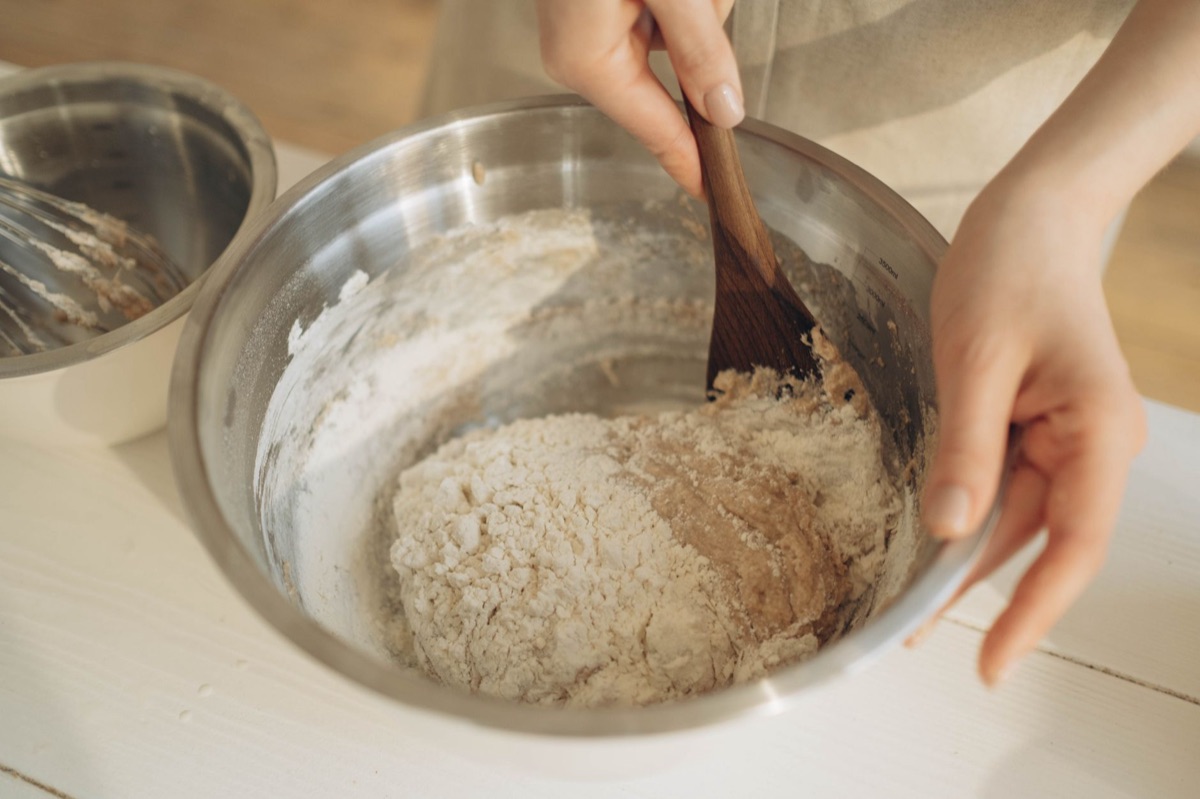
The method of preparation affects both nutrient integrity and palatability. Grinding or finely chopping ingredients ensures that the dog consumes a consistent ratio of nutrients in every bite.
Cooking methods should be chosen carefully; while some prefer raw diets, others prefer gentle cooking (like steaming or light sautéing) to kill pathogens while preserving vitamins.
Preservation and shelf life are the biggest challenges with fresh, small-batch meals. Unlike dry food, which is shelf-stable, "caviar" recipes are highly perishable. You must maintain strict temperature control.
If you are preparing fresh meals, they should be stored in the refrigerator and consumed within 3-4 days, or frozen immediately in single-serving portions.
Batch sizing is the final piece of the puzzle. A recipe that works for a 70-pound Golden Retriever will be dangerous for a 10-pound Toy Poodle. You must scale your recipes based on the dog's current body weight, age, and activity level.
A highly active dog will require a higher fat-to-protein ratio than a sedentary senior dog.
To ensure success, follow these steps for every new recipe:
- Calculate the caloric needs of your dog based on their current weight and activity level.
- Select a base protein (muscle meat) and a secondary protein (organ meat) in a balanced ratio.
- Incorporate healthy fats and fiber-rich vegetables.
- Prepare the batch using safe, hygienic methods (grinding or gentle cooking).
- Portion and store the food in airtight containers in the refrigerator or freezer.
- Monitor the dog's weight and stool quality daily during the transition.
The transition is only the beginning; the real work is in the daily management.





Comments 0