Raw feeding guide: DIY food recipe guide for health
"The nutritional balance of raw feeding is a complex subject that requires precise ingredient ratios to ensure long-term health."
To create a successful raw feeding recipe, you must use a DIY food recipe guide to balance protein, fat, and bone content while calculating daily caloric needs based on your pet's specific weight and activity level. This guide provides a rep for owners looking to manage ingredient lists and safe feeding amount math.
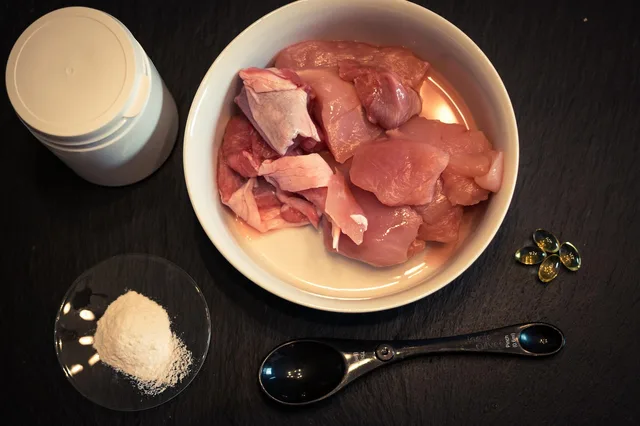
You should focus on high-quality muscle meat, organ meats, and calcium sources, though you must remain aware that nutritional imbalances can occur if ratios are not meticulously monitored.
* Prioritize muscle meat as the primary base. * Include essential organ meats for micronutrients. * Balance calcium and phosphorus through bone or supplements. * Calculate daily intake using specific caloric formulas.
What do I need to include in a raw feeding recipe?
At dusk in the dim kitchen, I feel the icy chill of the organ meat against my palms while preparing the feeding components.
I stand in my kitchen, carefully weighing a piece of lean beef on a digital scale. The cold surface of the meat meets the metal tray, and I begin organizing the different components needed for a balanced meal.
A proper DIY food recipe guide requires more than just meat; it necessitates a structured approach to various biological components.
A standard raw diet typically requires a combination of muscle meat, organ meat, and bone or calcium sources. Muscle meat provides the bulk of the protein, while organs like liver or kidney supply vital vitamins and minerals.
According to the British Small Animal Veterinary Association Congress in 2016, the health implications and nutritional balance of raw feeding were a subject of significant discussion.
This highlights the importance of ensuring that the pet food ingredient list includes enough variety to prevent deficiencies.
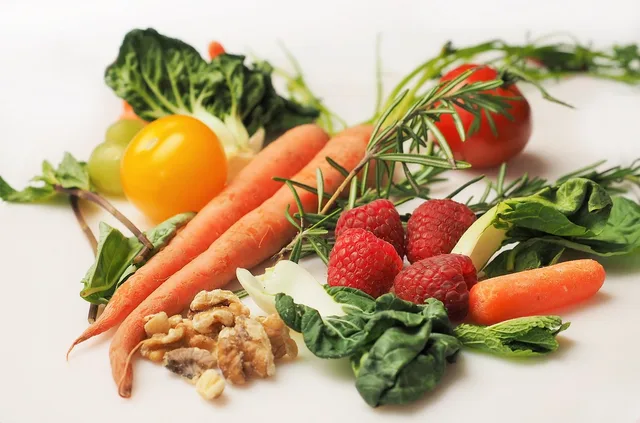
- Select a high-quality muscle meat base.
- Incorporate organ meats for essential vitamins.
- Add bone meal or ground bone for calcium.
A DIY food recipe guide for safe feeding math
Late at night in the quiet study, I squint at the glowing screen and tap my pen against the desk while calculating the feeding amount.
The scale sits on the counter as I input the current weight of my dog into a calculation tool. I watch the numbers change, ensuring the target caloric intake matches the physical requirements of a growing animal.
Calculating daily intake safely is the most critical step in preventing obesity or malnutrition.
To determine the correct portion, you must first establish the Resting Energy Requirement (RER) and then adjust it based on the animal's life stage. The following steps outline the process:
- Calculate the RER using the formula: 70 × (body weight in kg)^0.75. 2. Apply a multiplier based on activity level (e.g., 1.6 for neutered adults, 2.0 for active dogs). 3. Divide the total daily calories by the caloric density of your specific recipe.
After completing these steps, perform a final check by monitoring the pet's body condition score over two weeks. I personally find that adjusting the amount based on visible changes in the waistline is more effective than relying solely on math.

In this sequence, the second step is the longest.
Can I use homemade treats for daily nutrition?
I reach for a small container of dried liver bits, intended for training rather than a main meal. The texture is firm, and the scent is strong, marking a clear distinction between a snack and a structured diet.
Using a homemade treat recipe for primary nutrition is not recommended because treats lack the balanced ratio of calcium and phosphorus found in a complete meal.
While treats are excellent for engagement, they should only constitute a small fraction of the total daily intake. A dietary needs calculation must account for the calories provided by these extras to avoid overfeeding.
If you are focusing on a recipe ingredient ratios guide, ensure the main meal remains the foundation of the diet.
Comparing Raw Recipe Components
When building a meal, it is helpful to see how different components contribute to the overall structure. The following table compares the primary roles of the main ingredients used in a standard raw preparation.
| Ingredient Type | Primary Nutritional Role | Essential Function |
|---|---|---|
| Muscle Meat | Protein and Fat | Structural growth and energy |
| Organ Meat | Vitamins and Minerals | Metabolic regulation |
| Bone/Calcium | Calcium and Phosphorus | Skeletal integrity |
What are the limitations of raw feeding?

The stainless steel bowls are washed thoroughly in the sink after the meal is served. I wipe down the counters to ensure no residue remains, mindful of the hygiene required when handling raw products. While raw feeding offers many benefits, it is not a universal solution for every pet.
One significant limitation is the difficulty in achieving perfect nutritional equilibrium without professional guidance or specialized supplements. If the ratio of calcium to phosphorus is incorrect, it can lead to skeletal issues.
Furthermore, the risk of bacterial contamination is a concrete condition that requires strict handling protocols.
How does ingredient selection affect nutritional balance?
- The selection of muscle meat dictates the primary source of protein and fat for the diet. 2. The inclusion of organ meats ensures the necessary intake of specific vitamins and minerals for metabolic regulation. 3. The balance between calcium and phosphorus, derived from bone or supplements, is crucial for skeletal integrity.
If the ingredient selection deviates from the intended ratios, the overall nutritional balance of the diet can suffer, necessitating careful monitoring. The quality of the muscle meat itself plays a role in the overall fat content, which contributes to the energy calculation.
What precautions must be taken regarding raw ingredients?
The handling of raw products demands rigorous hygiene protocols to mitigate the condition of bacterial contamination. When preparing the meal, one must maintain awareness of these safety procedures. Adherence to these cautions prevents potential health risks associated with raw consumption.
A careful assessment of the ingredient list is required to confirm that the intended nutritional balance is achievable. Owners must recognize that even with high-quality components, an imbalance can manifest if the ratios are not meticulously managed throughout the feeding cycle.
This monitoring is key to long-term pet health.
The calculation of the daily intake must account for the caloric density of the specific recipe being used. This step ensures that the total food provided matches the animal's calculated energy needs, thereby maintaining the nutritional balance.
If the math is flawed, the pet may become malnourished or obese.






Comments 0