Rabbit reptile feeding guide: Rex rabbit 3.4–4.8 kg how tips
"The ideal weight for a Rex rabbit sits between 3.4 and 4.8 kg, but managing such specific biological needs requires precision."
This guide explores how to manage weight-based pet feeding for different species requirements. It covers the characteristic weight ranges of specific breeds and the timing considerations for growth, while addressing the limitations of managing animals with very different metabolic rates.
How much should a Rex rabbit weigh? At dawn in the quiet barn, I lift the heavy Rex rabbit to feel its solid weight against my palms.
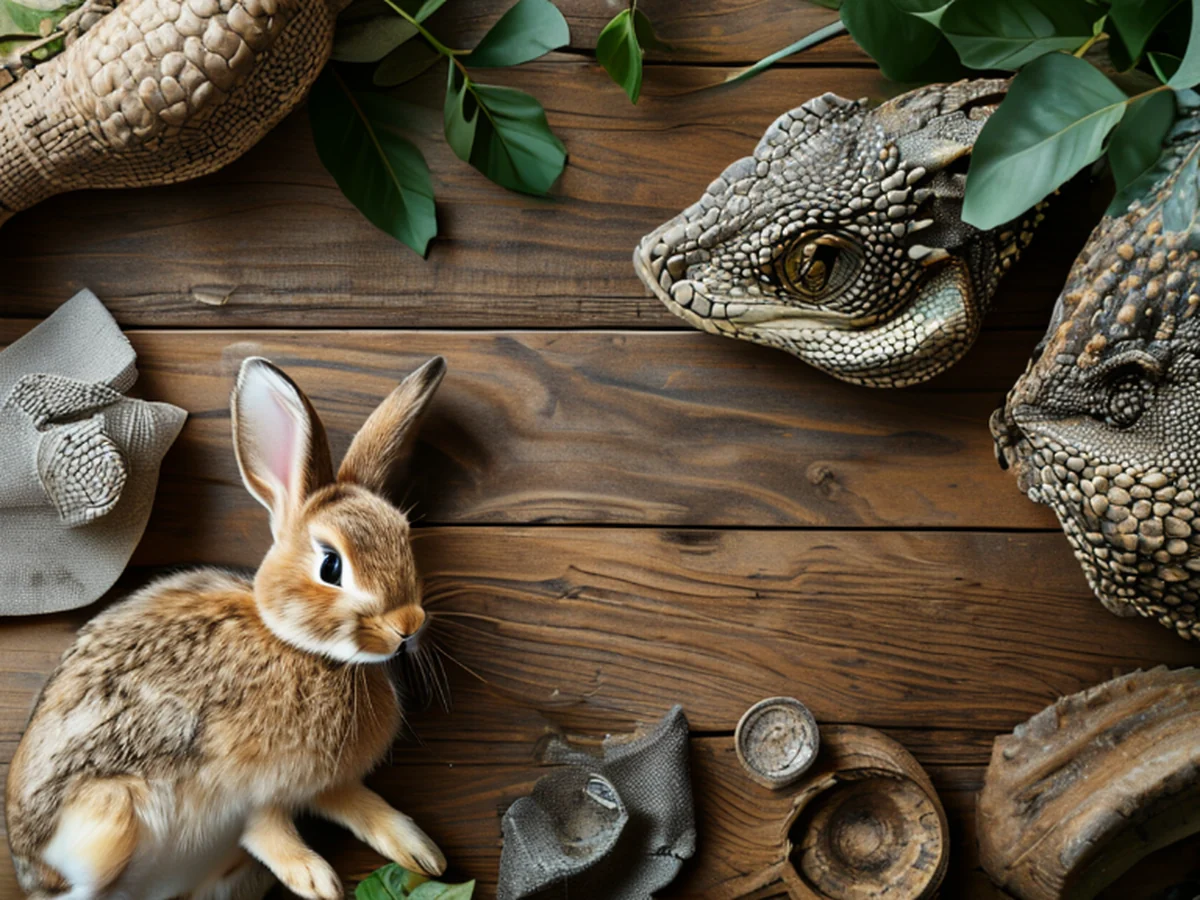
A caretaker stands over a wooden cage, checking the scale to ensure a medium-sized rabbit meets its breed standards. The rabbit's round body reflects its healthy status within the expected parameters.
According to the American Rabbit Breeders Association (ARBA), the Rex rabbit is a medium-sized breed characterized by a commercial, round body. The ideal weight range for this specific breed is 3.4–4.8 kg (7.5–10.5 lb). Maintaining this weight is essential for breed integrity.
A species specific diet plan must account for these biological targets to ensure the animal remains within healthy limits. Proper management prevents the animal from becoming too heavy or too light for its breed type.
I find that the second point in this overview is the most detailed.
When is it time to harvest? Rabbit reptile feeding guide A farmer examines a young rabbit, noting the soft texture of its coat compared to an older adult. The difference in physical maturity is clear when looking at the animal's developmental stage.
In certain production contexts, meat production favors the harvest of young animals between 70 and 84 days. However, this timeframe is not sufficient for the rabbit to grow high quality adult fur. This creates a trade-off between production timing and coat quality.
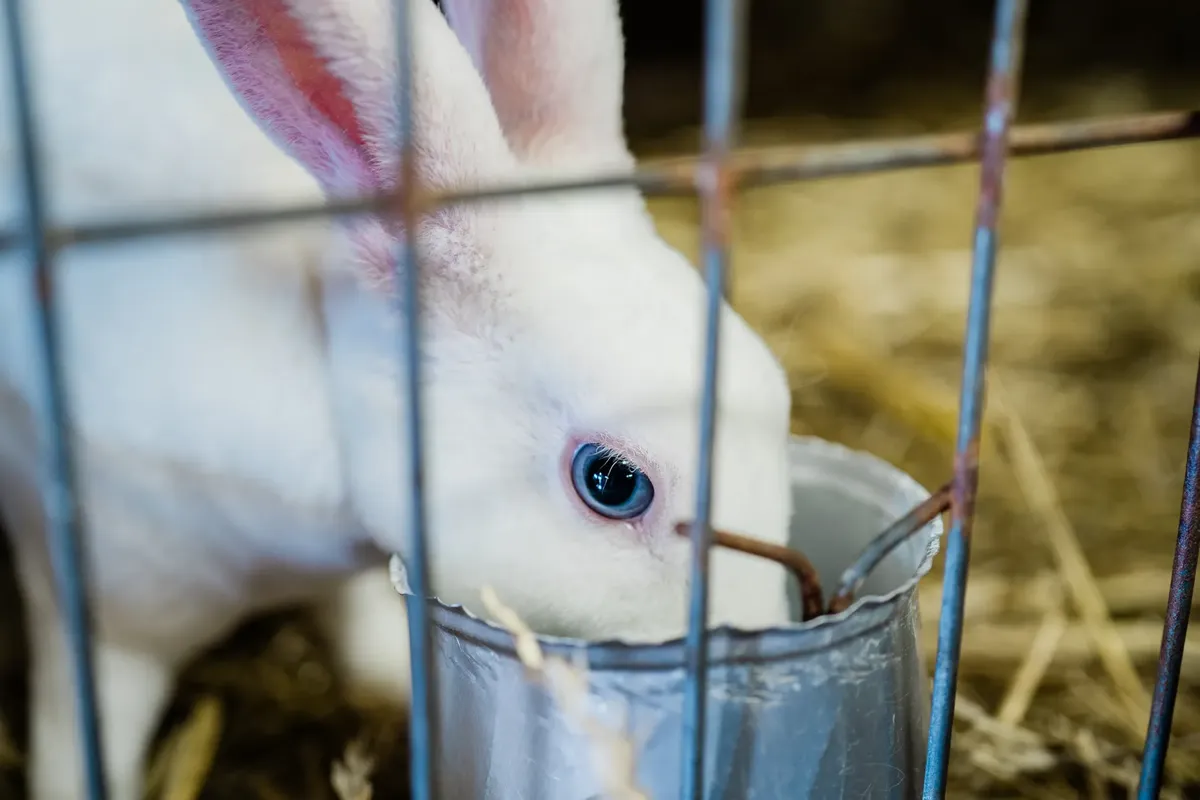
A proper reptile diet calculation or similar nutritional management for mammals requires understanding these developmental windows. For those interested in the fur, the coat is best after 6 months and during the coldest part of the year.
- Monitor daily weight changes to track development.
- Identify the optimal age for physiological maturity.
- Adjust environmental factors to support steady growth.
How to calculate pet food for specific breeds
A person carefully measures out pellets into a ceramic bowl, matching the portion to the animal's current weight. Precise measurement is the key to preventing obesity in medium-sized breeds.
When managing a rabbit's diet, you must first identify the target weight range of the breed. For a Rex rabbit, this is 3.4–4.8 kg (7.5–10.5 lb). You must then adjust daily intake to maintain this specific range.
- Identify the breed's ideal weight range to establish a baseline. 2. Monitor the current weight of the animal regularly using a reliable scale. 3. Adjust the daily portion of food to reach and maintain the target weight.
I once had to adjust a rabbit's feeding schedule because it was approaching the upper limit of its weight range. This required a careful balance of fiber and caloric intake to maintain that round, commercial body shape.
I find that the second point in this overview is the most detailed.
Veterinary weight management for different species
A veterinarian uses a digital scale to weigh a small animal, noting the exact grams to ensure accuracy. Small differences in weight can indicate significant health shifts in smaller species.
Animal nutrition guidelines often differ wildly between species. While a Rex rabbit requires a specific range for its body type, other animals require much different caloric densities. This makes a universal feeding rule impossible.
| Subject | Weight Range |
|---|---|
| Rex Rabbit | 3.4–4.8 kg (7.5–10.5 lb) |
| Small Monkey (Baker) | 310 g (11 oz) |
Effective veterinary weight management involves recognizing these vast differences. A single feeding error for a small animal can be much more impactful than for a larger one.
I find that the second point in this overview is the most detailed.
Rabbit feeding amount guide and growth limitations
A researcher looks at data logs, noting how growth rates change over time. The data shows that age and purpose significantly dictate the physical outcome of the animal.
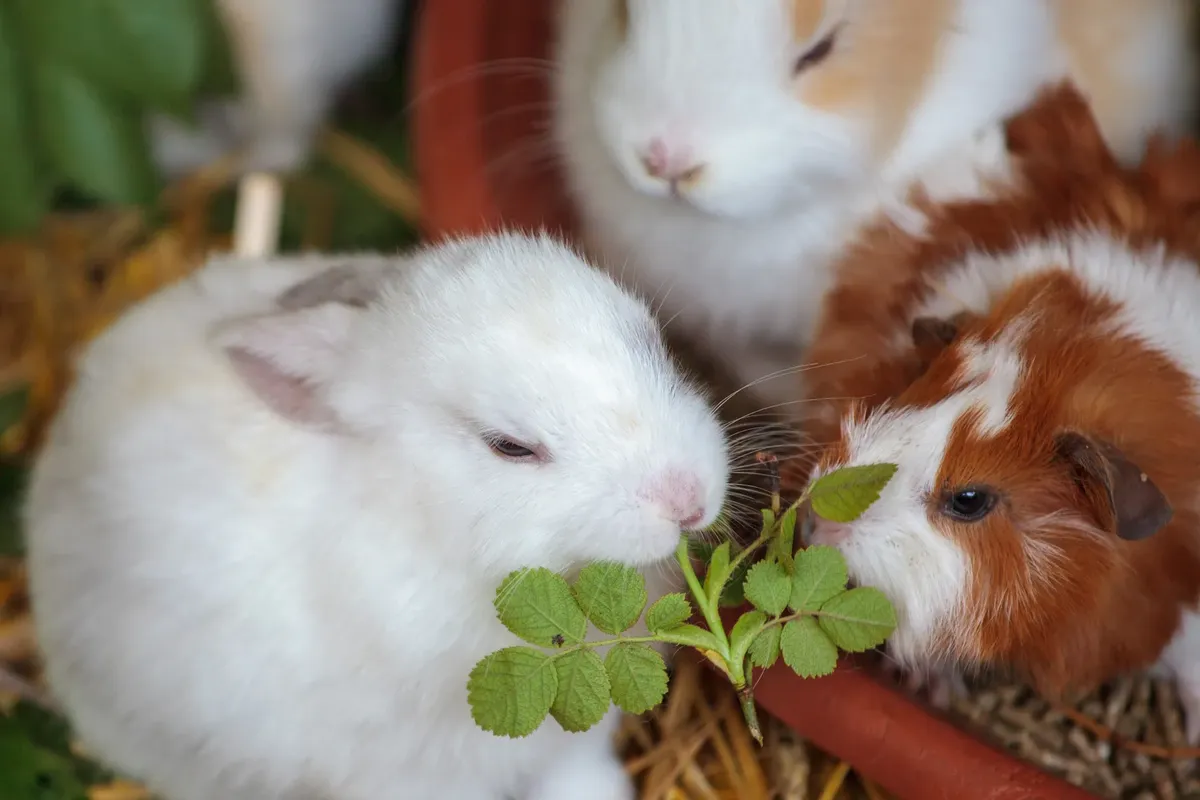
Developing a rabbit feeding amount guide requires looking at the intended use of the animal. If the goal is meat, the 70–84 day window is common, but this limits fur quality. If the goal is the coat, the animal needs more time to mature.
A limitation of these calculations is that they are based on breed standards and specific age windows, which may not apply to animals with underlying health conditions or different environmental stressors.
I find that the second point in this overview is the most detailed.
The subject here is Rabbit reptile feeding guide.
The same subject is also called Weight based pet feeding.
Related
- Beet pulp in cat food: Guide to digestive health tips
- Cat feeding amount by breed: Guide to proper intake
Why does the weight range matter?
The weight range matters because it ensures the animal meets the specific breed standards for a commercial, round body. Maintaining the 3.4–4.8 kg range is essential for breed integrity. If the animal falls outside this ideal weight, it may not meet the physical requirements of the breed.
Failure to monitor weight can lead to the animal becoming too heavy or too light for its type. This is why regular scale checks are necessary to maintain the target weight. Proper management prevents the animal from deviating from the intended biological targets.
I find that the second point in this overview is the most detailed.
Comparing growth windows and coat quality
Comparing the 70–84 day harvest window to the 6-month maturity period reveals a significant trade-off. Harvesting at the earlier stage favors meat production but results in lower quality fur.
Conversely, waiting until the animal is older ensures better coat quality but changes the production outcome.
This comparison shows that the intended use dictates the timing. If the goal is the coat, the animal must reach a more mature stage than the meat production window allows. This timing requires careful planning to balance the needs of the animal with the desired physical characteristics.



Comments 0