Boost Kibble Value: 10% Topper Guide for Dog Meals
"Treating your dog to a gourmet experience doesn't mean compromising their health; it means mastering the art of the nutrient-dense topper."
A "canine caviar" blend is a highly concentrated, flavorful mixture designed to be spooned over a standard, balanced meal to boost palatability and specific micronutrients.
This is not a replacement for a complete diet, but rather a supplemental tool to enhance the eating experience and provide targeted nutrition.
Key Takeaways * Homemade toppers are supplements and should never replace a complete, balanced primary diet. * Ingredient selection is the most critical step; only canine-safe, high-bioavailability foods should be used.
* Balancing protein, fat, and moisture is essential to prevent digestive upset when mixing with kibble. * Always consult your veterinarian before introducing new, concentrated food groups to your dog's routine.

Why "Caviar"? Understanding the Concept vs. Complete Diet
At 6:30 AM, as the sun hits the kitchen floor, a golden retriever sits expectantly by her bowl, tail thumping against the linoleum. She has her standard kibble, but the addition of a small, chilled spoonful of a specialized mixture transforms her morning ritual into a gourmet event.
In the world of canine nutrition, "caviar" is a metaphorical term. It refers to a mixture that is small in volume but massive in flavor and nutrient density.
Unlike a full meal, which provides the bulk of daily calories and minerals, a caviar topper is intended to be a concentrated addition to an already complete diet.
The goal is three-fold: enhancing palatability for picky eaters, adding specific vitamins or omega fatty acids, and providing sensory variety. Because the volume is low, you aren't significantly altering the caloric load of the total meal, provided you follow proper portioning.
It is vital to remember that the base diet—the kibble or canned food your dog eats daily—must already be nutritionally complete. If the foundation is lacking, adding a "caviar" topper will not fix the deficit; it only masks the problem.
The transition from a standard bowl to an enhanced one requires a shift in how we think about food density and texture.
What should I put in, and what should I leave out? A hand reaches into the refrigerator, pulling out a small glass jar of bright orange salmon roe and a container of finely minced, blanched carrots. The contrast in texture and color is immediate and striking.
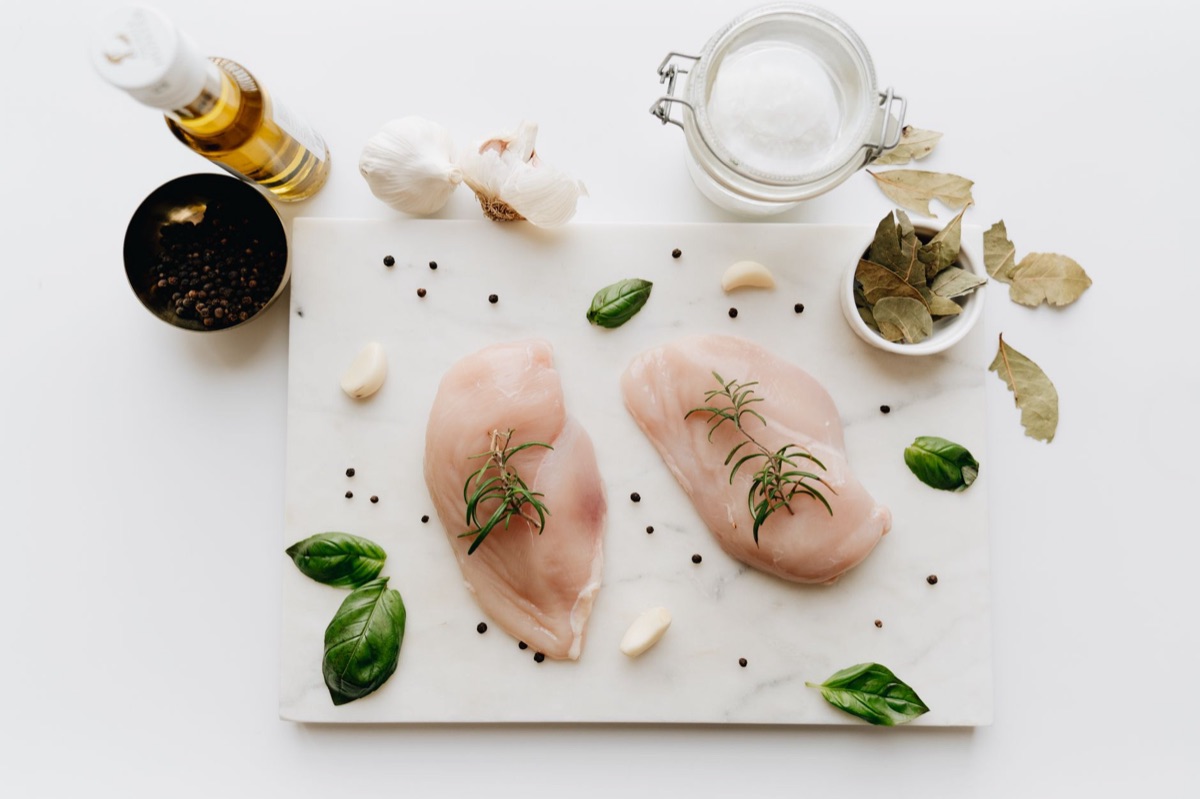
When building a topper, the quality of the protein is the cornerstone. You should look for high-quality, lean proteins that offer high bioavailability, meaning the dog's body can easily absorb the nutrients.
Finely minced organ meats, such as heart or liver (in moderation), and specific fish like salmon or whitefish are excellent choices.
Healthy fats and omega sources are the second pillar. Ingredients like small amounts of sardine or specific fish oils provide the essential fatty acids that support skin and coat health. However, fat must be balanced; too much can lead to pancreatitis in sensitive dogs.
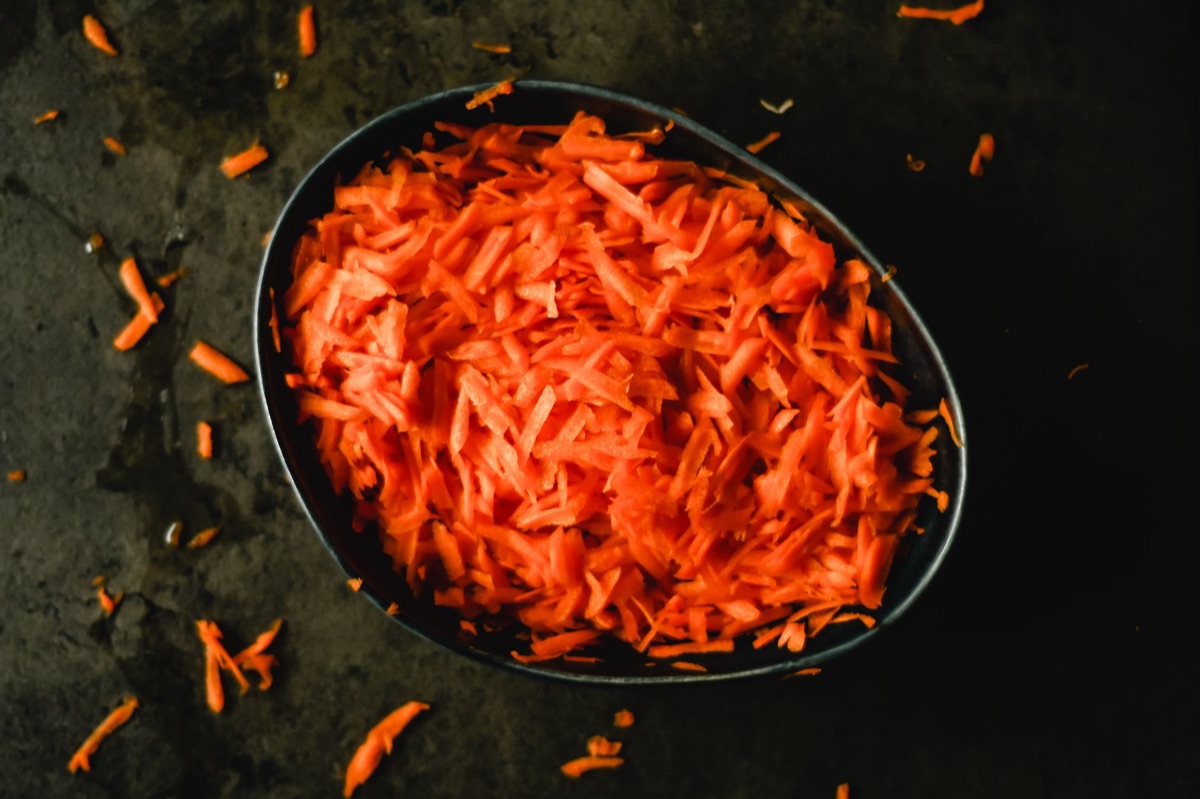
For fiber and carbohydrates, stick to low-glycemic, canine-safe vegetables. Finely grated carrots, steamed zucchini, or pureed pumpkin can add texture and micronutrients without the heavy starch found in many fillers.
Crucial Safety Check: The "No-Go" List To ensure safety, never include the following in your recipes: * Xylitol: An artificial sweetener often found in peanut butters and can be fatal. * Onions and Garlic: These can cause hemolytic anemia in dogs.
* Grapes and Raisins: Highly toxic and can lead to kidney failure. * Macadamia Nuts and Certain Seeds: Can cause neurological issues or intestinal blockages.
Choosing the right ingredients is only half the battle; the real magic happens when you blend them correctly.
How do I combine ingredients for perfect balance? A stainless steel spoon dips into a mixture of minced salmon and soft-boiled egg, creating a thick, chunky paste that holds its shape.
When creating a topper, you are playing with the relationship between nutrient density and volume. You want a mixture that is "heavy" on nutrition but "light" on the stomach. This prevents the dog from feeling overly full while still receiving the benefits of the supplemental ingredients.
Moisture content is a key variable. If your dog eats dry kibble, which typically contains only 3% to 11% water, adding a moist "caviar" topper can help with hydration and make the dry pellets easier to chew and swallow.
If you are already feeding wet canned food, the topper should be more of a thick paste rather than a liquid to avoid making the meal too soupy.
Flavor and texture pairing is where the "gourmet" aspect comes alive. Combining a soft, creamy texture (like poached egg) with a slightly firmer texture (like minced meat) creates a more engaging eating experience.
Proportionate Mixing Guide To maintain the nutritional integrity of the base diet, follow these general ratios: 1. The 10% Rule: The topper should never exceed 10% of the total daily caloric intake. 2.
Ratio Example: If a dog eats 2 cups of kibble, the topper should be roughly 1 to 2 tablespoons. 3. Consistency: Aim for a mixture that is thick enough to coat the kibble rather than sink to the bottom of the bowl.
Mastering the mixture is one thing, but the physical preparation and storage determine whether the recipe is a success or a health hazard.
Preparation & Safety Protocol: From Raw to Ready
The kitchen counter is covered in a thin layer of flour and the scent of fresh fish as a chef carefully blanches vegetables and minces proteins.
Preparation techniques vary depending on the ingredients. For proteins, gentle cooking methods like poaching, steaming, or light blanching are often safer and more digestible than raw preparation, especially for dogs with sensitive systems.
If using raw ingredients, they must be handled with the same rigor as human food to prevent bacterial contamination.
Preservation and Storage Because these recipes often use fresh, perishable ingredients, shelf life is short. * Refrigeration: Most fresh toppers should be kept in an airtight glass container and consumed within 2–3 days.
- Freezing: For longer storage, you can freeze the mixture in silicone ice cube trays. This allows you to pop out a single "caviar" portion at a time. - Thawing: Always thaw frozen portions in the refrigerator, never on the counter at room temperature.
The Introduction Protocol Never dump a new mixture onto a full bowl and expect immediate acceptance. 1. Day 1-3: Mix a tiny amount (one teaspoon) with the regular food. 2. Day 4-7: Gradually increase the amount while monitoring for changes in stool consistency. 3.
Monitoring: Watch for signs of digestive upset, such as diarrhea, gas, or vomiting.
Always remember that if you notice any adverse reaction, stop the topper immediately and consult your veterinarian.
While the basic steps remain the same, the specific ingredients and ratios must shift depending on the dog's life stage and activity level.
Tailoring the Recipe: Breed, Age, and Lifestyle Adjustments
A small, energetic terrier puppy lunges at a tiny morsel of egg, while an elderly, gray-muzzled lab waits patiently for a soft, easy-to-chew mixture.
A recipe that works for a high-energy Border Collie might be inappropriate for a sedentary Pug. You must adjust the density and ingredients based on the specific needs of the dog.
Puppies and Growing Dogs Puppies require higher energy density and specific minerals for bone development. Their "caviar" should focus on high-quality proteins and healthy fats, but should be introduced very cautiously to avoid overfeeding, which can lead to growth issues.
Seniors and Geriatric Dogs As dogs age, digestibility becomes the priority. For seniors, focus on softer textures and ingredients that support joint health, such as small amounts of glucosamine-rich proteins. Avoid overly heavy fats that might contribute to weight gain in less active older dogs.
Activity Level and Weight Management * High Activity: Dogs that run or work need a higher protein and fat-to-volume ratio to support energy expenditure.
* Low Activity/Obese: For dogs needing weight management, the topper should be vegetable-heavy and low-calorie to provide flavor without adding excessive calories.
* Sensitive Stomachs: If a dog has a history of gastric issues, stick to highly digestible, single-protein sources and avoid complex fibers.
| Dog Profile | Primary Focus | Recommended Texture |
|---|---|---|
| Puppy | Growth & Energy | Soft, nutrient-dense mash |
| Active Adult | Muscle Support | Chunky, protein-rich |
| Senior | Digestion & Joints | Very soft, easy-to-chew |
| Weight Sensitive | Low Calorie | Vegetable-based, light |





Comments 0