DIY Cat Food: Balancing Nutrients Beyond Just Meat
"A bowl of fresh meat might look like a feast, but without precise micronutrient balancing, it can quickly become a silent health crisis for your cat."
Transitioning from store-bought kibble to homemade meals is a massive leap in care that requires moving from "feeding" to "formulating." While using high-quality meat is a great start, a cat's survival depends on specific amino acids and minerals that aren't always present in a simple meat patty.
Key Takeaways * Completeness is the priority: High-quality ingredients do not automatically equal a balanced diet. * Obligate carnivore needs: Cats require specific nutrients like taurine that are difficult to balance without precision. * Macro vs.
Micro: Balancing proteins and fats is only half the battle; trace minerals and vitamins are where most DIY diets fail. * Professional oversight: Always consult a veterinarian or a board-certified veterinary nutritionist before making a permanent dietary shift.

Why DIY Cat Food Requires More Than Just "Good" Ingredients
Standing in the dim kitchen at midnight, I gripped the cold countertop while staring at a pile of expensive salmon, realizing a feast might still be a deficiency.
I remember standing in my kitchen last Tuesday, looking at a pile of fresh salmon and organic chicken, wondering if my cat's dinner was actually "healthy" or just "expensive." My cat, Luna, was purring at the sight of the raw fillet, but I knew that a diet of just muscle meat could lead to severe deficiencies.
The biggest misconception in home cooking is that "human-grade" equals "cat-complete." You can buy the most expensive grass-fed beef in the grocery store, but if it lacks specific vitamins or the correct calcium-to-phosphorus ratio, it won't sustain a cat long-term.
Cats are obligate carnivores, meaning their bodies are biologically designed to require nutrients found almost exclusively in animal tissues. Unlike humans or dogs, cats cannot easily synthesize certain vitamins or amino acids, such as taurine, from plant-based precursors.
If a recipe is heavy on meat but lacks organ meats or specific supplements, the cat may suffer from heart or issues.
Relying on "what looks right" or anecdotal advice from social media is dangerous. A diet that seems perfect today might cause a deficiency that takes months to manifest clinically. You aren't just cooking a meal; you are managing a complex chemical equation.
Deconstructing the Ingredient List: What to Choose and What to Avoid
I once watched a friend try to make "healthy" cat food using mostly turkey and sweet potatoes, only to realize her cat was losing weight because the caloric density was completely off. She thought the "good" ingredients would make up for the lack of balance, but the math didn't add up.
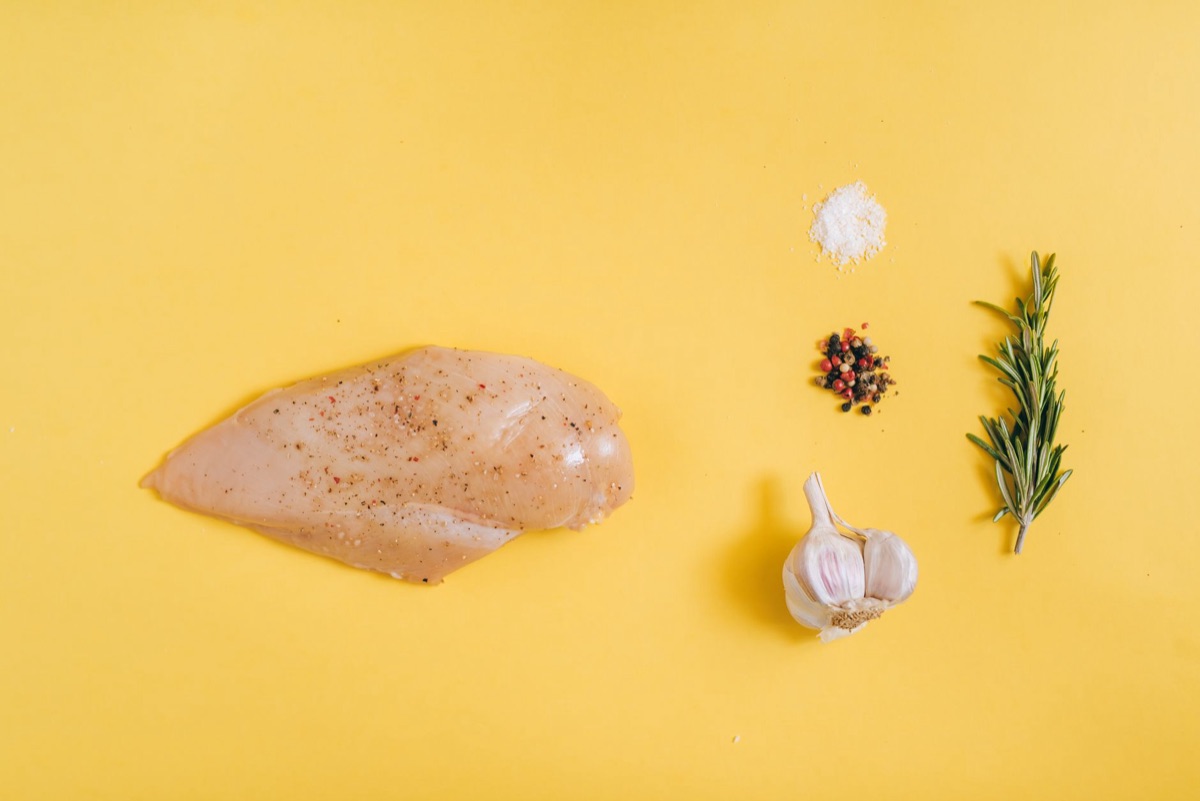
When selecting ingredients, the primary focus must be on highly digestible protein. Muscle meats (like chicken breast or beef) are excellent but often lack the vitamins found in organs.
| Ingredient Category | Purpose in Feline Diet | Selection Tip |
|---|---|---|
| High-Quality Proteins | Primary energy and amino acid source | Use variety (chicken, turkey, rabbit) to ensure a broad amino acid profile. |
| Essential Fats | Skin, coat, and brain health | Focus on Omega-3 fatty acids (fish oils) rather than just heavy saturated fats. |
| Organ Meats | Natural vitamin and mineral powerhouse | Include small amounts of liver or heart (with caution) for micronutrients. |
| Trace Carbohydrates | Minimal role; used for texture/fiber | Keep these low; cats do not require high carb loads for survival. |
Protein quality is vital, but digestibility matters just as much. If the protein source is difficult for the cat to process, they may suffer from GI upset.
Fat sources are the second pillar; while high-energy diets often have a fat content greater than 20% on a dry matter basis, you must manage this carefully to avoid pancreatitis.
Avoid "fillers" like excessive corn, wheat, or soy. While these are common in extruded dry foods (which make up approximately 95% of dry pet foods), they serve little nutritional purpose for a cat and can lead to obesity or diabetes.
Achieving Nutritional Balance: The Science Behind the Mix
I sat at my kitchen table with a calculator last night, trying to figure out how much a 5kg cat actually needs to eat to maintain weight without becoming obese. It isn't as simple as "a handful of food" every morning.
Calculating caloric needs is the first step in preventing the most common DIY mistake: obesity. For an average adult cat, you might start with a baseline of 180–200 kcal per day, but this must be adjusted based on activity level and life stage.
Lifecycle considerations change the math entirely. For example, during pregnancy, a cat's nutritional demands skyrocket; they may need to gain up to 38% of their body weight by the time they are ready to give birth.
A recipe designed for a healthy adult will be dangerously insufficient for a pregnant queen or a growing kitten.
You must also manage the "treat" factor. A 2004 survey in the US and Australia found that 26% of cats receive treats daily. However, it is a hard rule in feline nutrition that no more than 10% of a cat's total daily calorie intake should come from treats.
If you are making homemade meals, those treats must be factored into the total daily caloric budget to prevent weight creep.
When transitioning from commercial food to a new recipe, never switch overnight. Use this transition checklist to ensure safety:
- Day 1-3: Mix 75% old food with 25% new food.
- Day 4-6: Mix 50% old food with 50% new food.
- Day 7-9: Mix 25% old food with 75% new food.
- Day 10: Transition to 100% new food if no digestive issues occur.
Beyond the Basics: Advanced Considerations for Tailoring Diets
I noticed how much my cat's energy levels changed when I adjusted the moisture content of her meals. It wasn't just about the food itself, but how the food interacted with her hydration levels.
One of the biggest differences between DIY food and commercial kibble is moisture. Most dry foods are produced via extrusion cooking and contain only 8–10% moisture. In contrast, canned foods usually have 75–78% moisture.
When you cook at home, you are often moving toward a much higher moisture diet, which is excellent for kidney health but requires careful management of nutrient concentration.
Consistency is another challenge. Batch cooking (making a large amount and freezing it) is convenient, but you must ensure every portion contains the same ratio of vitamins and minerals. If one portion has all the calcium and the next has none, the cat's health will fluctuate.
For cats with specific health states, such as renal (kidney) issues, the diet must be strictly controlled. These cats often require lower phosphorus levels, which can be difficult to manage when using certain meat-heavy recipes.
Always work with a professional when managing a cat with a chronic condition.
Lastly, address pickiness. If a cat rejects a healthy meal, do not simply add more fillers to make it palatable. Use highly aromatic ingredients like bonito flakes or slightly warmed broth to encourage eating without compromising the nutritional integrity.



Comments 0