Calorie Needs Drop by 25%: Feeding Your Senior Pet Right
"Navigating the nutritional shifts of aging pets requires moving beyond simple kibble refills to a holistic, physiology-matched dietary strategy."
Key Takeaways
* Metabolic Adjustment is Key: Senior pets, especially dogs, often require reduced caloric intake compared to younger counterparts to prevent obesity. * Digestibility Matters Most: As digestive efficiency naturally declines, the quality and bioavailability of nutrients must be prioritized. * Supportive Care is Crucial: Diet must integrate joint support, hydration, and specific nutrient profiles to maintain quality of life. * Individualization Prevails: A one-size-fits-all approach fails; adjustments must match the pet's specific stage of aging, activity level, and health markers.
Why Does Senior Metabolism Change? Understanding Age-Related Shifts
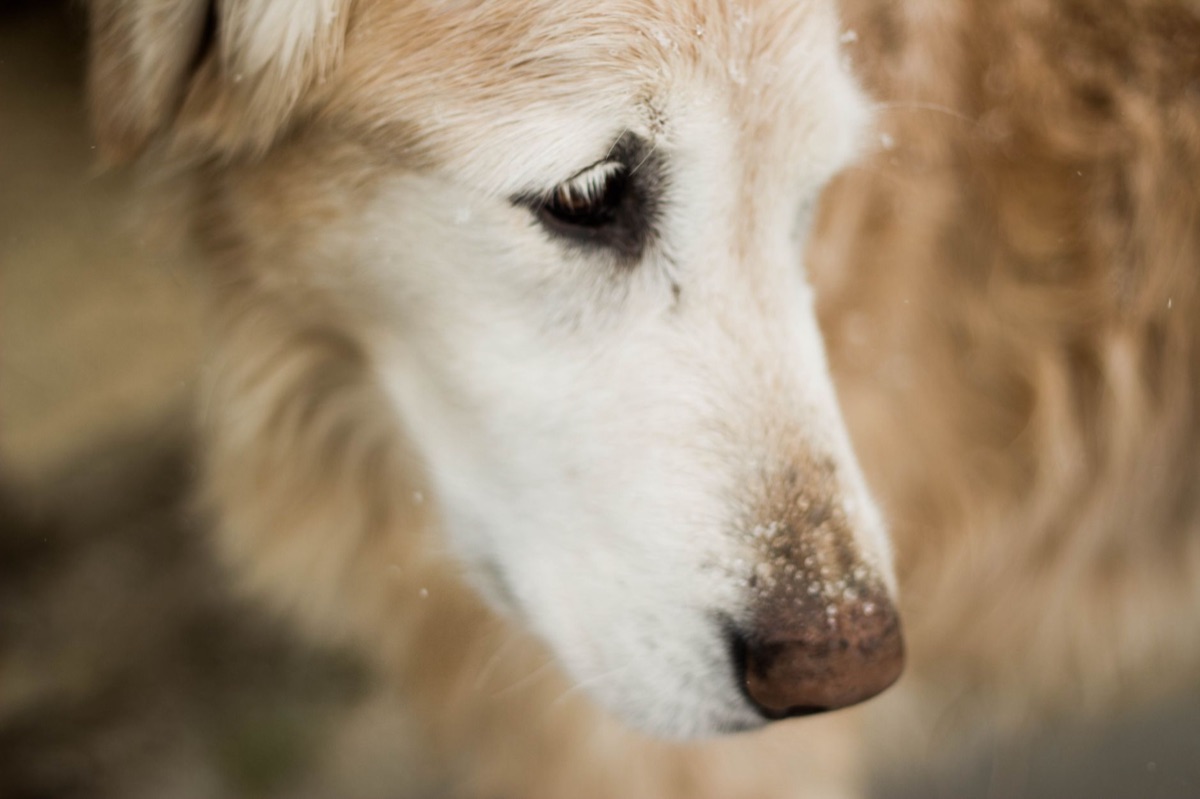
At dawn in the dim bedroom, a gray-muzzled retriever pushes against the rug with stiff joints, feeling the heavy ache of sluggish energy.
At 6:00 AM in a quiet, sunlit bedroom, an aging Golden Retriever might struggle to stand up from the rug, moving with a stiffness that wasn't there in 2024. This change in movement is often accompanied by a change in how their body uses fuel.
According to the Journal of applied gerontology, longer and more frequent senior center attendance was associated with lower levels of loneliness and better mental health in 2026.
As pets age, they often experience sarcopenia, which is the natural loss of lean muscle mass. This loss directly impacts how many calories they burn throughout the day.
Because lean mass is the primary driver of energy expenditure—accounting for 96% of the maintenance of the basal metabolic rate—the loss of muscle means the body's "engine" is running slower.
As dogs age, their maintenance energy requirement (MER) can decrease by up to 25% due to this loss of lean mass. If you continue to feed them the same amount of food they ate in their prime, those extra calories won't be burned as muscle; instead, they will be stored as fat.
This weight gain puts even more pressure on aging joints, creating a dangerous cycle of mobility decline.
Beyond the muscle loss, the digestive tract itself undergoes changes. Enzyme production may slow down, and the gut microbiome can shift, making it harder for the body to pull nutrients out of the food.
This means that while their caloric *needs* might go down, their need for *nutrient density* often goes up.
But as the body changes, the way we measure "enough" food changes too.

Precision in Senior Diet: Adjusting Intake and Quality
Late at night in the quiet kitchen, a hand reaches to scoop specialized kibble into a ceramic bowl, hearing the light clink of much smaller portions.
I remember sitting at my kitchen table in late 2025, watching my own senior cat, Luna, go from eating every single kibble in her bowl to leaving half of them behind, despite her looking thinner. It was a confusing moment that required a complete rethink of her mealtime.
According to The Journal of nutrition, it is appropriate to decrease energy provision for senior dogs by approximately 20% in 1998.
When managing these shifts, it is vital to recognize that dogs and cats have different biological requirements.
In feeding regimens for senior animals, it is appropriate to decrease energy provision for senior dogs by approximately 20%, whereas the energy provision for senior cats should not be decreased.
This is because cats are highly prone to losing muscle mass quickly if they face even a slight caloric deficit.
Rather than just cutting portions, focus on these three pillars of precision feeding:
- Protein Quality Over Quantity: While total calories may drop, the protein provided must be of the highest biological value. High-quality proteins are easier for aging kidneys and digestive systems to process while helping to mitigate muscle wasting.
- Fat Management: While healthy fats are necessary, excessive fat can lead to pancreatitis or weight gain. Focus on specific fatty acids like EPA and o DHA that provide health benefits without excessive caloric density.
- Monitoring Body Condition: Instead of relying solely on age-based formulas, use a Body Condition Score (BCS). A pet that is slightly leaner is often better positioned for mobility than one that is "well-fed" but heavy.
| Feature | Young Adult Pets | Senior Pets |
|---|---|---|
| Caloric Density | High (to support growth/activity) | Lower (to prevent obesity) |
| Protein Focus | High quantity for growth | High quality for muscle maintenance |
| Fiber Content | Moderate | Often higher for gut motility |
| Joint Support | Preventative/Low | Therapeutic/High |
The table above shows the shift in focus, but physical changes in the pet often demand more than just a change in the bag.
Beyond Kibble: Advanced Support for Joint and Cognitive Health
Walking through the park on a cool autumn afternoon in 2026, you might notice your senior dog hesitating before a flight of stairs or moving more cautiously over uneven grass. These are the moments where diet meets physical reality.
According to BMC public health, about half of the studies (19) reported significant effects in 2014.
As mobility decreases, joint health becomes a primary concern. Ingredients like glucosamine and chondroitin are common in senior diets because they help support the structural integrity of cartilage. However, it is not just about the bones; it is about managing systemic inflammation.
Omega-3 fatty acids are essential for this, helping to lubricate joints and reduce the discomfort that prevents an older pet from staying active.
Cognitive health is another frontier in senior nutrition. Just as humans experience changes in mental clarity, pets can experience "senior moments" or cognitive dysfunction.
While research is ongoing, diets rich in antioxidants and specific medium-chain triglycerides are often used to support brain health.
To manage these complex needs, follow these steps for transitioning your pet:
- Assess Current Mobility: Observe how your pet moves during daily activities to determine if they need immediate joint-supportive nutrition.
- Gradual Transition: When moving to a senior-specific formula, mix it with their current food over 7–10 days to avoid gastrointestinal upset.
- Calibrate Portions: Use a kitchen scale to weigh food rather than relying on gravity feeders, ensuring you are meeting the specific caloric needs of a lower-metabolism body.
- Hydration Check: Always ensure fresh water is available. Senior pets are often more prone to dehydration, which can exacerbate kidney issues and joint stiffness.
The physical changes are clear, but the internal changes are often harder to catch until they become problems.

Why Does Picky Eating Happen in Senior Years?
You are standing in the kitchen at 6:30 PM, holding a bowl of premium senior food, only to watch your pet sniff it once and walk away. This common frustration can feel like a personal rejection, but it is usually biological.
According to BMC geriatrics, community canteen services improved life satisfaction with a beta of 0.288 in 2022.
Loss of smell or taste is a common part of aging. As a pet's sensory perception wanes, food that once smelled irresistible may no longer trigger the urge to eat.
Dental issues are another major culprit. If a pet has cracked teeth or sensitive gums, they may avoid hard kibble entirely to prevent pain.
Weight loss in senior pets can also be a sign of underlying issues like hyperthyroidism or kidney dysfunction. If your pet is eating significantly more but losing weight, or eating less and losing weight rapidly, the cause is likely medical.
Knowing how to navigate these changes requires a structured approach to your daily routine.
How to Successfully Transition to a Senior Diet
Transitioning a pet to a new diet isn't as simple as swapping one bag for another overnight. To prevent stomach upset and ensure your pet accepts the new food, follow this structured timeline.
- The Assessment Phase (Days 1-2): Observe your pet's current weight and energy levels. If they are currently overweight, plan to reduce their total daily volume by 10% as you introduce the new food.
- The Mixing Phase (Days 3-7): Start by mixing 75% of the old food with 25% of the new senior formula. Slowly adjust the ratio each day until the old food is phased out.
- The Calorie Calibration (Week 2): Once the transition is complete, use a digital scale to weigh the exact portion of the new food. Adjust the weight based on your pet's activity level to prevent sudden weight gain.
- The Consistency Check (Ongoing): Monitor stool quality and energy levels. If the pet becomes lethargic or has diarrhea, revert to the previous ratio and consult a professional.
A Note on Limits and Medical Advice
These strategies are designed for healthy aging pets. If your pet has been diagnosed with specific medical conditions—such as chronic kidney disease (CKD), heart disease, or severe diabetes—these general nutritional guidelines may not apply.
In those cases, the dietary needs are much more specific and sensitive. Always consult with your veterinarian before making significant changes to a pet with a diagnosed health condition.







Comments 0