Pregnancy pet diet guide: Best diet for developing offspring
"The journey of gestation requires careful attention to biological timing and nutritional stability to ensure the health of both the mother and the developing offspring."
Managing a pregnancy-pet diet guide involves balancing nutritional needs with the physiological changes occurring during gestation. This guide focuses on understanding developmental timelines, identifying risks, and maintaining healthy weight progression.
Key takeaways: * Understand the distinction between fertilization age and gestational age. * Monitor weight gain within recommended clinical ranges. * Identify the critical windows of preterm and term delivery.
When should I change my pet's diet during pregnancy?

In the quiet kitchen at dawn, I scoop larger portions into the bowl to support the growing life during this pregnancy. A hand brushes against a soft, growing belly while checking a calendar during the early stages of development. Understanding the biological clock is the first step in creating a safe diet for pregnant pets.
According to the Journal of psychiatric research, rates of mental health-related hospitalization were higher following induced abortions than other pregnancies (104.0 vs.
Implantation occurs on average 8–9 days after fertilization. This early stage sets the foundation for the entire gestational period.
The length of the term can be viewed in two ways: the span from the last menstrual period is typically 40 weeks, while the length counting by fertilization age is about 38 weeks. Knowing these windows helps in planning nutritional adjustments.
A healthy pregnancy pet diet guide requires recognizing that these timelines dictate how much energy is needed. As the term progresses, the metabolic demands shift significantly.
- Monitor the initial transition to higher calorie intake during early development.
- Adjust portion sizes as the pregnancy progresses toward the final trimester.
- Stabilize the diet to prepare for the nursing phase after birth.
How do we manage weight during the gestation period? Pregnancy pet diet guide
In the quiet kitchen, I lift the heavy food bag to balance the weight during the pregnancy gestation period.
A kitchen scale sits on the counter as a caregiver prepares a balanced meal for a pet in mid-gestation. Maintaining a stable weight is one of the most vital aspects of a safe diet for pregnant pets.

The Institute of Medicine recommends an overall pregnancy weight gain for those of normal weight (body mass index of 18.5–24.9), of 11.3–15.9 kg (25–35 pounds) having a singleton pregnancy. This specific range ensures that the nutritional intake supports growth without causing undue maternal stress.
| Condition | Recommended Weight Gain (kg) | Recommended Weight Gain (lbs) |
|---|---|---|
| Normal BMI (18.5–24.9) | 11.3–15.9 kg | 25–35 pounds |
I remember carefully weighing the food to ensure it stayed within these clinical guidelines. Prenatal pet feeding tips often emphasize that managing caloric density is just as important as the total amount provided.
A limitation of these guidelines is that they are specific to singleton pregnancies and may not apply to multiple births.
In this sequence, the second step is the longest.
What are the risks of delivering too early? A quiet nursery stands ready, but the tension of an early arrival lingers in the air. Identifying the risks of an early birth is essential for prenatal pet feeding tips.
According to BMC pregnancy and childbirth, pregnancy-associated stroke is a rare but life-threatening event, with an estimated incidence of 30/100000 deliveries.
A pregnancy is considered term at 37 weeks of gestation. It is preterm if less than 37 weeks and post-term at or beyond 42 weeks of gestation.
Babies born before 37 weeks are preterm and at higher risk of health problems such as cerebral palsy. Monitoring the pet's condition as they approach the 37-week mark is critical for survival.
Pet nutrition during pregnancy must account for the possibility of an early arrival. Ensuring the mother has sufficient reserves can help mitigate some of the physiological stresses of preterm labor.
How is the term period defined?
A clock ticks on the wall as the due date approaches, marking the transition to the final weeks. Understanding the nuances of the term period helps in managing pet nutrition during pregnancy.
According to Seminars in perinatology, overall, 10% to 15% of direct maternal deaths are associated with preeclampsia and eclampsia.
The American College of Obstetricians and Gynecologists have recommended further division to early term from 37 weeks up to 39 weeks, full term 39 weeks up to 41 weeks, and late term 41 weeks up to 42 weeks.
| Term Category | Gestational Week Range |
|---|---|
| Early Term | 37 to 39 weeks |
| Full Term | 39 to 41 weeks |
These distinctions are important because nutritional requirements may change between early term and late term. A guide to pregnant pet food should reflect these subtle shifts in developmental needs.
A guide to pregnant pet food must be flexible enough to handle these shifting biological phases.
What are the steps for a healthy feeding routine?
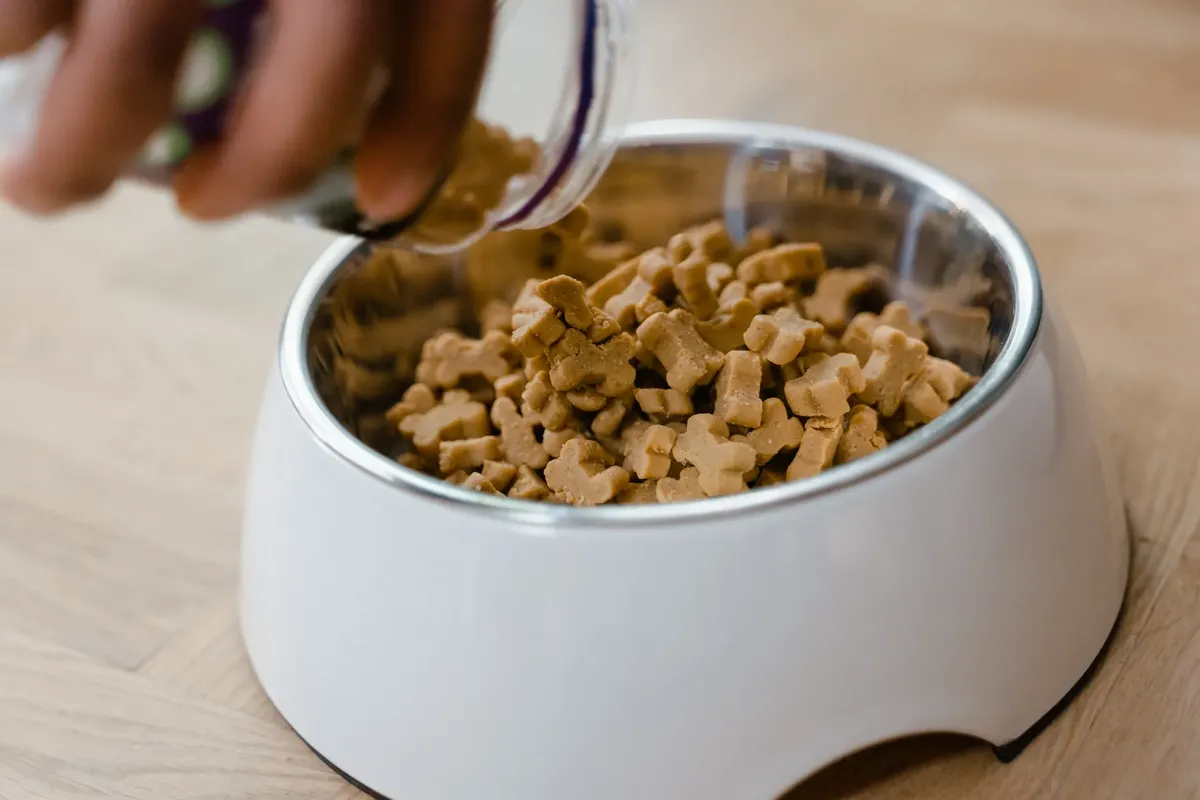
A bowl of nutrient-dense food is placed on the floor, signaling the start of a structured feeding schedule. Following a consistent routine helps maintain the stability required for a successful pregnancy.
- Assess the current weight and BMI to determine the starting point for caloric adjustments. 2. Monitor the gestational age to align food types with the specific developmental stage. 3. Perform a final check to ensure the food meets the energy demands of the growing offspring.
I ensure that each meal is measured precisely to avoid exceeding the recommended weight gain. This structured approach is a cornerstone of any pregnancy pet diet guide.
When is delivery considered late or post-term?
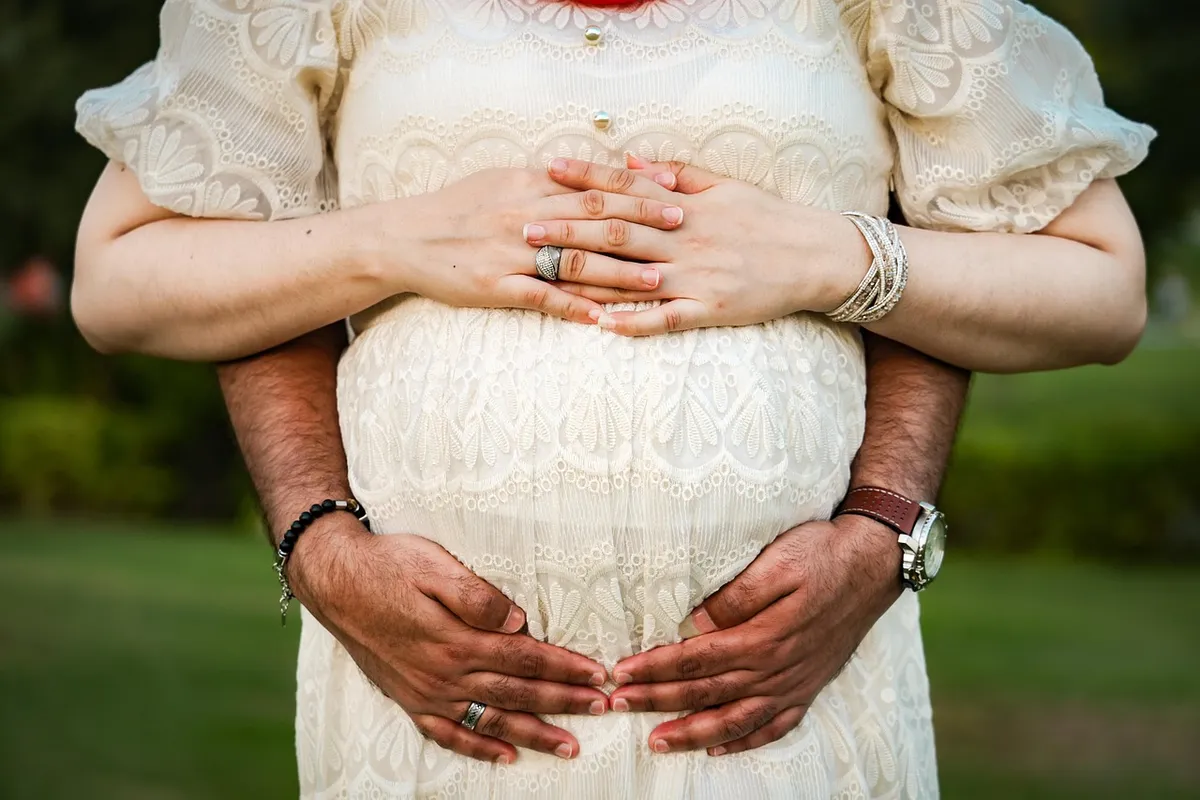
A window is left open to let in the morning light as the caregiver prepares for the possibility of a late arrival. Recognizing the end of the term is vital for timing the final nutritional adjustments.
Babies born between weeks 41 and 42 weeks are considered "late-term" while after 42 weeks they are considered "post-term". Delivery before 39 weeks by labour induction or caesarean section is not recommended unless required for other medical reasons.
Managing the nutritional shift during these final weeks requires careful observation of the mother's appetite and energy levels. It is essential to follow the biological cues provided by the animal.
This part also covers Risky foods for pregnant dogs.
This part also covers How to calculate pet food amount.
This part also covers Veterinarian advice for gestation.
Risky foods for pregnant dogs
Related




Comments 0