High palatability cat food helps picky eaters eat Guide
"Finding the right food for a picky eater is often a battle of wills between a pet and their owner."
This guide helps owners identify quality standards, manage dietary transitions, and understand the differences between dry and wet options for picky cats seeking high palatability cat food.
One limitation is that nutritional requirements vary based on specific life stages, such as pregnancy.
What makes cat food highly palatable?
At dusk in the dim kitchen, the owner feels the high moisture of the meat as they scoop it into a bowl.
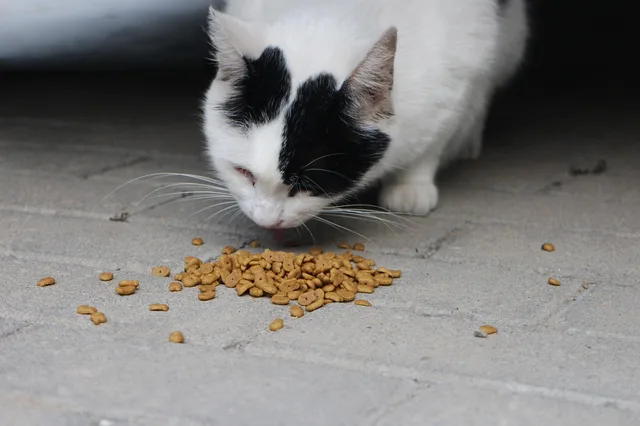
A person stands in a pet aisle, scanning colorful bags and tins while their cat meows impatiently at home. High palatability cat food often relies on moisture levels and fat content to entice a feline's appetite.
According to the Belgian Federal Agency, "nowhere in the law does it say that you can't eat your own pet cat, dog, rabbit, fish, or whatever."
According to the Association of American Feed Control Officials (AAFCO), regulations ensure that commercially available foods meet specific nutritional standards.
In the United States, any food using the "complete and balanced" label must meet AAFCO standards by either passing a feeding trial or meeting a specific nutrient profile. This ensures that even if a cat is a picky eater, the food they choose is nutritionally sound.
Many owners seek tasty food for picky cats by looking at the moisture content of the meal. Wet food typically contains 75–78% moisture and is often packaged in aluminum or steel cans in sizes such as 90, 160, or 370 g.
This high moisture level can be a key factor in increasing the best cat food preference for cats that avoid dry kibble.
How do dry and wet foods differ?
In the bright pantry, the owner reaches for a bag and feels the high heat of the sun through the window.
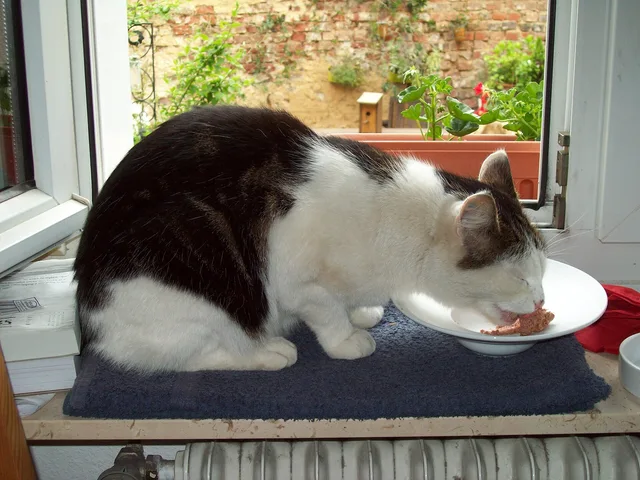
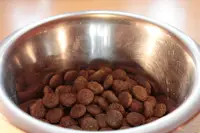
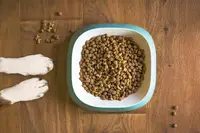
An owner pours crunchy kibble into a ceramic bowl, listening to the rhythmic sound of pellets hitting the surface. Understanding the structural differences between food types helps in selecting the right cat food for picky eaters.
According to the USDA, this technique is USDA approved and allows raw food to remain uncooked while greatly improving its safety and shelf-life.
Dry food usually contains only 8–10% moisture and is manufactured through a process called extrusion cooking, which uses high heat and pressure. Approximately 95% of all dry pet foods are produced using this extrusion method.
While convenient, these dry options may lack the sensory appeal of wet alternatives.
| Food Type | Typical Moisture Content | Common Packaging/Process |
|---|---|---|
| Dry Food | 8–10% | Extrusion cooking |
| Wet Food | 75–78% | Aluminum or steel cans |
I noticed during my own experience with a finicky feline that the texture of extruded kibble sometimes lacks the immediate aroma found in canned meals.
How do I switch my cat's food?
A caregiver slowly mixes a small amount of new kibble into an old bowl, watching the cat sniff the mixture cautiously. Using a proper switching food nutrition guide prevents stomach upset during transitions.
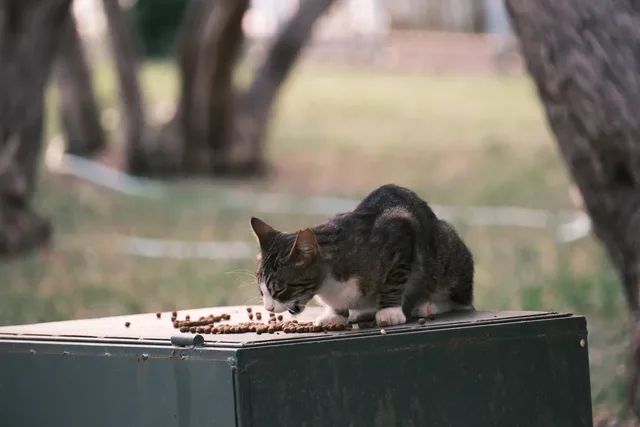
- Mix a small portion of the new food with the current food to introduce new scents and textures. 2. Gradually increase the ratio of the new food over several days while decreasing the old food. 3. Monitor the cat's stool consistency and energy levels throughout the entire transition period.
Once the transition is complete, perform a final check to ensure the cat is maintaining a healthy weight and showing interest in every meal.
How much should treats be used?
A hand reaches into a plastic pouch, pulling out a small, crunchy morsel to reward a sitting pet. While treats are excellent for bonding, they must be managed carefully to maintain a healthy diet.
A 2004 survey in the US and Australia found that 26% of cats received treats on a daily basis. However, it is vital to remember that not more than 10% of a cat's calorie intake should come from treats.
Overreliance on high-preference cat food in treat form can lead to nutritional imbalances if the main meals are neglected.
How do energy requirements change?
A veterinarian weighs a cat on a digital scale, noting the numbers for a client's medical record. Caloric needs are not universal and depend heavily on the animal's current physical state.
For an average cat weighing 10–11 pounds (about 5 kg), the resting energy requirement is approximately 180–200 kcal/day. These needs shift significantly during specific life stages. For instance, during pregnancy, a cat should gain 38% of their body weight by the time they are ready to give birth.
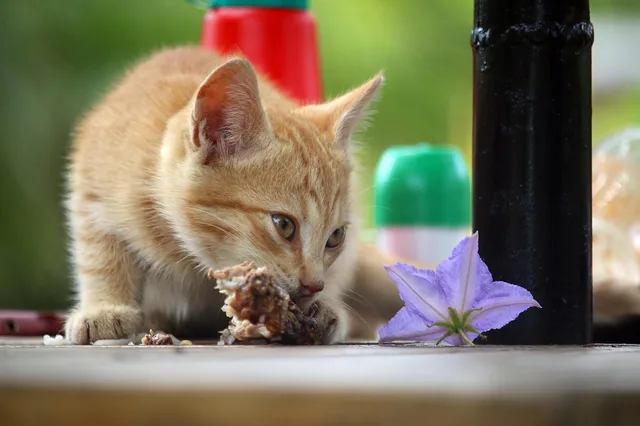
High energy diets, which generally have a fat content greater than 20% on a dry matter basis, may be necessary for specific growth or maintenance needs.
- High-palatability cat food is designed to appeal to the specific sensory preferences of felines, often through texture and moisture content.
- Focus on foods labeled as complete and balanced, monitor treat intake, and avoid sudden changes that cause digestive upset.
- According to the Association of American Feed Control Officials, regulations ensure that commercially available foods meet specific nutritional standards.
Why is monitoring the transition important?
Monitoring the transition is vital because sudden changes in diet can cause digestive upset in cats. Owners should watch for changes in stool consistency or energy levels to ensure the new food is being tolerated well.
Finding the right balance between dry and wet food requires observing how the cat reacts to different textures. If a cat avoids dry kibble, wet food's higher moisture content may serve as a better option for providing a high preference cat food, which can be helpful when looking for switching cat food tips.
What precautions should owners take with treats?
Owners should caution against using treats as a primary food source to avoid nutritional imbalances. Because treats can be high in preference, they must be limited to no more than 10% of the total daily calorie intake.
- Limit treat portions to ensure they do not exceed 10% of daily calories. 2. Compare the nutritional profile of treats against the complete and balanced main meals. 3. Watch for signs of weight changes if treats are used frequently.
Which food type is better for picky eaters?
Wet food is often a better choice for picky eaters because its high moisture content and texture can increase meal preference. If a cat avoids dry kibble, the 75–78% moisture level found in canned options provides a sensory appeal that extruded dry food may lack.
Finding the right balance between these options involves comparing the 8–10% moisture in dry food against the higher moisture in wet food. While dry food is manufactured through extrusion cooking, wet food is typically packaged in aluminum or steel cans.
Owners should monitor how their cat reacts to these different textures to determine which provides the best palatability.
What should owners watch for during a diet change?
Owners should watch for changes in stool consistency and energy levels to ensure the cat is tolerating the new food. A sudden change in diet can cause digestive upset, so following a gradual transition is necessary.
- Monitor the cat's stool consistency throughout the transition period. 2. Observe energy levels to ensure the cat remains healthy. 3. Check that the cat is maintaining a healthy weight once the transition is complete.





Comments 0