Dog Veggie Treats: 5 Checks for Safe Canine Nutrition
"Is a handful of broccoli a healthy treat or a hidden danger for my dog?"
Giving your dog a piece of carrot or a slice of cucumber might seem like a simple way to boost their nutrition, but it requires more than just washing the produce.
While vegetables offer essential vitamins, the wrong type or preparation can lead to serious digestive upset or even life-threatening toxicity.
* Difficulty: Low (Basic food handling and preparation) * Time Required: 10–15 minutes during meal prep * Supplies Needed: Fresh vegetables, a steamer or pot, and a dedicated cutting board/knife for pet food.
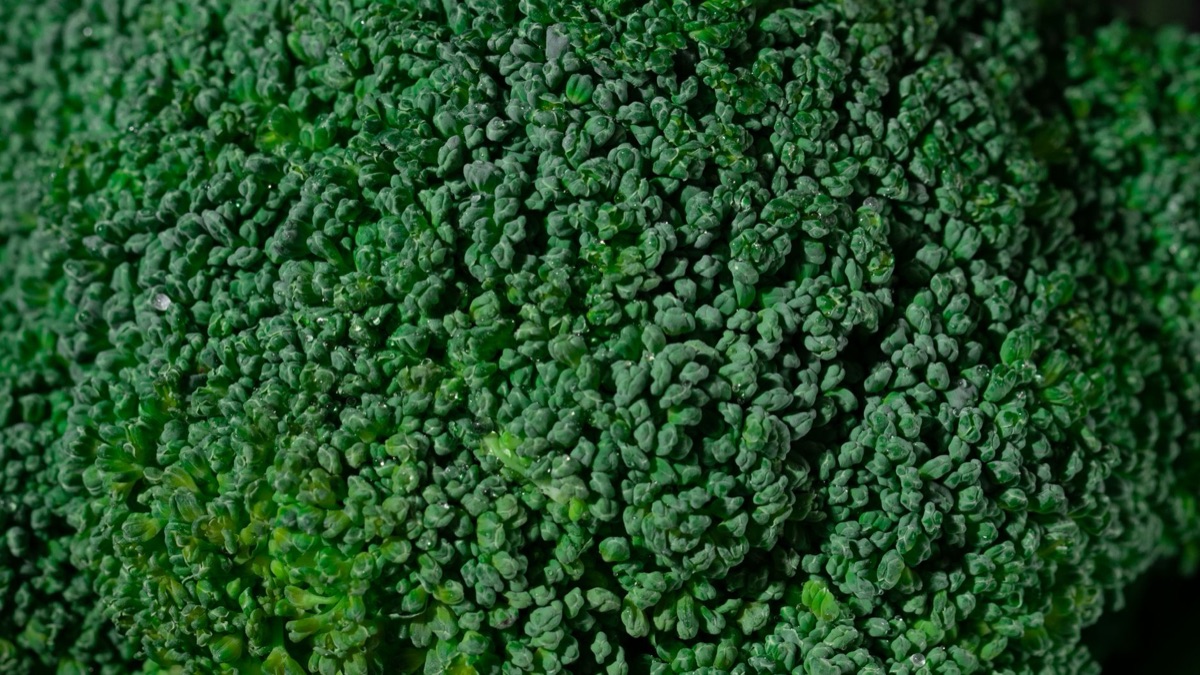
Why feed vegetables and what are the risks?
In the quiet kitchen, the heavy scent of earthy carrots fills the air as a dog's tail thumps rhythmically against the hard floor.
A golden retriever sits by the kitchen island, eyes locked on a bowl of freshly washed carrots, tail thumping rhythmically against the hardwood floor. To the dog, this is a prize; to the owner, it is a nutritional decision that requires careful thought.
While it looks like a simple snack, the biological implications are complex.
Dogs have evolved much differently than their wild ancestors regarding their dietary needs.
According to the Journal of animal science (2014), dogs have evolved much differently in their ability to metabolize carbohydrates and select a diet lower in protein (30% of ME from protein) than the diet of wild wolves.
This evolutionary shift suggests that dogs possess a biological foundation that allows them to process plant-based ingredients alongside proteins.
However, "natural" does not always mean "safe." Certain vegetables contain compounds that can cause kidney stones, sudden blood sugar spikes, or severe toxicity. Because every dog has a unique health profile, you must tailor the preparation to their age and specific medical needs.
The next step involves setting up a safe workspace to prevent contamination.
What supplies and budget do I need for a snack station? Late in the afternoon, you pull a heavy wooden cutting board from the pantry and feel the cool smoothness of the surface under your palms.
You pull a cutting board from the pantry and set a large bowl in the sink to rinse the produce. To maintain hygiene, it is best to keep pet-specific ingredients separate from the food you prepare for yourself.
* Fresh Produce: Opt for fresh, refrigerated vegetables over frozen ones when possible. Carrots, zucchini, broccoli, and green beans are excellent choices. * Cooking Tools: A steamer or a pot is essential. Steaming or boiling is significantly safer than frying or sautéing in oils. * Sanitation: Using a dedicated cutting board and knife for your dog helps prevent cross-contamination of bacteria or human seasonings.
Budget Guide You do not need expensive specialized equipment to feed your dog healthy treats. Beyond the cost of the produce itself, there are almost no extra expenses.
While some specialized prescription diets can be pricey, using fresh vegetables as supplemental treats is a very cost-effective way to add nutrition. For most households, adding a few extra vegetables to the weekly grocery list represents a minimal monthly increase.
Once you have your tools ready, you need a reliable process for preparation.
How do I follow the safe vegetable feeding process? You peel a bright orange carrot on the kitchen counter, carefully scraping away the outer layer before placing it in the sink. This preparation is the first line of defense for your dog's health.
- Wash and Peel: Thoroughly rinse all vegetables under running water to remove pesticide residue. For thick-skinned items like potatoes or sweet potatoes, you must remove the skins entirely.
- Cook Thoroughly: Raw vegetables can be difficult to digest and may contain too much fiber, leading to diarrhea. It is best to steam or boil them. Ensuring the internal temperature reaches a sufficient level is vital for hygiene.
- Chop into Small Bites: Cut the vegetables into pieces that match your dog's mouth size and chewing ability. For small breeds, large chunks pose a significant choking hazard.
- Control the Temperature: Never serve hot food directly to your dog, as it can cause mouth burns. Always let the food cool to a lukewarm or cold temperature before serving.
Crucial Rule: No Seasonings Never add salt, sugar, soy sauce, or spices like garlic or onion powder during the cooking process. Use only water for boiling or steaming.
Even with a perfect process, you might encounter unexpected reactions during feeding.
Troubleshooting: what to do when things go wrong
A dog suddenly begins pacing the kitchen or whimpering after eating a new vegetable, causing the owner to rush to the pantry. These moments of panic often stem from a digestive system that wasn't quite ready for the new fiber load.
The Right Way: Gradual Introduction When introducing a new vegetable, start with a tiny piece. Instead of mixing it into a full meal, offer a single small morsel and observe your dog's stool for 24 hours. If their movements remain firm, you can slightly increase the amount the following day.
The Fix: Dealing with Diarrhea or Vomiting If your dog develops diarrhea after eating a vegetable, stop feeding it immediately. This is often caused by an excess of fiber. For a few days, return to their regular dry kibble to stabilize their digestive tract.
If vomiting is accompanied by lethargy or weakness, contact a veterinarian immediately.
Comparison Guide: Dry Food vs. Wet Food vs. Vegetable Treats
| Category | Moisture Content | Primary Characteristic | Best Use Case |
|---|---|---|---|
| Dry Food | 3–11% | Easy to store; helps dental health | Daily staple |
| আক্রমণ | |||
| Wet Food | 60–78% | High hydration; highly palatable | For dogs needing more water |
| Vegetable Treats | 20–45% | High fiber and vitamin source | Healthy adult snack |
Understanding these differences helps you decide how to balance treats with regular meals.

Monitoring results and health status
A dog happily trots through the backyard after a snack, tail wagging in a wide arc. While it looks like a success, you must look closer than just the dog's energy levels to ensure they are truly healthy.
Signs of a successful feeding include: * Stool that is firm and well-formed. * The dog remains energetic and acts normally after eating. * No signs of skin rashes or sudden itching.
Signs that require caution include: * Stool that is very loose or watery. * Excessive loud gurgling or gas in the abdomen. * The dog showing signs of discomfort or refusing to be touched around the belly.
By watching these signs, you can decide if a vegetable is a permanent addition to the diet or something that needs to be scaled back.




Comments 0