Dog cat feeding amount guide: Protein needs start at 18%
"Nutritional needs are not one-size-fits-all, as the biological requirements of a pet depend heavily on their specific species and life stage."
A dog cat feeding amount guide must account for the distinct metabolic differences between species and the varying nutritional requirements of different breeds.
This guide addresses how to manage portions based on species, identifies key protein requirements, and highlights the differences between canine and feline dietary needs.

Key takeaways: 1. Dog protein requirements for adult maintenance start at 18% on a dry matter basis. * Cats and dogs have different physiological needs that affect portioning. * Regulatory bodies like AAFCO provide essential nutritional guidelines.
How do breed-specific feeding needs vary?
In the quiet kitchen, a hand scoops tiny morsels into a shallow bowl, carefully managing the feeding process for a tiny terrier.
A hand reaches for a measuring cup to scoop kibble into a ceramic bowl, carefully weighing the portions for a small terrier versus a large retriever. Understanding breed-specific feeding needs requires looking at how size and metabolism influence energy requirements.
According to The Association of American Feed Control Officials (AAFCO) nutrient guideline for cats and dogs, the minimum protein requirement for dogs during adult maintenance is 18% on a dry matter (DM) basis.
This baseline helps owners adjust portions based on the specific activity levels of their dogs.
Different breeds require different caloric densities to maintain a healthy weight. A large breed might need more volume, while a small breed may require higher calorie density to prevent obesity.
What is the dog vs cat feeding difference? Dog cat feeding amount guide
At dusk, a cat leaps toward a low dish while a large dog waits by a heavy bowl, highlighting the unique feeding needs of each species.
A cat stretches toward a low-profile dish while a dog waits patiently by a larger feeding station, highlighting the different scales of consumption.
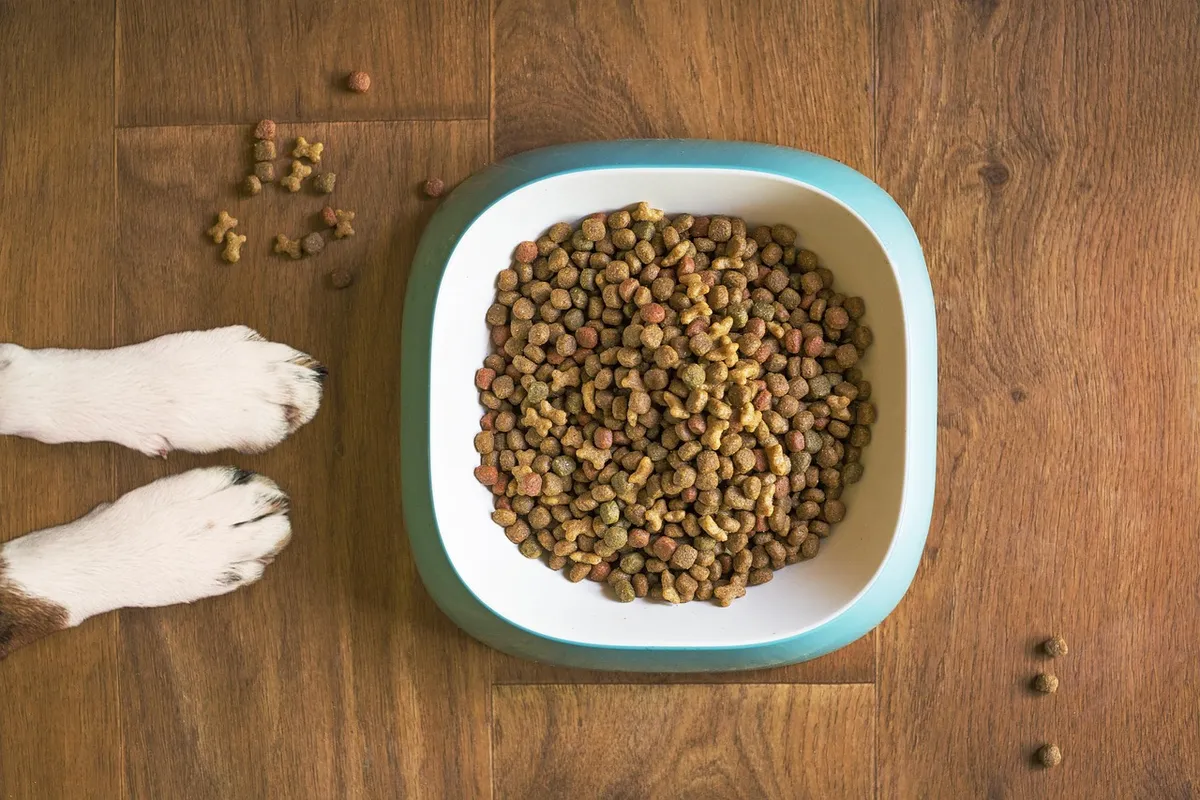
According to the Food and Drug Administration Center, the Food and Drug Administration Center for Veterinary Medicine has come out against vegetarian cat and dog food for health reasons.
According to the FDA, since 1993, the FDA has confirmed concerns of toxins in feed grade (animal grade) ingredients, yet to date no comprehensive federal regulation exists on mycotoxin testing in feed grade (animal grade) ingredients used to make pet food.
When considering a dog vs cat feeding difference, one must recognize that cats are obligate carnivores with much higher protein and taurine needs compared to dogs.
The biological drive for protein differs significantly between the two species. While dogs can adapt to various diets, cats require specific nutrients to prevent metabolic issues.
The way these animals process nutrients affects how often and how much they should eat. Cats often prefer smaller, more frequent meals, whereas dogs might do better with structured, larger meals.
How much to feed pets with varying requirements?
An owner sits on the kitchen floor, checking the weight of a puppy against the nutritional label on a bag of food. Learning how much to feed pets involves calculating energy requirements based on weight, age, and activity.
| Feature | Dog (Adult Maintenance) | Cat |
|---|---|---|
| Minimum Protein (DM) | 18% | Variable by species need |
The table above shows the baseline protein requirement for dogs. For cats, the nutritional focus often shifts toward specific amino acids required for feline health.
I once had to adjust a bowl size for a growing puppy to ensure the portion matched his developmental needs. Using the correct tools is essential for maintaining these precise amounts.
A limitation of these guidelines is that they do not account for individual health conditions or specific metabolic diseases in every animal.
How much should I feed my pet based on their size? A person stands in a pet supply aisle, comparing the nutritional density of various bags of food. Choosing a pet food portions strategy requires a deep understanding of the animal's life stage and breed.
- Determine the current weight and target weight of the animal. 2. Calculate the daily caloric requirement based on the animal's activity level. 3. Use a measuring tool to divide the total daily calories into appropriate meal portions.
Always perform a final check by monitoring the pet's body condition score to ensure the portion is neither too much nor too little.
How much should I feed my large dog or cat? A large dog stands tall next to a heavy-duty feeder, while a small cat investigates a delicate saucer. Developing a large dog feeding guide involves managing large-volume intake to prevent gastric issues, whereas a cat feeding amount by size focuses on much smaller, concentrated portions.
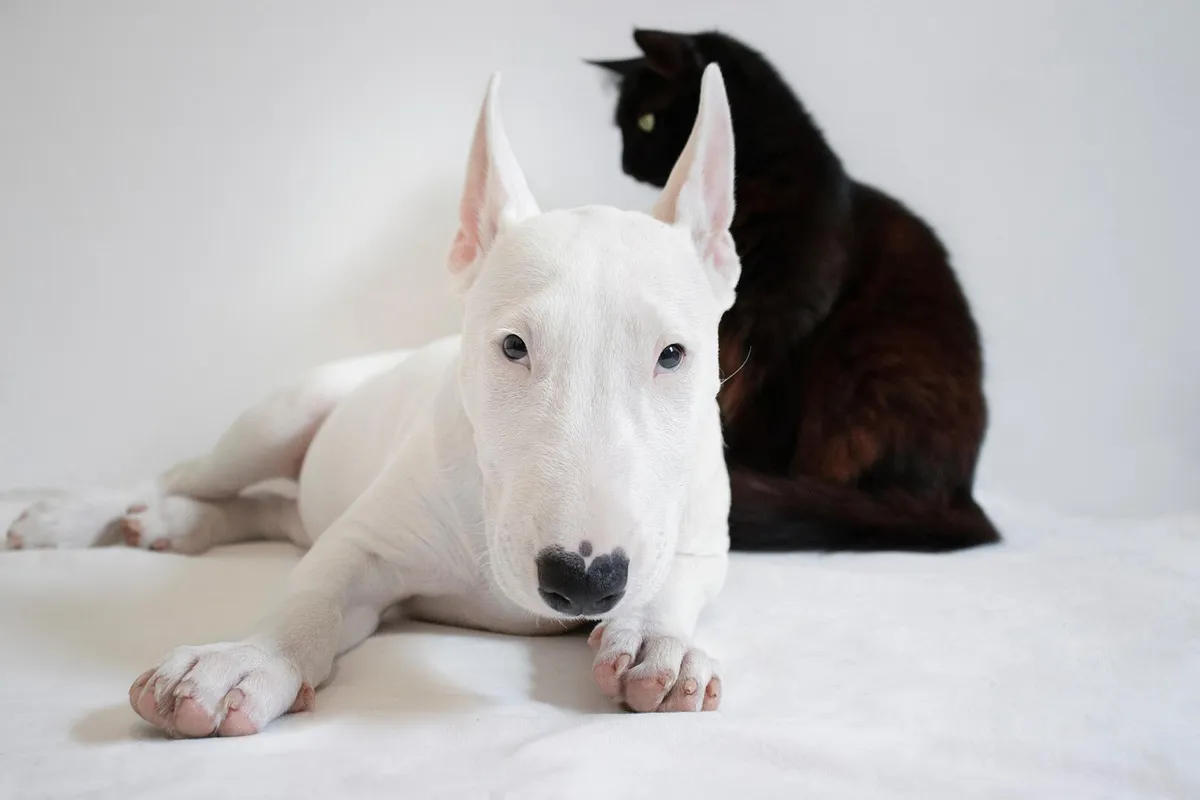
Large breeds often need to manage their intake to prevent joint stress. Small cats need careful monitoring to avoid rapid weight gain.
Choosing pet food portions depends on the life stage of the animal. Puppies and kittens generally require higher nutrient density than fully grown adults.
- How do breed-specific feeding needs vary?
- What is the dog vs cat feeding difference?
- How much to feed pets with varying requirements?
The subject here is Dog cat feeding amount guide.
The same subject is also called Breed specific feeding needs.
The same subject is also called Pet feeding amount comparison.
Related
- Cat feeding amount by weight: How to calculate energy needs
- Cat caviar feeding amount by weight: Tips for healthy cat
When are nutritional needs most critical? Nutritional needs are most critical during periods of rapid growth or significant life transition. Puppies and kittens, for instance, exhibit heightened metabolic rates that demand specific nutrient profiles. This heightened requirement necessitates careful attention to the food's composition during these developmental phases.
How does activity level affect nutritional needs? Activity level directly influences the daily caloric requirement for any pet. A highly active dog will need more energy from its diet than a sedentary dog of the same size. This comparison shows that energy expenditure dictates the necessary intake volume.
What cautions should owners observe regarding dietary changes? Owners must exercise caution when making sudden changes to a pet's diet. Gradual transitions allow the animal's digestive system to adapt to the new nutritional profile. Ignoring this condition can lead to gastrointestinal upset.
Properly managing pet portions requires continuous observation of the pet's physical condition. Monitoring the body condition score serves as a practical check against overfeeding or underfeeding. This ongoing assessment ensures the nutritional needs are being met appropriately.







Comments 0