Dog Food Guide: Best dog food types guide for health
"Choosing the right nutrition is not just about flavor, but about understanding the complex composition and safety standards behind every bowl."
A proper Dog Food Guide focuses on moisture content, nutrient standards, and ingredient safety to ensure long-term health. Owners should prioritize foods labeled "complete and balanced" and be mindful of moisture levels, such as the 6–10% found in dry varieties versus the 60–90% in canned options.
This guide is for pet owners looking to compare food types, understand label requirements, and identify potential ingredient risks. One limitation is that no comprehensive federal regulation currently exists regarding mycotoxin testing in feed-grade ingredients used for pet food.
How do I start a Dog Food Guide?
I stand in the pet aisle, scanning the colorful bags and cans while trying to decipher the technical jargon on the back of a package. Selecting the best dog food types requires looking past the marketing to find specific nutritional markers.
To find what is good dog food, you must first check for the "complete and balanced" label.
This ensures the meal provides all necessary vitamins and minerals.
- Determine your dog's age and activity level.
- Identify any specific dietary restrictions or allergies.
- Set a monthly budget for high-quality nutrition.
How can I effectively compare dog food textures?
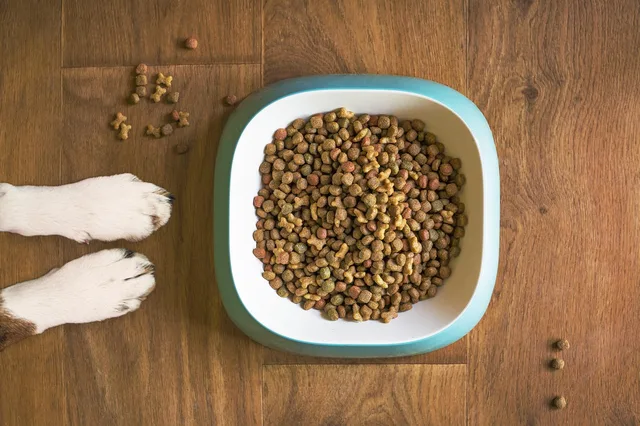
I hold a piece of dry kibble in one hand and a spoonful of wet food in the other, noting the stark difference in weight and texture. Comparing food types often comes down to the moisture content, which dictates how the food is processed and stored.
The following table highlights the primary moisture differences between common formats:
| Food Type | Moisture Content |
|---|---|
| Dry Food | 6–10% |
| Canned Food | 60–90% |
Wet food contains roughly 60-78% water, which is significantly higher in moisture than dry or semi-moist options. Semi-moist food contains about 20-45% water by weight, making it more expensive per energy calorie than dry food.
I noticed that semi-moist varieties are extremely vulnerable to spoiling if not kept at a cool temperature and have a shelf life of 2–4 months, unopened.
In this sequence, the second step is the longest.
Which dog food ingredients should I look for?
I read through a list of ingredients on a premium bag, searching for recognizable proteins and avoiding vague fillers. Healthy dog food ingredients are often defined by their transparency and adherence to safety standards.
According to the Association of American Feed Control Officials (AAFCO), animal by-products in pet food may include parts obtained from any animals that have died from sickness or disease, provided they are rendered in accordance to law.
While this is a legal standard, it is important for owners to understand what these components are.
When reading dog food labels, pay close attention to the source of proteins. Some manufacturing processes involve forcing mixtures through openings to form sheets of 8 to 12mm thickness before heat treatment.
These sheets are passed through heat sources to ensure the internal temperature reaches a minimum of 77 degrees Celsius.
How do I practice choosing right dog food brand safety?
I check the expiration date on a can and then look for news regarding recent ingredient recalls or health investigations. Safety is a primary concern when selecting a brand for your pet.
- Verify the "complete and balanced" claim meets AAFCO standards. 2. Check for recent investigations into specific ingredient links to health issues. 3. Confirm the storage requirements for the specific food type are being met.
In 2019, the FDA began investigating a potential link between certain dog-food brands and canine dilated cardiomyopathy (DCM).
What is the environmental impact of my choice?

I look at the large plastic bags of kibble and think about the carbon footprint required to produce and ship them. The production of pet food has a measurable effect on the planet.
Pet food production is responsible for 20-30% of the environmental impacts from animal production. Additionally, it has been estimated that global greenhouse gas emissions from dog and cat dry food represent around 1.1%–2.9% of global emissions.
This amount is close to the total emissions of countries such as Mozambique or the Philippines.
The subject here is Dog Food Guide.
The same subject is also called Dog food selection tips.
Should I be cautious about ingredient safety?
I must exercise caution regarding the potential for toxins in feed grade ingredients.
According to the FDA, in 2019, the FDA began investigating a potential link between certain dog-food brands and canine dilated cardiomyopathy (DCM).
Owners should also be aware that no comprehensive federal regulation currently exists for mycotoxin testing in the feed-grade ingredients used for pet food.
How can I compare food costs and storage?
I compare the cost per energy calorie when looking at semi-moist food versus dry food. Semi-moist varieties are more expensive per energy calorie than dry options.
I also note that semi-moist food requires storage at a cool temperature to prevent spoiling, as these products have a shelf life of only 2–4 months when unopened.
Choosing the right food involves comparing the 6–10% moisture in dry kibble against the 60–90% moisture found in canned options. This moisture difference dictates how each food type is processed and stored.





Comments 0