What 5 kg is the role of fat in cat feeding conversion rate?
"How much should a cat actually eat to stay healthy without gaining unnecessary weight?"
Managing a cat's diet requires understanding how nutritional density and caloric needs intersect. This guide addresses how to balance caloric intake, the role of calorie-dense additives, and how to manage weight-management diets effectively.
You will learn about daily requirements, the impact of treats, and the limitations of specific dietary interventions.
How does a cat's weight influence its daily food amount guide?
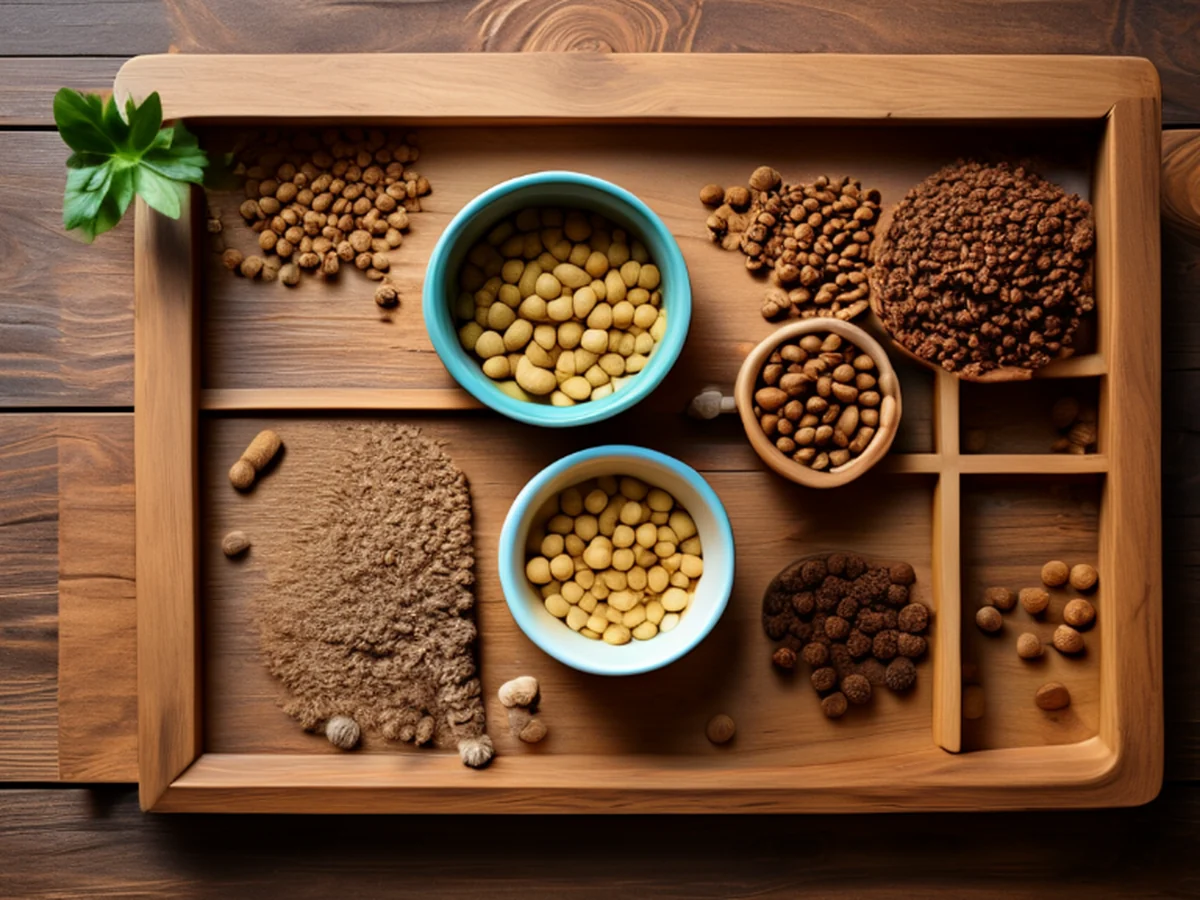
As the morning sun warms the kitchen floor, I carefully weigh the kibble to fulfill my role in maintaining the cat's healthy weight.
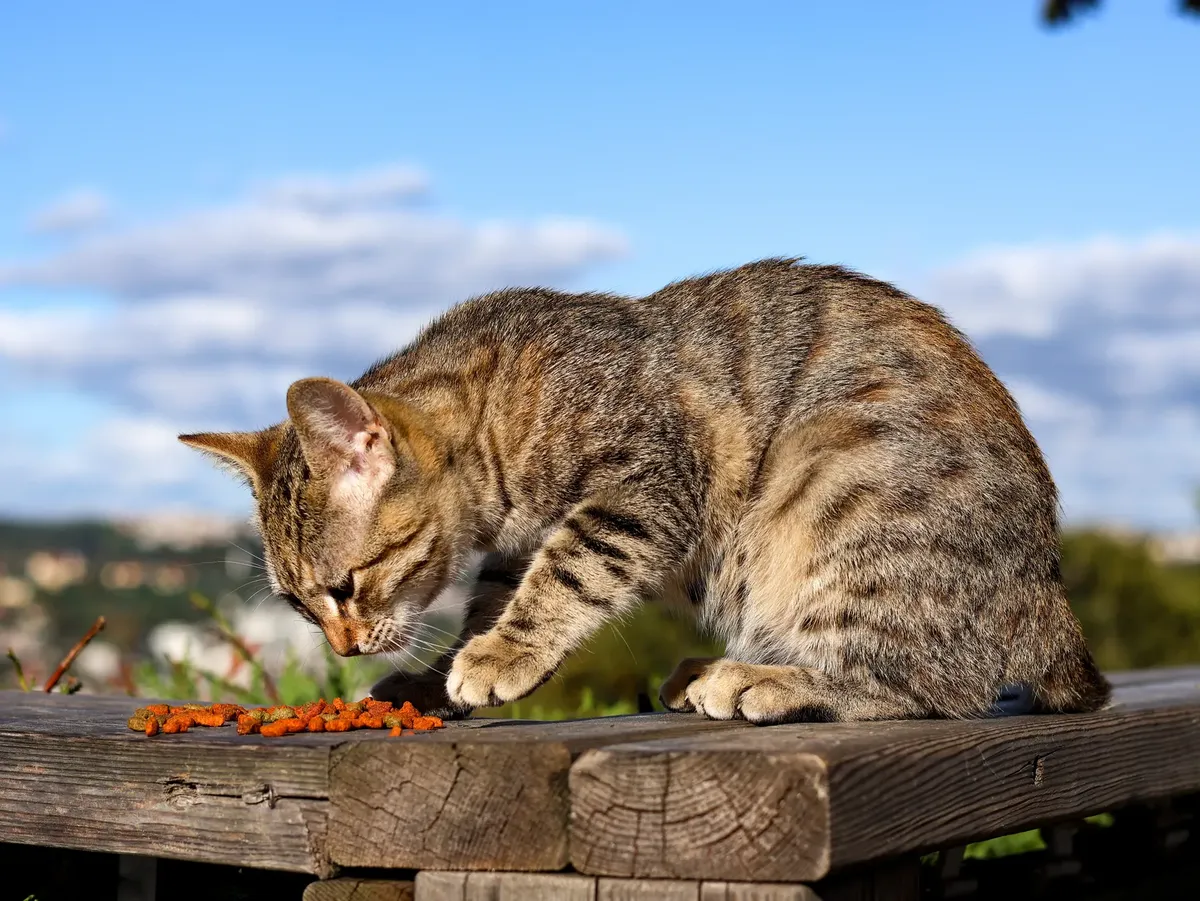
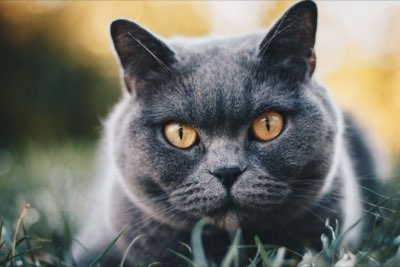
A cat stands by its bowl, looking up expectantly as the morning light hits the kitchen floor. Determining the right portion size begins with understanding the animal's current mass and metabolic needs.
According to the Journal of the American Veterinary Medical Assoc, the low REI for 5-kg cats was lower in weight-management diets.
For an average cat weighing 10–11 pounds (about 5 kg), it would have a resting energy requirement of 180–200 kcal/day. This baseline helps owners establish a starting point for daily feedings.
The Journal of the American Veterinary Association (2025) noted that the low REI for 5-kg cats was lower in weight-management diets. This means that diet composition significantly changes how much energy a cat actually absorbs.
Adjusting cat food intake depends heavily on the specific caloric density of the food being served. Because different formulations vary, owners must account for these variations to prevent obesity.
- Determine the cat's current body condition score.
- Calculate the target weight for optimal health.
- Adjust the daily caloric intake based on the difference between current and target weight.
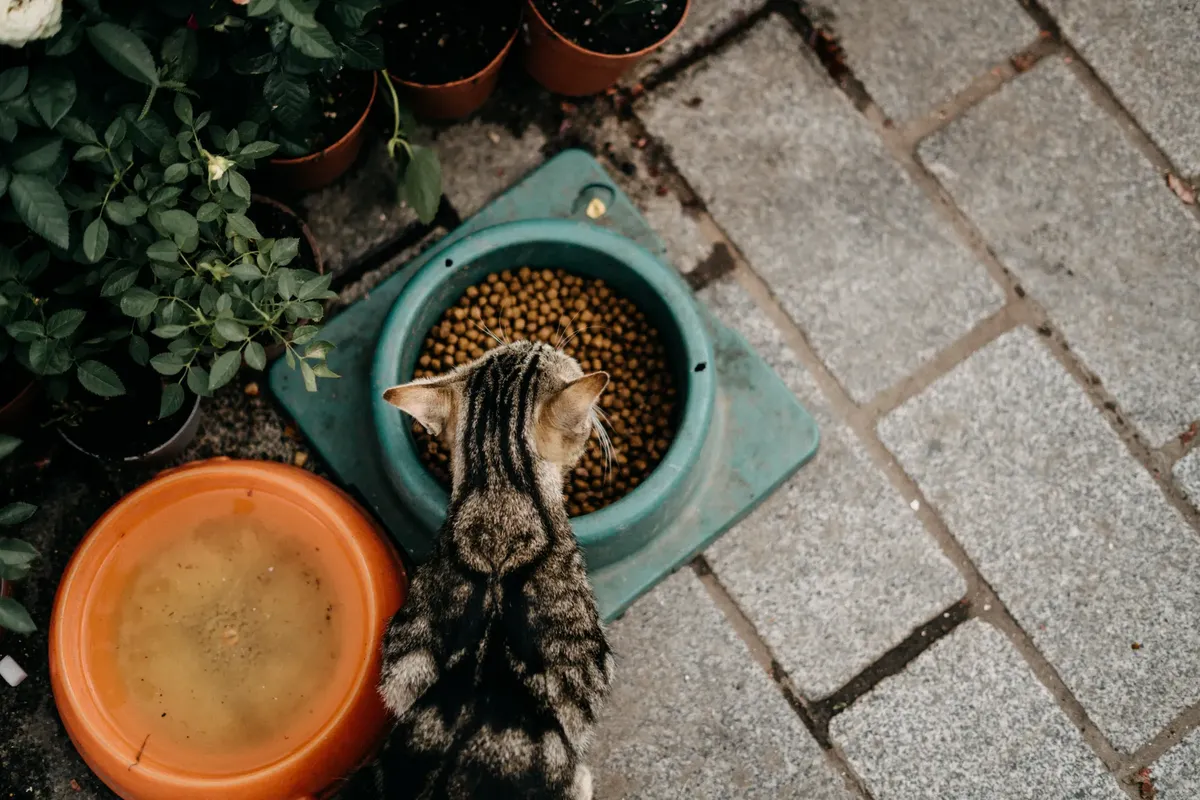
How does fat affect my cat's feeding conversion? Cat feeding 5 percent rule A hand reaches for a bag of kibble, pouring a measured scoop into a ceramic dish. The texture and fat content of the food dictate how much volume is needed to meet energy goals.
High energy diets generally have a fat content greater than 20% on a dry matter basis. Such diets are often used for specific life stages but require careful portioning to avoid overfeeding.
The Journal of Animal Science (2026) reported that on an as-fed basis, pork fat was decreased from 12.3% in the control food to 4.3% in the test food, allowing for the addition of 8% C8 MCTs. This shows how fat levels can be manipulated to accommodate other nutritional additives.
Understanding 5 percent conversion involves recognizing how much energy is delivered per gram of food. When fat content changes, the volume of food must be adjusted to maintain the correct caloric balance.
In this sequence, the second step is the most critical.
How to use 5% conversion for caloric management?
A caregiver sits at a table, calculating the daily needs of a feline companion using a notepad. Managing caloric balance requires a systematic approach to prevent weight fluctuations.
- Determine the resting energy requirement based on the cat's current weight. 2. Adjust the portion size based on the fat percentage and caloric density of the specific food. 3. Monitor the cat's body condition regularly to ensure the intake matches their physical state.
I once had to adjust a kitten's portions after realizing the high fat content meant a small scoop was more than enough. Precise cat food portioning ensures the cat receives necessary nutrients without excess calories.
Optimizing cat nutrition intake requires constant vigilance regarding the ingredients used. A single mistake in measurement can lead to significant weight gain over time.
Can treats actually be part of a healthy diet? A small hand tosses a single crunchy treat across the living room, where a cat waits eagerly. While treats provide mental stimulation, they must be strictly controlled.
A 2004 survey in the US and Australia found 26% of cats received treats on a daily basis. This frequent snacking can easily lead to weight issues if not factored into the total daily calories.
However, not more than 10% of a cat's calorie intake should come from treats. Keeping treats within this limit ensures that the primary nutritional needs are met by the main meals.
| Diet Type | Characteristic |
|---|---|
| High Energy | Fat content > 20% on dry matter |
| Weight Management | Lower REI for 5-kg cats |
What are the standards for cat food quality?
A shopper reads the label on a bag of food in a brightly lit grocery aisle. Understanding labels is essential for ensuring the food is nutritionally complete.
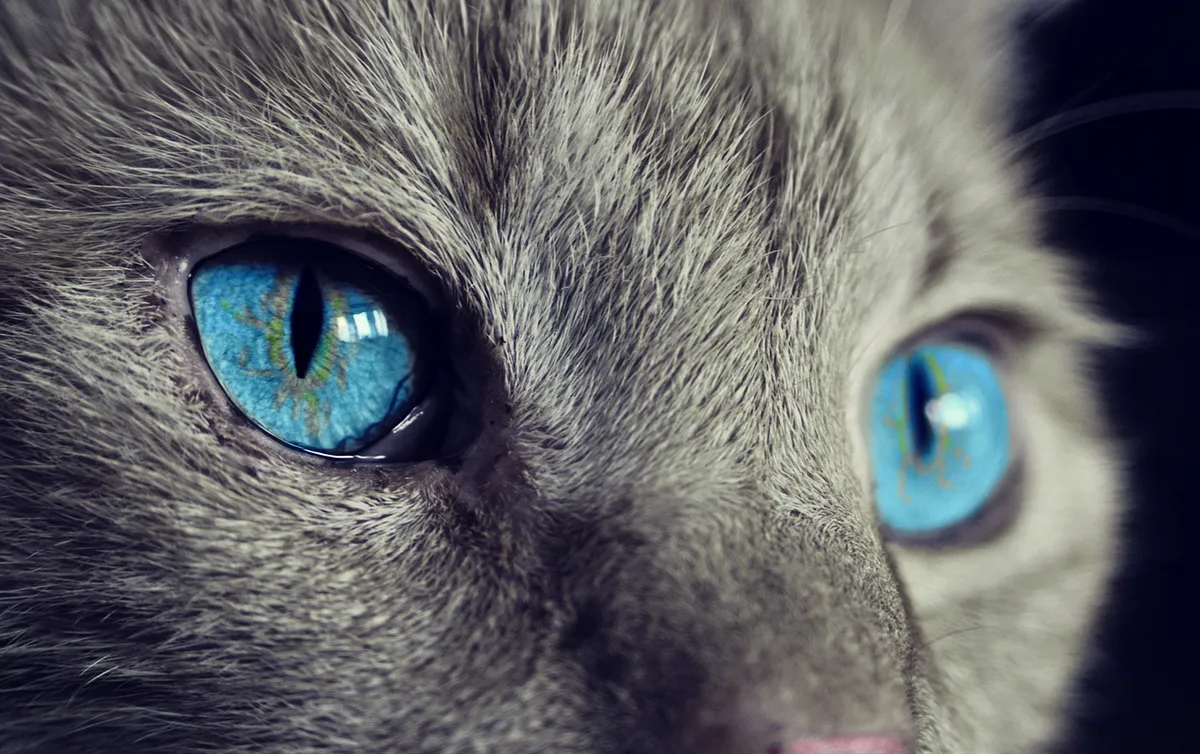
In the United States, cat food using the label "complete and balanced" is required to meet standards that have been established by the Association of American Feed Control Officials (AAFCO) by either meeting a nutrient profile or passing a feeding trial.
This ensures the food provides all necessary elements for health.
Regulations, such as those set by the Association of American Feed Control Officials (AAFCO), ensure that commercially available foods meet specific nutritional standards. Relying on these standards provides a baseline for nutritional safety.
The subject here is Cat feeding 5 percent rule.
The same subject is also called Cat food amount guide.
The same subject is also called Cat feeding conversion rate.
Understanding 5 percent conversion
Related
- Senior dog feeding needs: Guide to energy requirements
- Cat feeding amount by weight: Guide to manage needs
When is weight management necessary for a cat? Weight management becomes necessary when a cat's body condition suggests excess mass, which directly impacts the amount of food it should consume. The Journal of the American Veterinary Association (2025) indicated that the lower resting energy requirement for 5-kg cats in weight-management diets reflects a necessary dietary shift. Owners must monitor the cat's physical state to determine if current intake aligns with its actual needs. According to Frontiers in public health, this 10-fold higher infection rate for cat rabies may be explained by cats' hunting habits and predation.
How do different food compositions affect the amount a cat should eat? The caloric density of the food dictates how much volume a cat should eat to achieve a specific energy goal. Because different formulations vary, owners must account for these variations when calculating portions. High energy diets, characterized by fat content greater than 20% on a dry matter basis, necessitate careful portioning to prevent overfeeding.
When considering treats, the rule states that not more than 10% of a cat's calorie intake should come from those supplemental items. This caution ensures that the main meals provide the necessary nutritional foundation for the cat's health.
Precise cat food portioning ensures the cat receives necessary nutrients without excess calories, which is crucial when determining how much a cat should eat. Adjusting intake based on the specific caloric density prevents obesity, a condition linked to improper feeding.
FAQ
How much of a cat's diet should consist of treats?
Related posts
Senior dog feeding needs: Guide to energy requirements
Cat feeding amount by weight: Guide to manage needs

Dog cat feeding amount guide: Protein needs start at 18%

Comments 0