Senior dog feeding needs: Guide to energy requirements
Managing the nutritional needs of an aging pet requires a careful understanding of how energy requirements shift over time. For owners of senior pets, adjusting food amounts based on metabolic changes is essential to maintain health.
This guide covers how to manage senior pet feeding needs by understanding energy requirements. You will learn how to balance calorie intake, the role of moisture in different food types, and how to manage treats.
This information is intended for pet owners looking to stabilize their pet's weight and health.
How do I calculate senior pet feeding needs?
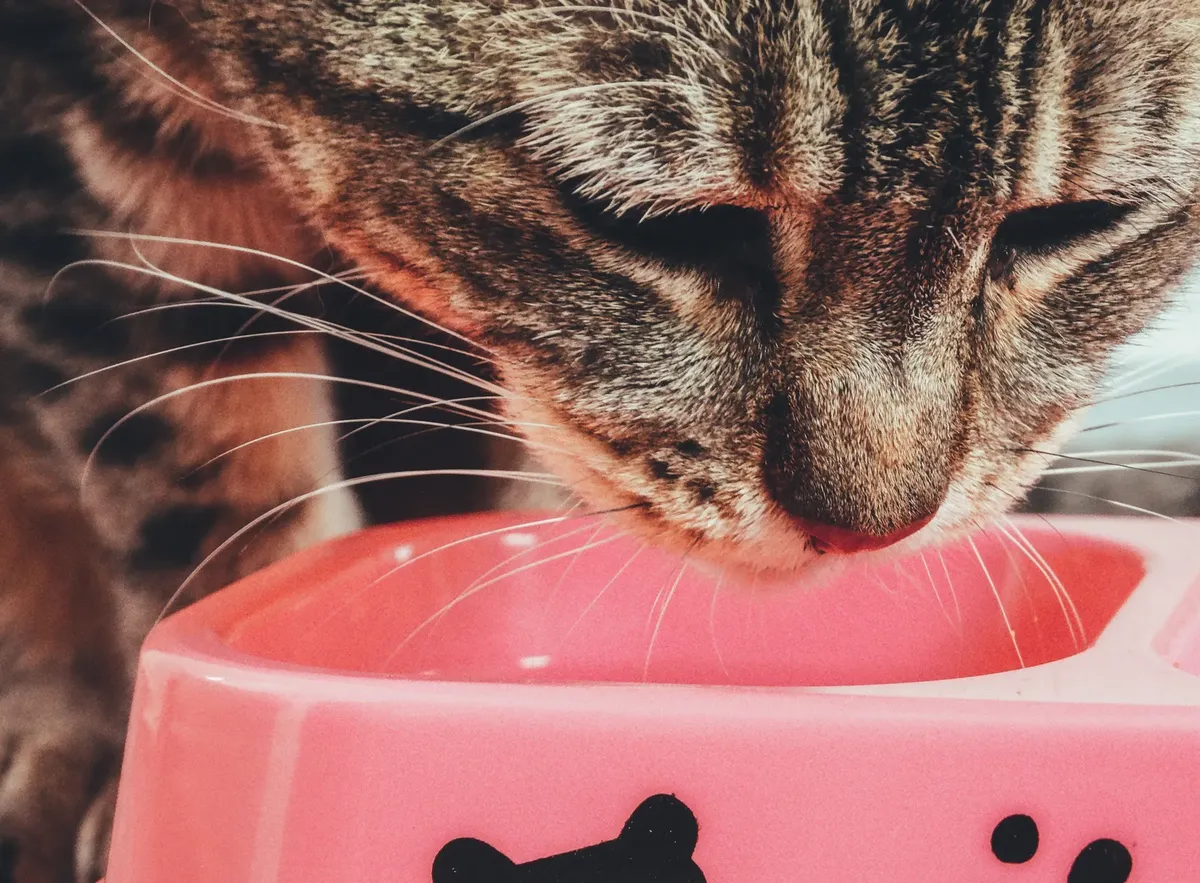
At dawn, a hand trembles slightly while measuring out portions for a senior pet in the dim kitchen.
A hand reaches for a measuring cup to scoop kibble into a ceramic bowl. Determining the right amount of food begins with understanding the resting energy requirement of the animal.
For an average cat weighing 10–11 pounds (about 5 kg), it would have a resting energy requirement of 180–200 kcal/day. This baseline helps owners understand the minimum energy needed to maintain basic bodily functions. Because metabolism changes with age, these feeding amounts must be adjusted.
A bowl of dry food sits on a kitchen counter, its crunch audible in the quiet room. Understanding dog calorie needs often starts with these fundamental energy bas면.
The energy needed to maintain a healthy weight varies significantly based on the animal's current size and activity level. For older animals, these requirements often decrease as activity levels drop.
However, these calculations may be inaccurate if your pet has underlying medical conditions that affect metabolism. 1. Determine the pet's current weight. 2. Assess their activity level. 3. Adjust caloric intake based on these factors.
In this sequence, the first step is the foundation for everything else.
What are the differences between wet and dry food?
In the quiet kitchen, a hand pours thick, wet food into a bowl, feeling the heavy weight of the meal for a senior pet.
A bag of kibble is opened, releasing a faint scent of protein into the air. Comparing different food textures is a common part of managing an old dog food amount.

Dry food typically has an 8–10% moisture content and is generally made by extrusion cooking under high heat and pressure. This process results in a shelf-stable product that is easy to store. Approximately 95% of dry pet foods are extruded.
Wet food offers a different nutritional profile, often serving as a primary source of hydration.
| Food Type | Moisture Content | Typical Packaging |
|---|---|---|
| Dry Food | 8–10% | Bags/Containers |
| Wet Food | 75–78% | Aluminum or steel cans |
In much of Europe, the UK, and the US, canned or wet food generally comes in aluminum or steel cans in 90, 160, and 370 g (3, 5+1⁄2 and 13 oz) sizes. These options can be useful for senior pets needing higher moisture intake.
Note that switching entirely to wet food may increase the risk of dental buildup compared to kibble. This comparison highlights the trade-offs between texture and hydration.
How should I manage treats in a senior pet diet?
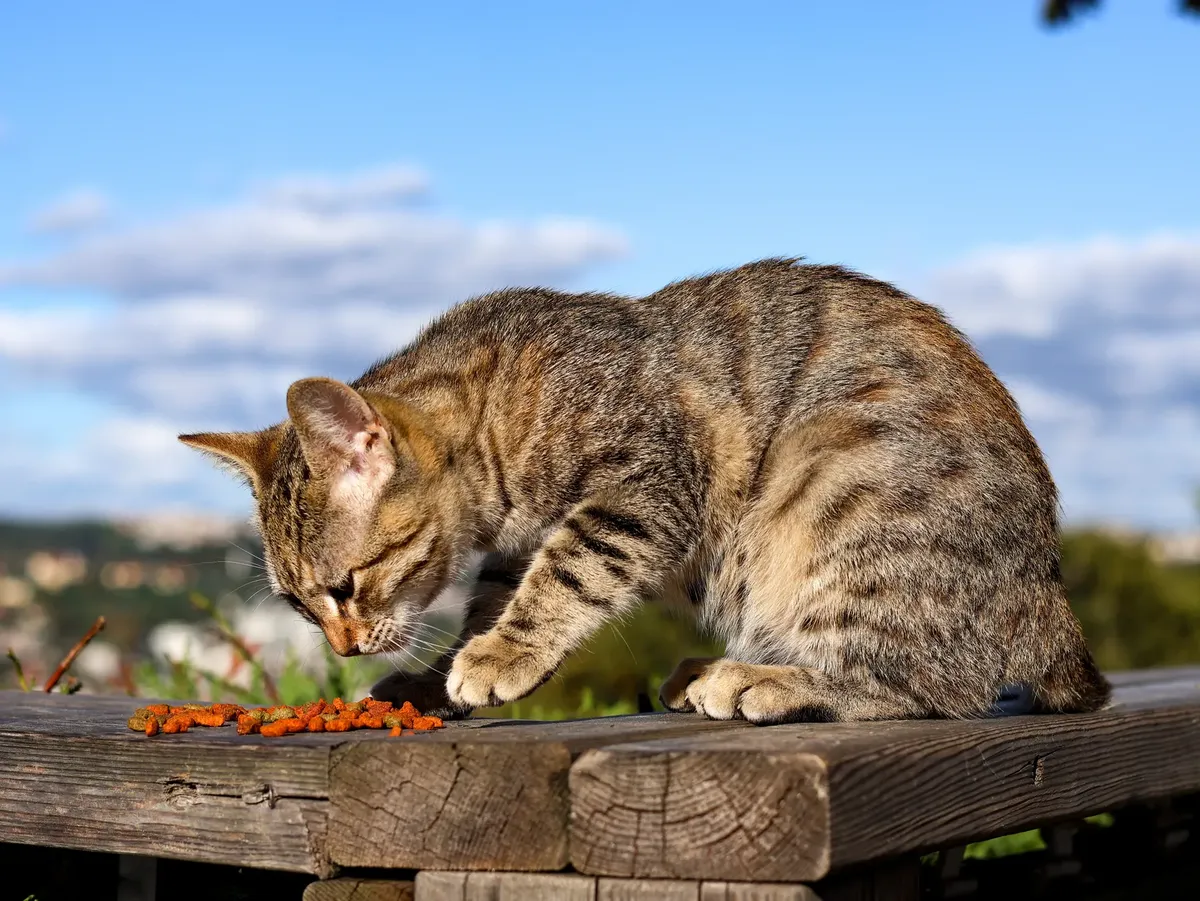
At dusk, a hand reaches into a jar to pull out a crunchy treat for a senior pet while the room remains still.
A small piece of a biscuit is held between fingers, ready to be offered to a waiting pet. A senior pet diet guide must account for the extra calories provided by snacks.
While treats can be a way to bond, they must be carefully controlled to prevent obesity. A 2004 survey in the US and Australia found 26% of cats received treats on a daily basis. This frequency can quickly lead to weight gain if not monitored.
To maintain a healthy weight, it is recommended that not more than 10% of a cat's calorie intake should come from treats. This ensures the primary nutritional needs are met through balanced meals.
This approach does not apply if the treats themselves are highly caloric and not accounted for in the daily total. The second step is crucial for maintaining weight control.
How do I handle specialized dietary requirements?
A veterinarian reviews a chart while a pet owner listens intently. Sometimes, a pet requires more than a standard diet to manage specific health issues.
According to the Association of American Feed Control Officials, cat food using the label "complete and balanced" is required to meet standards that have been established by the Association of American Feed Control Officials (AAFCO) by either meeting a nutrient profile or passing a feeding trial.
In some cases, pets may need specialized nutrition to manage medical conditions. A 2004 survey in the US and Australia found 3.6% of cats were fed therapeutic diets. These diets are designed to address specific health concerns under professional guidance.
When adjusting food for older dogs or cats, owners should look for specific labels to ensure quality.
In the United States, cat food using the label "complete and balanced" is required to meet standards that have been established by the Association of American Feed Control Officials (AAFCO) by either meeting a nutrient profile or passing a feeding trial.
These guidelines are not a substitute for professional veterinary advice regarding specific medical diagnoses. This section focuses on general dietary management.
What are the steps for successful feeding?

A hand carefully weighs a portion of food on a digital scale. Following a consistent routine helps maintain stability in an aging pet's weight.
- Determine the resting energy requirement based on the pet's current weight. 2. Select a food type, such as dry or wet, that meets the pet's hydration and texture preferences. 3. Monitor the daily calorie intake to ensure treats do not exceed 10% of the total.
I once found that switching to smaller, more frequent portions helped my senior cat transition more easily to a new diet. A final check involves monitoring the pet's body condition to ensure the calories provided match their physical needs.
- How do I calculate senior pet feeding needs?
- What are the differences between wet and dry food?
- How should I manage treats in a senior pet diet?
Related
- Cat feeding amount by weight: Guide to manage needs
- Dog cat feeding amount guide: Protein needs start at 18%
When should I consider a dietary change for my senior pet? 1. Owners should observe changes in the pet's body condition to gauge if the current nutritional management is effective. 2. If the pet exhibits signs of weight gain or loss, adjusting the food amounts based on metabolic changes becomes necessary. 3. Observing the pet's overall health provides cues regarding whether the current feeding plan supports their needs.
When considering a dietary change, comparing the pet's current intake against established energy requirements is a prudent step. This comparison helps determine if the pet's caloric intake aligns with their reduced activity level common in older animals.
Maintaining proper nutritional balance is key during these adjustments.
Sudden dietary changes may not be appropriate if the pet is currently undergoing acute medical treatment. This timing depends on the pet's immediate health status.
How does moisture affect senior pet nutrition? Wet food provides a higher moisture content compared to dry food, which is particularly beneficial for senior pets. This increased hydration can aid in overall bodily function when the pet's water intake naturally decreases. The choice between food types should consider the pet's hydration needs alongside their caloric requirements.
Managing the nutritional needs of a senior pet involves assessing how food type impacts hydration. The comparison between the 75–78% moisture in wet food and the 8–10% in dry food highlights this difference. This consideration is vital for maintaining the pet's systemic health.
FAQ
How much of the diet should consist of treats?
Related posts
What 5 kg is the role of fat in cat feeding conversion rate?

Cat feeding amount by weight: Guide to manage needs

Dog cat feeding amount guide: Protein needs start at 18%




Comments 0