Allergy diet portion guide: Tips for safe feeding
"Managing a pet's dietary restrictions requires precision to ensure they receive adequate nutrition without triggering an inflammatory response."
This allergy diet portion guide is for pet owners managing food sensitivities through strict elimination diets or novel protein sources.
How to calculate allergy diet portions?
At midnight in the quiet kitchen, you squint at the scale while weighing out the allergy food.

Since allergy-specific foods often differ in fat and protein concentrations from standard kibble, using a simple volume measurement like a measuring cup can lead to significant caloric errors.
Calculating the correct amount requires converting the pet's weight into a caloric target, then dividing that target by the calories per gram listed on the specific allergy food packaging.
Because these diets are often formulated with higher concentrations of specific nutrients to compensate for the lack of variety, overfeeding is a common risk. I have found that weighing food in grams provides much better accuracy than using scoops when managing strict dietary changes.
An Allergy Diet Portion Guide for Safe Feeding
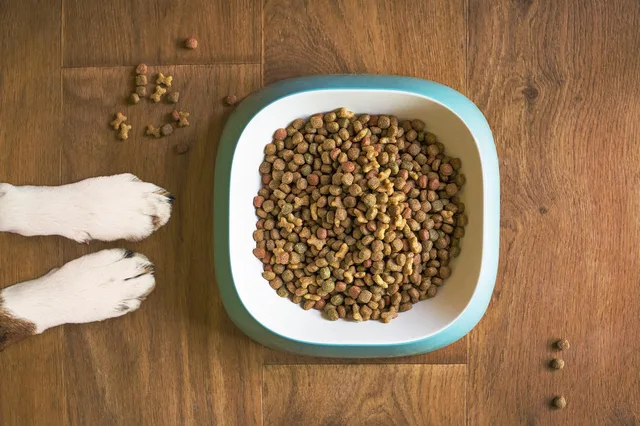
A bowl of specialized hydrolyzed protein sits under the bright kitchen light as you prepare the first meal of the day. Implementing safe allergy feeding requires a structured approach to prevent accidental exposure to allergens while maintaining weight stability.
- Establish a baseline weight and body condition score before starting the new diet to track progress accurately. 2. Transition to the new food using a gradual mixing method over seven to ten days to prevent gastrointestinal upset. 3. Use a digital scale to measure every meal in grams, cross-referencing the amount with the caloric density of the specific allergy food.
Perform a final check by verifying that no treats, supplements, or table scraps contain ingredients from the restricted list.
How can I compare allergy diet portions?
A notebook lies open next to two different bags of specialty food, one a hydrolyzed protein formula and the other a novel protein recipe. When managing an allergy diet, comparing the energy density of different products is essential for portion control.
| Food Type | Caloric Density (Example) | Primary Use |
|---|---|---|
| Hydrolyzed Protein | High density per gram | Severe sensitivities |
| Novel Protein | Moderate density per gram | Mild sensitivities |
Standardizing these measurements allows for a consistent allergy meal calculation regardless of the brand used. Using this method helps prevent the gradual weight gain often seen when owners rely on visual estimates.
How to implement an allergy meal calculation?
The refrigerator door swings open as you pull out a container of freshly prepared, single-ingredient boiled chicken for a sensitive pet. Applying an allergy meal calculation to home-cooked or fresh-cooked diets is more complex than using commercial kibble.

For home-prepared meals, you must balance macronutrients using specific ratios of protein, fat, and carbohydrates to ensure the diet is complete and balanced. One must use a precise recipe that accounts for the specific caloric contribution of each ingredient used in the preparation.
I personally use a digital scale for every single component to ensure the fat-to-protein ratio stays within the target range.
What are the rules for safe allergy food guide management?
A pet waits patiently by the pantry as you carefully select a single-ingredient treat that matches their current elimination diet. Following a safe allergy diet portion guide means eliminating all "hidden" ingredients that might cause a flare-up.
This process involves auditing every chew, dental snack, and supplement to ensure they do not contain common allergens like beef, dairy, or grain. Even a small amount of a forbidden ingredient can reset the progress of an elimination diet.
Maintaining a strict list of approved items is the most effective way to ensure the success of the feeding plan.
Is there a limitation to these feeding methods?
A heavy rain falls outside the window as you observe your pet's energy levels after a week on a new diet. The effectiveness of these calculations is limited when a pet has underlying metabolic issues that alter their baseline caloric needs.
- Calculating an allergy diet portion guide involves matching a pet's metabolic needs with the specific caloric density of limited-ingredient foods.
- You must monitor body condition scores closely, follow a strict ingredient exclusion protocol, and recognize that nutritional density varies significantly between specialized allergy formulas.
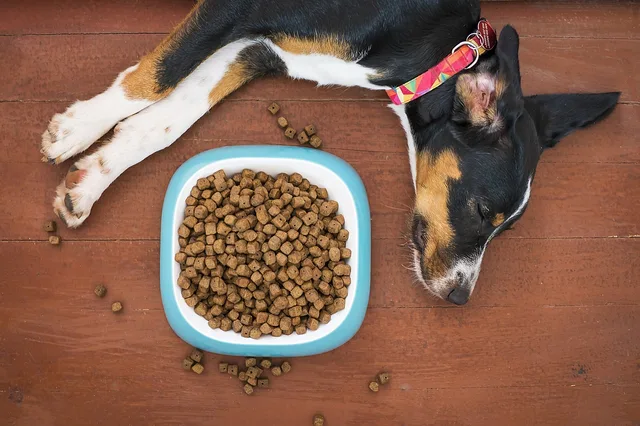
- A kitchen scale sits on the counter as you weigh out precise portions of a novel protein kibble for a small dog.
What happens if the transition is too fast?
- A sudden shift in the pet's dietary intake can cause immediate digestive distress. 2. The gradual mixing method over seven to ten days is specifically designed to mitigate this adverse reaction. 3. This slow introduction allows the pet's system to adjust to the new food's composition while managing the dietary transition.
When managing a pet's dietary restrictions, a rapid change in the food source puts stress on the digestive tract. The article warns that gastrointestinal upset is a known consequence of insufficient transition time.
Therefore, owners must adhere to the prescribed schedule to safeguard the pet's comfort during the dietary shift.
What precautions should be taken when managing dietary changes?
- Owners must monitor body condition scores closely throughout the entire process of managing dietary restrictions. 2. A strict ingredient exclusion protocol needs to be followed without deviation. 3. Recognizing that nutritional density varies significantly between specialized allergy formulas is a necessary condition for success.
When managing dietary restrictions, the owner must remember that the initial establishment of a baseline weight is crucial for subsequent tracking. This initial measurement allows for a comparison against future weight stability achieved through the new feeding regimen.
Adhering to the established exclusion protocol prevents accidental ingestion of triggers.
Furthermore, the comparison between different food types highlights the need for caution regarding caloric intake. Because the density changes, the calculation must account for these variations to avoid unintended weight shifts during managing dietary restrictions.
Based on the retained excerpt mentioning Environmental science & technology: Intravenous exposure to MPs resulted in reduced fertility and abnormal sex ratio in mouse offspring ( P < 0.05).
Based on the retained excerpt mentioning Environmental science & technology: Intravenous exposure to MPs resulted in reduced fertility and abnormal sex ratio in mouse offspring ( P < 0.05).








Comments 0