Dog feeding amount guide: 10% rule for dog diet tips
"Maintaining the right balance between treats and meals is essential for long-term vitality."
This dog feeding amount guide explains how to use the ten percent rule to ensure treats do not disrupt your pet's primary nutritional intake. By limiting snacks to a small fraction of daily calories, you prevent weight gain and nutrient imbalances.
This approach is best for owners wanting to reward behavior without compromising health, though it may not account for specific medical dietary requirements.
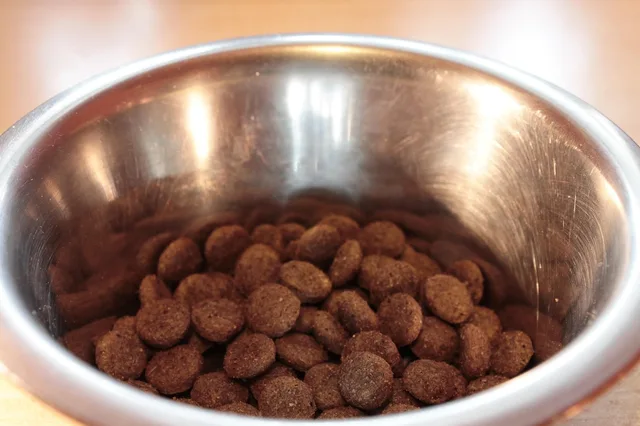
* Limit treats to 10% of daily caloric intake. * Prioritize nutrient-dense primary meals. * Monitor body composition changes regularly.
How can I use the ten percent rule for dog diet?
At dusk in the quiet kitchen, I carefully measure out a tiny portion for feeding while feeling the dry texture of the treats against my palm.
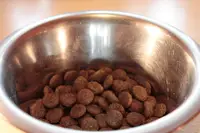
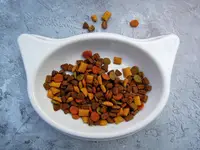
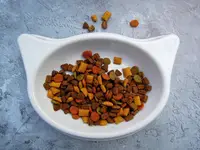
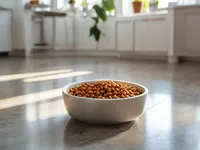
I stand in my kitchen, holding a small bag of dried liver treats while looking at the kibble in my dog's ceramic bowl. To implement the ten percent rule for dog diet, you must first calculate the total daily calories your pet needs based on their activity level and weight.
Once you have that total, you set aside exactly ten percent of those calories for treats and supplemental snacks.
The remaining ninety percent must come from a complete and balanced primary food source to ensure all vitamins and minerals are met. I find that measuring the treats in a small measuring spoon helps keep the portions exact during evening training sessions.
This method prevents the accidental overfeeding that often occurs when treats are given loosely from the bag.
- Determine your dog's daily caloric needs based on their weight and activity level.
- Calculate ten percent of those total calories.
- Use that amount to allocate treats throughout the day.
How can I balance my dog's nutrition?
At noon in the sunlit kitchen, I carefully stir the nutrient-dense kibble while following a dog feeding amount guide to ensure my dog receives a balanced meal. I watch my golden retriever eagerly waiting by the pantry door as I prepare his midday meal. Effective dog nutrition balance tips involve looking at the relationship between different food components and how they affect physical health.
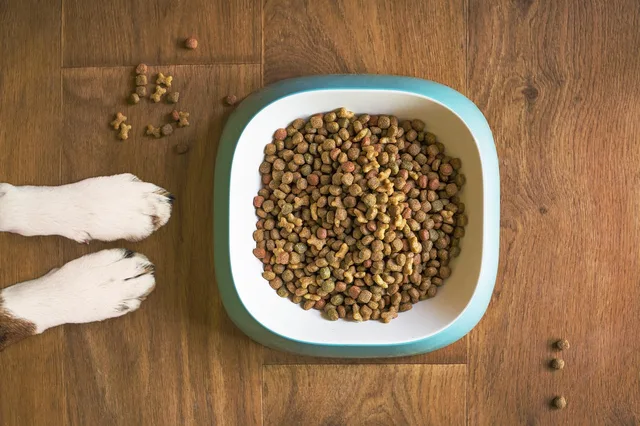
For example, the way a diet influences body composition can be quite specific depending on the ingredients used.
According to the Journal of Animal Science (2014), body composition responded in a quadratic manner to increased dietary SBM inclusion, where the percentage of lean mass responded positively and absolute amounts of fat mass and percent body fat responded negatively.
This demonstrates that even small shifts in dietary components can change how a pet carries weight. Monitoring these shifts is a vital part of maintaining a healthy lifestyle for your animal.
In this sequence, the second step is the longest.
Dog Feeding Amount Guide
As evening falls in the dining room, I feel the weight of the heavy bag while feeding the precise amount of food into the bowl. I sit at the dining table with a calculator and the nutritional label of a new bag of grain-free kibble. If you want to know how to calculate dog food, you must transition from looking at volume to looking at caloric density.
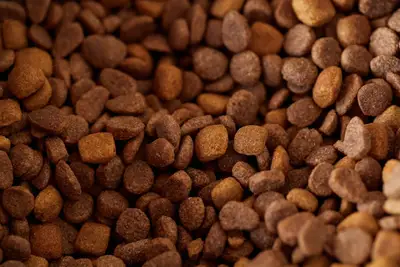
Measuring by cups can be deceptive because different brands have different weights and air gaps within the kibble.
The most reliable way to manage portions is to use a digital kitchen scale to weigh the food in grams. This precision allows you to track the exact caloric load being delivered to the pet throughout the day.
By knowing the calories per gram, you can easily subtract the 10% treat allowance from the total daily target.
Is there a way to ensure proper dog portion size?
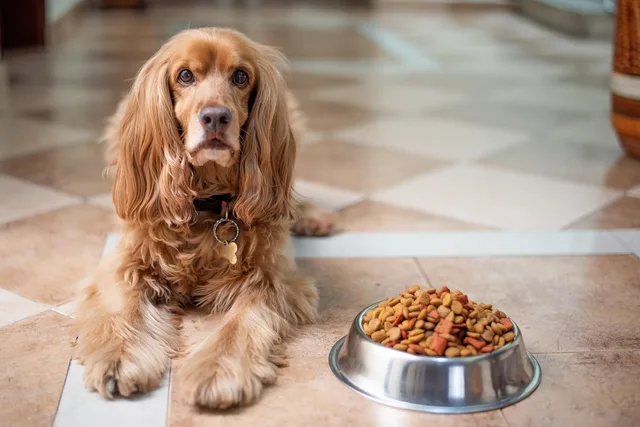
I walk through the local park in the bright morning sun, observing how different dogs carry themselves as they run. Achieving a proper dog portion size requires constant adjustment based on the pet's current physical condition and seasonal activity levels.
A dog that is highly active in the summer may require a different caloric distribution than one resting during a cold winter.
| Component | Percentage of Daily Calories | Primary Goal |
|---|---|---|
| Main Meals | 90% | Nutrient Completeness |
| Treats/Snacks | 10% | Behavioral Reward |
I compare the daily totals to ensure the weight of the food matches the caloric goals set by a professional. This comparison helps me realize when a treat is becoming too large relative to the main meal.
How do I implement a feeding plan?
I open the cupboard to organize the various containers holding specialized treats and daily meal portions. To apply the ten percent rule effectively, follow these specific steps to maintain consistency.
- Determine the total daily caloric requirement for your pet's specific weight and age. 2. Calculate the 10% threshold by multiplying the total calories by 0.10. 3. Subtract that 10% value from the total calories to find the amount allowed for the main meal.
After setting these numbers, perform a final check by weighing the food for three consecutive days to ensure no "extra" handfuls are being added during play sessions. I personally use a small dedicated container for the daily treat allowance to avoid any guesswork.
What are the limitations of this method?
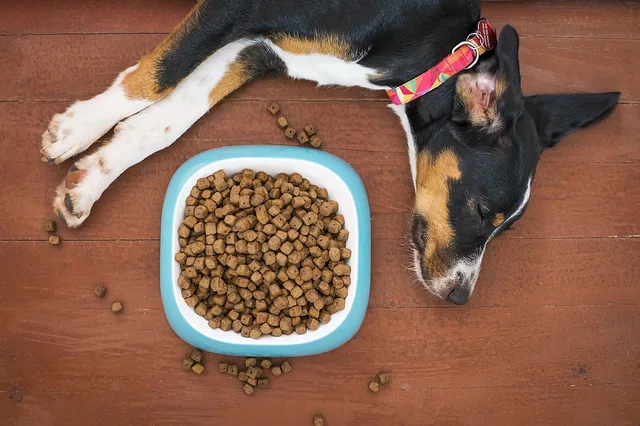
I look at the complex ingredient list on a specialty raw food bag while contemplating my pet's diet. This method is a general guideline and may not be appropriate for pets with specific metabolic disorders or those on medically prescribed diets.
According to the British Small Animal Veterinary Association, the 2016 British Small Animal Veterinary Association Congress discussed the health implications and nutritional balance of raw feeding.
Furthermore, the effectiveness of the ten percent rule depends entirely on the owner's ability to accurately track every morsel consumed.
Using the ten percent rule helps maintain a steady nutritional foundation by balancing dog intake with ten percent of their daily calories, while still allowing for the social benefits of rewarding your pet. By treating the main meal as the primary source of health and the treats as a minor supplement, you protect your dog's physical stability.

Comments 0