What are the specific cake ingredients for cats to avoid?
"A single bite of a sugary dessert might seem harmless, but for a feline, the ingredients hidden in a slice of cake can trigger serious biological distress."
Feeding cake to cats is dangerous because most recipes contain high levels of sugar, dairy, and potentially toxic additives like chocolate or xylitol that a cat's digestive system cannot process.
Owners should avoid giving any human desserts to their pets to prevent acute gastrointestinal upset or metabolic emergencies. This guide covers the primary risks of cat eating cake, the specific ingredients to watch for, and the necessary steps for emergency care.
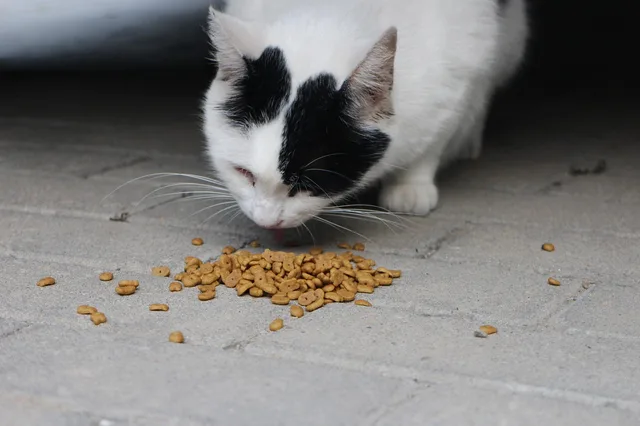
* High sugar content leads to rapid insulin spikes. * Dairy components in frosting cause severe digestive issues. * Hidden toxins like chocolate or xylitol are life-threatening. * Immediate veterinary intervention is required if ingestion is suspected.
Why is cat eating cake risks so high?
A cat sits by the kitchen table, watching a slice of vanilla sponge cake being moved from a plate to a napkin. The scent of butter and sugar fills the air, but what the cat perceives as an enticing aroma is actually a chemical mismatch for its biology.
The primary danger stems from the metabolic design of the feline body. Cats are obligate carnivores, meaning their systems are optimized for protein and fat rather than the carbohydrates and sugars found in baked goods.
When a cat consumes cake, the high sugar concentration can lead to immediate digestive distress. Furthermore, many cakes utilize dairy products in the sponge or frosting, which many adult cats cannot tolerate due to lactose sensitivity.
The risks are compounded by the sheer density of calories in a small portion. Because an adult domestic cat typically weighs 4–5 kg (8.8–11.0 lb), even a small fragment of cake represents a disproportionately large amount of sugar relative to their body mass.
This can cause rapid fluctuations in blood glucose levels.
However, the severity of the risk may vary depending on the specific type of cake consumed.
What are the specific cake ingredients for cats to avoid?
You pull a piece of chocolate fudge cake away from the edge of the counter, noticing the dark, rich crumb and the gritty texture of the sugar.
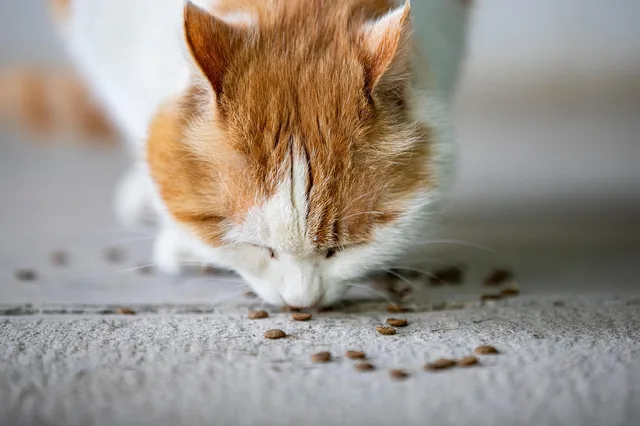
You pull a piece of chocolate fudge cake away from the edge of the counter, noticing the dark, rich crumb. You realize that even the smallest crumb could contain elements that disrupt a pet's health.
Identifying cake ingredients for cats is the most critical step in preventing poisoning. While plain flour and sugar are problematic for long-term health, certain additives are acutely toxic. Chocolate is a major concern because it contains methylxanthines, which are highly dangerous to felines.
Additionally, many modern sugar substitutes, such as xylitol, are lethal even in tiny amounts.
| Ingredient Type | Primary Risk | Impact on Feline |
|---|---|---|
| Chocolate | Methylxanthines | Neurological and cardiac distress |
| Xylitol | Hypoglycemia | Severe blood sugar drop |
I once observed a pet owner nearly offer a piece of fruitcake, only to realize the raisins inside were a significant hazard. This highlights why understanding the composition of the dessert is vital.
However, the danger level depends on the concentration of these ingredients in the recipe.
How to manage cat cake toxicity emergencies?
At midnight, you clutch your chest in the dark living room as you realize the cat swallowed the sugar.
The clock ticks loudly in the living room as you notice your cat acting lethargic after sniffing a fallen piece of cake. You grab your phone to check for emergency contact numbers, feeling the urgency of the situation.
If you suspect your pet has consumed a dangerous ingredient, follow these steps:
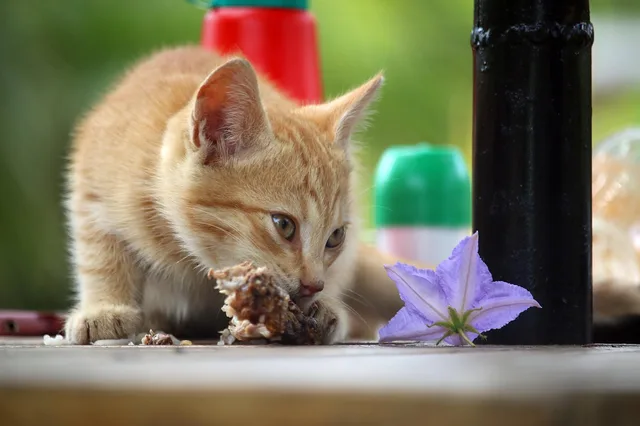
- Identify the exact ingredients in the cake, specifically looking for chocolate, xylitol, or raisins. 2. Contact a veterinary professional immediately to describe the amount consumed and the time of ingestion. 3. Monitor the cat for symptoms such as vomiting, tremors, or unusual hyperactivity.
A final check involves ensuring you have the physical cake or its packaging ready to show the veterinarian, as this helps them identify specific toxins quickly.
- Contact your veterinarian or an emergency animal clinic immediately.
- Identify the exact ingredients your cat consumed.
- Monitor your cat for any sudden changes in behavior or physical symptoms.
In this sequence, the first step is the most critical.
What are the long-term cat cake side effects?
A cat rests on a sunlit rug, appearing calm, but the underlying metabolic shifts from a recent dietary indiscretion remain a concern. The immediate reaction is often the most visible, but the internal impact can linger.
The cat cake side effects often manifest as gastrointestinal upset, including vomiting or diarrhea, due to the sudden influx of fats and sugars. For cats with underlying conditions, the sugar spike can exacerbate metabolic issues.
While an acute event might pass, repeated exposure to human sweets can contribute to obesity and diabetes.
It is important to note that while cats have an acute sense of smell, with an olfactory mucosa area about 5.8 cm2 (0.90 in2) that is about twice that of humans, a pleasant smell does not equate to nutritional safety.
However, these effects may not be immediately apparent after a single exposure.
Is cake safe for cats in small amounts?
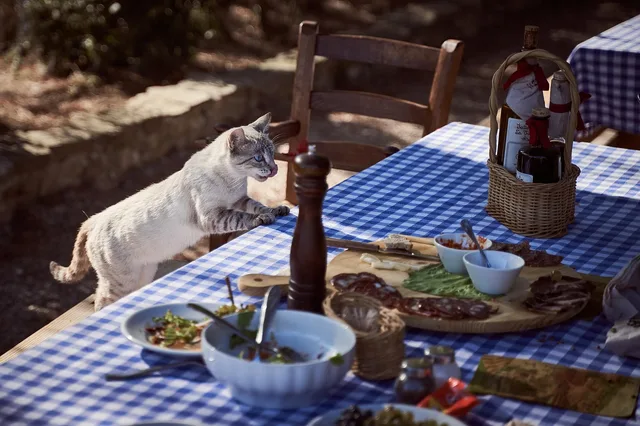
You hold a tiny crumb of a plain biscuit, wondering if a single morsel would cause any harm to your pet. The temptation to share a celebratory moment is strong, but the biological reality is rigid.
Is cake safe for cats? Generally, the answer is no. Even if a cake is "plain," the lack of feline-appropriate nutrients means it offers no benefit and carries the risk of upsetting the digestive tract.
The concentration of ingredients is simply not suited for a creature designed for a high-protein diet.
The risk is especially high if the cake contains any form of dairy or artificial sweeteners. Even a tiny amount of a highly toxic ingredient like xylitol can be fatal, regardless of the cake's overall size.
However, even a tiny amount can be dangerous if it contains highly toxic ingredients like chocolate.
How can owners prevent accidental ingestion?
Preventing accidental ingestion requires keeping all human desserts, including cake, in secure containers away from feline reach. Since a single bite can trigger distress, ensuring that no crumbs or fragments remain on counters or floors is a necessary precaution.
If you are preparing a dessert, compare the ingredients list against known feline toxins like chocolate or xylitol before serving. This comparison helps you identify if any part of the recipe poses a metabolic emergency.
Always monitor your cat during social gatherings where food is present. A cat might attempt to scavenge a fallen piece, so maintaining a clear floor is a vital condition for safety.
However, these preventative measures may not be effective if food is left in easily accessible areas.
Wikipedia: BluePearl Specialty and Emergency Pet Hospital (full) Based on the retained excerpt mentioning Veterinary Specialists and Cancer Treatment Center: In 2008, it merged with NYC Veterinary Specialists and Cancer Treatment Center in New York City and Veterinary Specialty and Emergency Center in Kansas City, creating BluePearl Specialty and Emergency Pet Hospital.



Comments 0