Cat foods guide 25 best tips identify toxic ingredients
This guide helps cat owners identify toxic ingredients and manage potential food sensitivities. You will learn which common household items are dangerous, how to perform a basic allergy check, and what to avoid when selecting new treats. This information is essential for preventing acute poisoning and long-term digestive distress.
* Identify highly toxic human foods for cats. * Recognize signs of food allergies and sensitivities. * Learn steps to transition food safely. * Understand the limitations of home-based ingredient checks.
Which foods could kill my cat?
At midnight in the dim kitchen, you shudder as you realize the bowl of toxic foods is within reach of your pet.
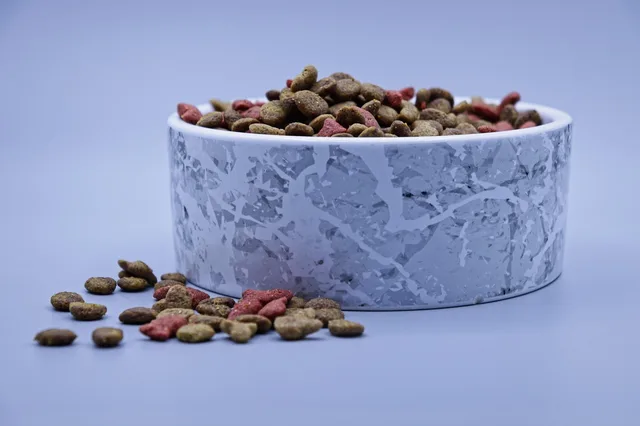
A cat sits by the kitchen counter, watching a piece of cooked salmon or a stray grape roll across the floor, a moment that highlights the importance of a cat forbidden foods guide. Preventing ingestion of these items is the first priority for any responsible pet parent.
Toxic foods for cats include items like chocolate, onions, garlic, and grapes, which can cause severe physiological distress.
Many owners mistakenly believe that because certain foods are "natural," they are safe for feline consumption. However, the metabolic pathways of cats are highly specialized, making them vulnerable to substances that humans process easily and dictating what cats should not eat.
For instance, onions and garlic can damage red blood cells, leading to serious anemia.
To maintain a safe environment, you must treat the kitchen as a restricted zone for your pet. Keep all seasoning containers, processed snacks, and raw produce in sealed cabinets. Monitoring your cat's reaction to any accidental nibble is critical for early intervention.
- Remove all toxic items from reach.
- Monitor for signs of ingestion.
- Contact a veterinarian immediately.
How to manage a cat allergy check list?
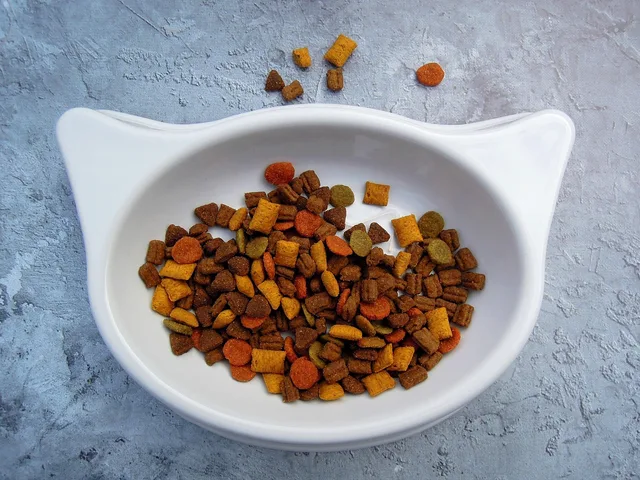
The cat allergy check list begins with observing your pet during and after mealtime. You watch your cat scratch at its ears or lick its paws repeatedly after eating a specific protein source. Identifying these patterns is the only way to narrow down problematic ingredients.
Food allergies often manifest through skin irritation, such as redness or excessive itching, rather than just stomach upset. You might notice chronic ear infections or gastrointestinal issues like vomiting or diarrhea.
These symptoms often appear shortly after the introduction of a new protein or grain.
When managing these reactions, focus on the following: 1. Identify new ingredients introduced in the last few weeks. 2. Note any sudden changes in skin condition or stool consistency. 3. Monitor for repetitive grooming behaviors or localized swelling.
I once noticed my own cat scratching her chin intensely every time I offered a specific brand of tuna treats, which led me to investigate the additives used in that recipe.
I find that the second step is the longest.
How can I tell if pet food ingredients are good?
You pick up a bag of kibble and squint at the fine print on the back of the packaging. To analyze pet food ingredients, you must look past the marketing claims and focus on the specific order of components. The first few items listed represent the bulk of the product's composition.

A high-quality diet should prioritize identifiable animal proteins rather than vague "meat by-products." When you check protein and fat levels, ensure they meet the specific life-stage requirements for your cat. High ash content or excessive fillers can also indicate a lower-quality formulation.
| Ingredient Type | Primary Focus | Potential Concern |
|---|---|---|
| Animal Protein | Whole meats, meat meals | Generic "meat" or "by-products" |
| Carbohydrates | Limited, digestible sources | High concentrations of corn or wheat |
To calculate proper feeding amounts, always refer to the caloric density provided by the manufacturer. This ensures your cat receives adequate nutrition without unnecessary weight gain.
What are the steps for safe food transitions?
The cat moves toward a new bowl of food, sniffing the unfamiliar scent with cautious curiosity. Transitioning food requires patience to prevent digestive upset during the changeover. You should never switch a cat's diet overnight, as this can trigger immediate vomiting.
Follow these steps to ensure a smooth transition: 1. Mix 25% of the new safe food for feline pets with 75% of the old food for several days. 2. Increase the ratio to 50% new and 50% old for the next stage. 3. Move to 75% new and 25% old before completing the switch to 100% new food.
This gradual process allows the cat's gut microbiome to adjust to the new nutrient profiles. Always monitor for any signs of lethargy or changes in appetite during these stages.
What is the limit of home ingredient monitoring?
A pet owner sits at a table with a magnifying glass, studying every single chemical name on a label. While being vigilant is helpful, there is a limit to what can be determined through observation alone. Home monitoring cannot replace professional diagnostic tools.
Certain sensitivities are microscopic or chemical-based and do not show obvious signs until a crisis occurs. If your cat shows signs of severe distress, such as difficulty breathing or extreme lethargy, immediate veterinary intervention is required.
The effectiveness of this guide is limited to identifying common dietary triggers and managing gradual transitions; it cannot diagnose underlying medical conditions or replace professional veterinary advice.
Identifying forbidden foods through a cat forbidden foods guide and managing allergies is a continuous process of observation and careful ingredient selection. Regular monitoring of your cat's skin, coat, and digestive health remains the most effective way to ensure their diet supports their long-term well-being.







Comments 0