Salmon oil role in feed guide for better health outcomes
"The use of omega-3 PUFA is effective in patients with diagnosis of MDD and on depressive patients without diagnosis of MDD."
You should focus on high-quality sources, be aware of label inaccuracies, and note that effects can vary based on species.
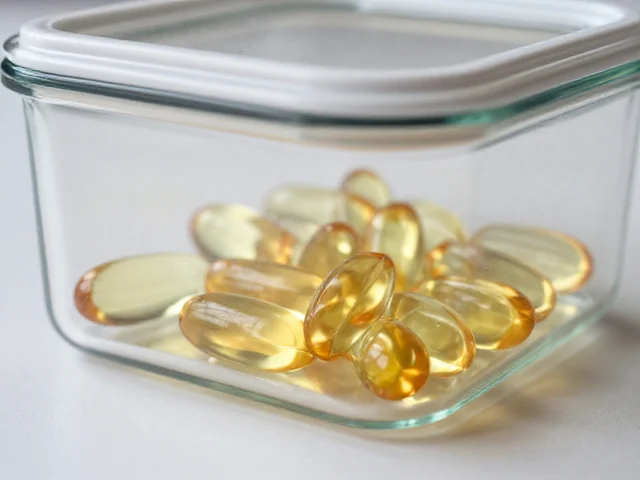
* * Farmed Atlantic salmon contains 13.4g of fat per 100g, while wild salmon contains 6.34g. * Label accuracy for EPA/DHA content varies across different supplement brands. * The bioavailability of both capsular and emulsified oils remains high.
How does salmon oil affect feed and nutrition?
A researcher examines a sample of nutrient-dense feed, noting the oily texture of the ingredients. Fishmeal and fish oil act as the principal sources of omega-3 long-chain polyunsaturated fatty acids, such as eicosapentaenoic acid (EPA) and docosahexaenoic acid (DHA), in animal feed.
The dietary role of salmon oil involves providing precursors to certain eicosanoids that are known to reduce inflammation in the body and improve hypertriglyceridemia. These fatty acids are essential components in many biological systems.
According to technical data, the most widely available dietary source of EPA and DHA is cold-water oily fish, including salmon, herring, mackerel, anchovies, and sardines.
The nutritional evidence for fish oil shows that fatty fish intake, particularly salmonid species, is significantly associated with an increase in serum EPA and DHA levels. Different species offer varying profiles.
How do nutrient profiles differ between fish types? salmon oil role in feed
Under the bright kitchen lights, the chef sliced the wild salmon and felt the cold moisture on his skin.
A chef prepares two different fillets, one from a farmed Atlantic salmon and one from a wild salmon, placing them on a scale. The composition of these oils depends heavily on the specific environment and species of the fish.
| Nutrient (per 100g) | Farmed Atlantic Salmon (Raw) | Wild Atlantic Salmon (Raw) |
|---|---|---|
| Total Fat | 13.4g | 6.34g |
| Protein | 20.4g | 19.8g |
I observed that the fat content in salmon tissues varies significantly depending on whether the fish is farmed or wild.
This difference impacts the concentration of omega-3s available in the meat.
According to EPA, the 2019 record includes 60%.
How does salmon oil benefit animals and humans?
A scientist reviews a series of data charts regarding long-term health observations in various populations. The impact of these fatty acids extends across different life stages and health conditions.
A 2019 meta-analysis concluded that EPA ≥ 60% at a dosage of ≤1 g/d may have an antidepressant effect. Furthermore, the use of omega-3 PUFA is effective in patients with a diagnosis of MDD and on depressive patients without a diagnosis of MDD.

Some studies also reported better psychomotor development at 30 months of age in infants whose mothers received fish oil supplements for the first four months of lactation.
The research from Harvard's School of Public Health in the Journal of the American Medical Association (2006) reported that the benefits of fish intake generally far outweigh the potential risks. This suggests that incorporating these oils into a diet is a broadly beneficial practice.
How to use salmon oil usage guidelines effectively?
A consumer stands in a supplement aisle, carefully reading the fine print on several different amber-colored bottles. To ensure you are receiving the intended nutritional value, follow these steps for selection and consumption.
- Check the specific concentration of EPA and DHA rather than just the total fish oil volume. 2. Verify if the oil is in a capsular or emulsified form, as both offer high bioavailability. 3. Compare the label claims against third-party testing results if available.
After completing these steps, perform a final check by looking at the specific ratio of EPA to DHA to ensure it meets your specific dietary needs. I found that selecting the right form of the oil significantly changes the ease of use.
What are the feed component safety tips regarding label accuracy?
A quality control inspector pulls a bottle from a production line and compares the lab results to the printed packaging. Not all supplements provide the exact amount of nutrients promised on the box.
A ConsumerLab.com publication in 2010 stated that 3 of 24 fish oil supplements tested contained less EPA and/or DHA than was claimed on the label.
Additionally, a 2012 report stated that 4 of 35 fish oil supplements that were tested contained less EPA or DHA than was claimed on the label, while 3 of 35 contained more.
One limitation is that the accuracy of these labels can vary significantly between different manufacturers and testing periods. This means that relying solely on the front of the bottle without checking the specific fatty acid breakdown may lead to inconsistent intake.

- The role of salmon oil in feed and human nutrition centers on delivering essential long-chain polyunsaturated fatty acids, specifically EPA and DHA.
- This guide explains the nutritional evidence for fish oil, how to verify supplement labels, and the specific fatty acid profiles found in different fish species.
- These components are vital for maintaining biological functions.
The subject here is salmon oil role in feed.
The same subject is also called fish oil nutrition facts.
The same subject is also called salmon oil benefits for animals.
The same subject is also called feed ingredient salmon oil.
Related
- Rabbit reptile feeding guide: Best tips for growing pets
- Cat blueberry guide: Best fruit treats 10% tips
How does the omega-3 PUFA profile influence health outcomes?
- The specific ratio of EPA to DHA within the omega-3 PUFA dictates the potential therapeutic effect observed in human subjects. 2. A dosage of less than one gram per day, provided EPA constitutes at least 60% of the total, showed an antidepressant effect in a meta-analysis. 3. The effectiveness of omega-3 PUFA is noted in both diagnosed and undiagnosed depressive patients.
The comparison between fish types illustrates how environmental factors affect the omega-3 PUFA concentration. For instance, the total fat content in farmed Atlantic salmon is substantially higher than in wild Atlantic salmon.
This difference in raw material composition directly influences the final product's fatty acid profile.
What precautions should be taken when assessing supplement claims?
- Consumers should prioritize examining the stated concentration of EPA and DHA above the general fish oil volume listed on the label. 2. A caution exists regarding label variability, as evidenced by past testing showing discrepancies between claimed and actual EPA/DHA levels. 3. It is advisable to cross-reference label claims with independent verification when possible.
The bioavailability of the oil form, whether capsular or emulsified, remains consistently high, which is a positive factor when considering intake. However, the manufacturer's adherence to accurate labeling remains a condition that requires consumer diligence.
The nutritional evidence suggests that the benefits of fish intake generally surpass the potential risks associated with consumption.








Comments 0