Rabbit reptile feeding guide: Best tips for growing pets
"Feeding the right amount is a delicate balance between fueling growth and preventing the onset of chronic disease."
Managing the dietary needs of small animals requires distinguishing between the high-energy demands of growing mammals and the specific metabolic requirements of reptiles.
This guide helps owners understand how to adjust portions based on growth stages and species-specific needs to ensure long-term health.
* Energy needs fluctuate significantly as animals move from weaning to adulthood. * Calcium and phosphorus ratios are critical for skeletal integrity in growing pets. * Fiber levels must be carefully monitored to avoid impacting digestibility or growth efficiency. * Regulatory bodies like the FDA provide oversight for pet food safety in certain regions.
How do I manage a rabbit reptile feeding guide?
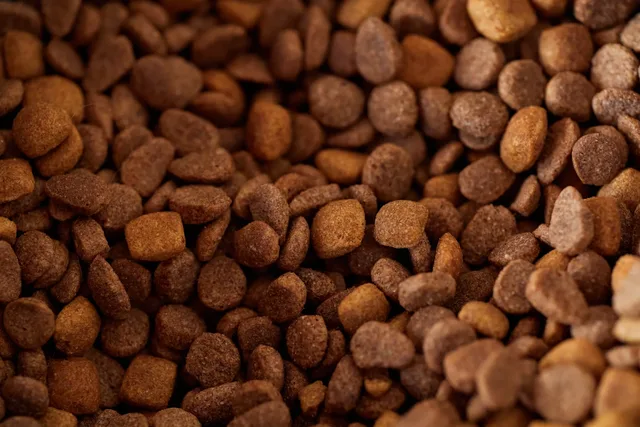
At sunset, I sit on the kitchen floor and feel the soft fur of a rabbit while I organize the feeding guide.
A person sits on a kitchen floor, carefully weighing out small portions of leafy greens and specialized pellets for a rabbit. The soft crunch of hay fills the quiet room as the sun sets through the window.
Establishing a consistent rabbit reptile feeding guide involves recognizing that mammals and ectotherms operate on entirely different metabolic clocks.
Rabbits generally require high-fiber diets to maintain digestive motility. While specific rabbit caloric numbers are not provided in this context, the general principle of small animal feeding guide application relies on monitoring weight and activity.
You must ensure that the fiber content does not reach levels that hinder growth or efficiency.
According to technical data, adding non-fermentable fiber in concentrations of 22% or greater of the total diet will reduce growth, feed intake, and feed efficiency. This means that while fiber is necessary, excessive amounts of the wrong type can be counterproductive.
I once watched a pet's energy levels dip after a sudden shift to a high-bulk, low-digestibility forage.
- Assess the specific nutritional needs of the species. 2. Select high-quality, species-appropriate food sources. 3. Monitor weight and energy levels to adjust portions.
How can I best compare pet food amounts?
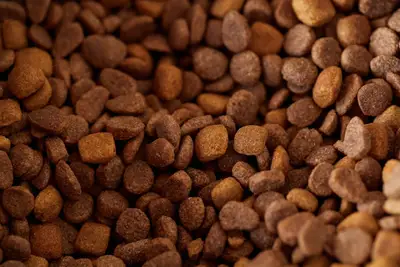
At noon, I stand in the pantry and feel the gritty texture of different pellets while I weigh food for my rabbit. An owner stands at a pantry, comparing the labels of two different brands of small animal kibble. They use a digital scale to measure out exactly ten grams of food, noting the difference in texture between the brands.
A pet food amount comparison is most effective when done through weight-based measurements rather than volume.
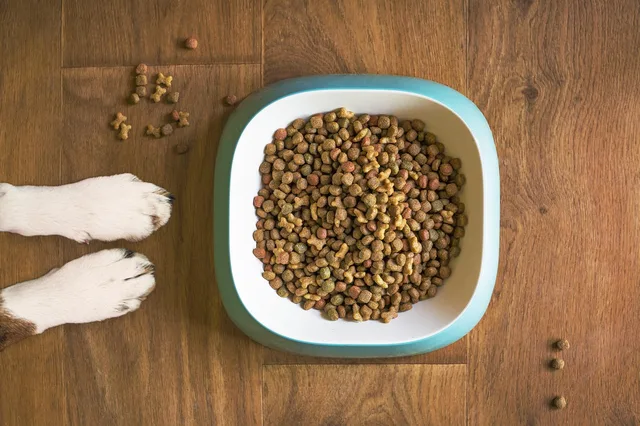
Effective comparison requires looking at the nutrient density of the food. For growing animals, the energy requirements change as they reach specific weight milestones. For example, energy needs are highest during the early stages of development and decrease as the animal approaches adult size.
| Growth Stage | Energy Requirement Factor |
|---|---|
| Weaning to 40% Adult Weight | 2.0x Adult Requirement |
| 40% to 80% Adult Weight | 1.6x Adult Requirement |
Using these ratios allows for a systematic approach to pet food amount comparison. I find that checking the weight of the animal weekly helps determine if the current feeding strategy aligns with these expected developmental curves.
I find that the second step in this process is the most time-consuming.
Can I use rodent and reptile tips for all my pets?
During the evening, I sit on the kitchen floor and touch the soft ears of a rabbit while I study the guide. A hand reaches into a terrarium to place a small piece of fruit or a specialized insect diet into a ceramic dish. The reptile accepts the morsel slowly, its movements rhythmic and calm in the warmth of the heat lamp.
While rodent reptile feeding tips often focus on high-protein or high-calcium needs, they are not a universal solution for all small pets.
Different species have vastly different requirements for minerals and fats. For instance, the needs of a growing mammal are heavily dictated by calcium levels to prevent fractures.
If a diet lacks sufficient minerals, skeletal issues can arise, especially in smaller breeds or specific developmental windows.
According to technical data, smaller breed puppies experience fractures when diets contain less than 0.33% calcium on a dry matter basis. Larger breeds require even more, seeing issues at levels less than 0.55%.
This highlights why a one-size-fits-all approach to rodent reptile feeding tips can be dangerous for growing animals.
How much is the safe feeding amounts for pets?
A person carefully reads the fine print on a bag of specialized animal food under a bright desk lamp. They note the percentage of calcium and phosphorus listed on the back of the packaging.
Determining safe feeding amounts for pets requires a strict adherence to mineral ratios and total caloric intake.
For young animals, the balance of minerals is vital because they cannot always adjust absorption. Over-supplementing or under-supplementing can lead to permanent physical damage. The relationship between calcium and phosphorus is particularly sensitive in maintaining bone health.
To ensure safe feeding amounts for pets, follow these steps: 1. Calculate the current weight of the animal relative to its expected adult weight. 2. Verify that the calcium-to-phosphorus ratio is between 1:1 and 2:1. 3.
Check that the dietary calcium levels meet the specific requirements for the animal's breed size. 4. Perform a final check by observing the animal's coat, energy, and weight gain over a two-week period.
What is the feline small animal diet requirement?
A caregiver prepares a specialized meal, ensuring the temperature is just right before placing the bowl on the floor. The atmosphere is calm as the pet approaches the food with anticipation.
While this guide focuses on rabbits and reptiles, the principles of a feline small animal diet often overlap in the necessity of high-quality fats.
Nutritional adequacy includes essential fatty acids that support neurological health. A deficiency in specific fats can lead to measurable declines in cognitive function. Maintaining these levels is a core component of any specialized small animal diet.
According to technical data, a deficit of dietary n-3 fatty acids leads to a reduction in brain DHA content by 50-80%, which can cause cognitive deficits. Diets containing 1.4% n-3 fatty acids, or 0.19% DHA, have been shown to result in optimal neurological function.
Is there a limit to these feeding strategies?
An owner closes the food container and puts it back in the cupboard, satisfied with the day's feeding routine. The kitchen is quiet, and the pets are settled. Every feeding strategy has its boundaries, particularly when dealing with fiber and mineral concentrations.
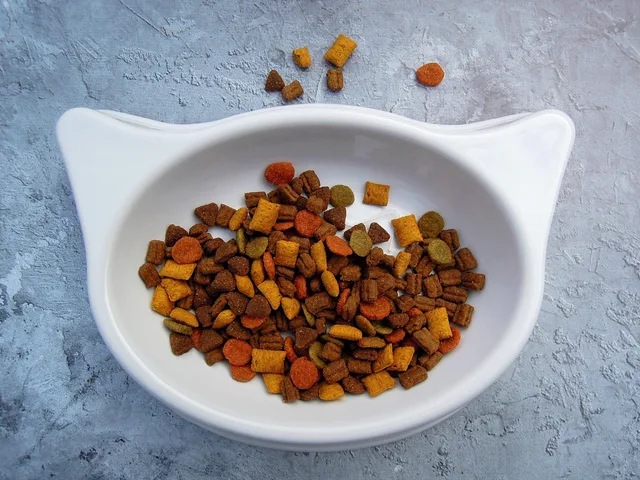
According to the Journal of the American Veterinary Medical Assoc, results suggest that 25% restriction in food intake increased median life span and delayed the onset of signs of chronic disease in these dogs.
The effectiveness of a diet is limited by the biological capacity of the animal to process specific ingredients. For example, even beneficial fermentable fiber can become a problem if it is added in too high a concentration.
According to technical data, adding fermentable fiber to a concentration of 14.1% or greater will result in lower digestibility of the feed. This serves as a reminder that even "healthy" ingredients can be harmful if they exceed specific thresholds.
- How do I manage a rabbit reptile feeding guide?
- What are the best pet food amount comparison methods?
- Can I use rodent reptile feeding tips for all pets?
Related





Comments 0