Cat blueberry guide: Best fruit treats 10% tips
Feeding blueberries to a cat requires careful moderation to ensure they act as a healthy snack rather than a dietary disruption. Owners should prioritize whole, plain fruit and strictly limit these treats to less than 10% of the total daily caloric intake.
* Limit treats to under 10% of daily calories. * Avoid processed blueberry products with additives. * Ensure the fruit is fresh or frozen without sweeteners. * Monitor for digestive changes after introduction.
How do I start a cat blueberry feeding guide?
At dawn in the bright kitchen, a hand reaches for a single blueberry, feeling its cool skin.
A hand reaches into a ceramic bowl to pick up a single, small blueberry, feeling its cool, smooth skin before offering it to a waiting feline. This initial step in a cat blueberry feeding guide involves introducing the fruit as a very small, occasional snack.
Because cats are obligate carnivores, their digestive systems are not designed for high volumes of fruit. While some owners look for blueberry nutrition for pets, the primary goal is novelty rather than essential sustenance.
You must ensure the berry is completely plain, as any added sugars or xylitol found in human snacks can be dangerous.
A 2004 survey in the US and Australia found that 26% of cats received treats on a daily basis. Even if you use blueberries as part of this routine, you must remain cautious about total volume.
- Check the freshness of the berries.
- Wash them thoroughly to remove pesticides.
- Cut them into small, bite-sized pieces.
How many berries can my cat safely eat?

At noon in the sunlit kitchen, a hand trembles while dropping a single blueberry into a tiny dish. A measuring spoon hovers over a small dish, carefully portioning out a tiny fragment of fruit to avoid overfeeding. Finding safe cat berry amounts means adhering to strict caloric boundaries to prevent obesity or nutritional imbalances.
According to technical guidelines, not more than 10% of a cat's calorie intake should come from treats. This rule applies to blueberries just as it does to any other supplemental snack. If a cat weighs approximately 10–11 pounds, its resting energy requirement is roughly 180–200 kcal/day.
Exceeding the 10% threshold can displace the essential nutrients found in a complete and balanced diet. It is vital to keep the berry portion small enough that it does not interfere with their primary meal requirements.
I find that the second step in my preparation is the most important.
Can I use a treat guide to check berry safety?
While sitting on the living room rug at dusk, a hand traces the text of a guide next to a bowl of blueberry treats. A person reads through a printed manual while sitting on a living room rug, checking the ingredient list of a new snack. Using a cat treat safety guide helps owners distinguish between healthy whole foods and processed items that might contain hidden risks.
When giving berries to cats, the focus must be on the simplicity of the ingredient. Many commercial treats or human-grade blueberry products contain additives that do not align with feline biology. You should prioritize raw, unseasoned blueberries to avoid the risks associated with processed sugars.
Checking food additives for cats is a necessary habit for any pet owner. Always verify that no artificial sweeteners are present in any fruit-based supplement you consider.
How should I manage adjusting berry intake for cats?
A kitchen scale sits on the counter as a person weighs a small portion of food to maintain a precise diet. For those interested in adjusting berry intake for cats, the process requires a slow and methodical approach to observe how the animal reacts.
- Offer a single, small piece of a fresh blueberry to the cat. 2. Observe the cat for several hours to check for any signs of digestive upset. 3. If no issues occur, you may occasionally offer a second piece, ensuring the total treats stay under the 10% caloric limit.
I personally find that checking the texture of the berry is an essential part of this process to prevent choking. Balancing diet with cat berries means the fruit should never replace the structured nutrition provided by regulated commercial foods.
What are the limitations of blueberry snacks?
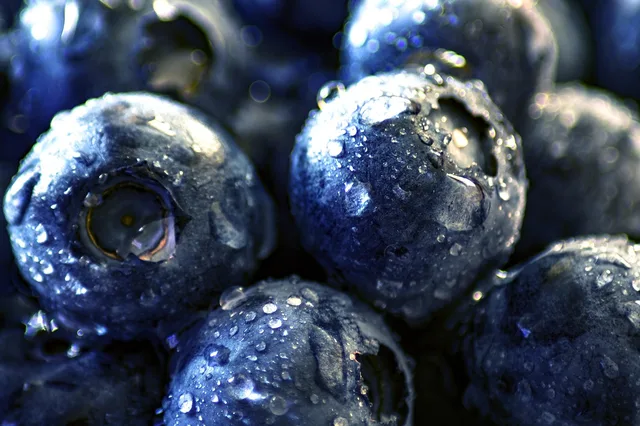
A cat sniffs a blueberry on the floor but quickly turns away to head toward its bowl of dry kibble. This interaction highlights that blueberries are not a substitute for a primary diet.
The effectiveness of blueberries as a nutritional supplement is limited by the cat's natural status as a carnivore. While owners may seek blueberry nutrition for pets, these fruits cannot provide the essential amino acids found in meat-based diets.
Additionally, the nutritional standards for commercial foods are often much more rigorous than those for occasional treats.
This level of oversight is not present in raw, unmeasured fruit portions.
Related
- Cat toast feeding risks: Tips for proper cat diet guide
- DIY Cat Food: Balancing Nutrients Beyond Just Meat
What precautions should owners take when feeding blueberries?
- Always inspect the blueberries before offering them to the cat to confirm they are whole and unblemished. 2. Compare the size of the offered blueberry to the cat's body size to ensure it is manageable. 3. If the cat shows signs of discomfort after feeding blueberries, cease the practice immediately and consult a professional.
The caution regarding digestive changes after introduction means that even small amounts of blueberries necessitate close observation. Owners must ensure that the introduction of feeding blueberries is gradual to allow the feline system to adjust to the new texture and composition.
When is moderation most critical for feeding blueberries?
Moderation is most critical when the cat is already prone to weight gain or has known sensitivities. Since the primary goal of feeding blueberries should be novelty, owners must strictly adhere to the caloric limitations.
Overfeeding blueberries can quickly shift the snack from a healthy addition to a dietary disruption.
The condition of the fruit itself plays a role in moderation; processed blueberry products inherently carry more risks than fresh fruit. Therefore, when feeding blueberries, the purity of the ingredient supersedes the quantity offered.
The comparison between whole fruit and processed items shows that the latter introduces unknown variables into the feeding blueberries routine. Owners should always default to the simplest, most natural form of the fruit when making feeding decisions.
Wikipedia: Nutro Products Based on the retained excerpt mentioning Association of American Feed Control Officials: In September 2008, the Pet Food Product Safety Alliance (PFPSA) tested samples of Nutro dog food in response to the consumer complaints on consumeraffairs.com and found levels of copper in excess of Association of American Feed Control Officials (AAFCO) recommendations.






Comments 0