Cat toast feeding risks: Tips for proper cat diet guide
"A cat's digestive system is built for protein, not carbohydrates, making human snacks a risky gamble for their health."
It is generally not recommended to feed toast to cats because it lacks nutritional value and may contain additives such as salt or yeast. This guide explores why such treats are unsuitable, how to manage accidental ingestion, and what a proper diet should look like.
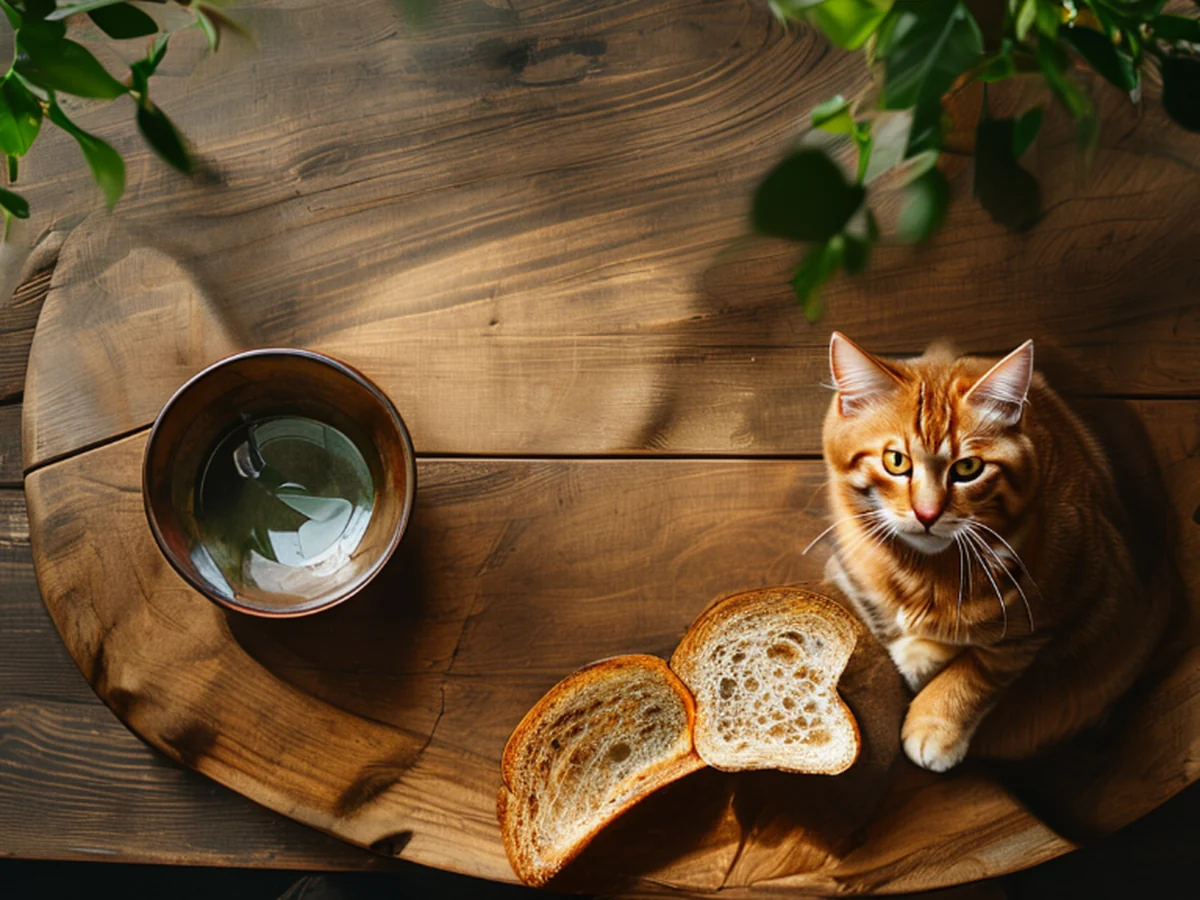
* Toast lacks the essential protein required for feline health. * Hidden ingredients like seasonings can cause digestive upset. * Maintaining a balanced diet is critical for long-term wellness.
Is toast safe for cats?
At dawn in the kitchen, a hand reaches for a warm piece of toast while the cat watches with hungry eyes.
A hand reaches for a piece of golden-brown toast, but the cat's eyes are fixed on the crumbs falling to the floor. While a plain piece of toasted bread might not be immediately toxic, it offers nothing beneficial to a feline's biological needs.
Cats are obligate carnivores, meaning their bodies require specific nutrients found in animal tissues to thrive. Feeding toast to cats often introduces empty calories that can lead to weight gain over time.
Because toast primarily consists of carbohydrates, it does not support the natural metabolic processes of a cat.
The nutritional requirements of a cat are specific to their predatory nature. For an average cat weighing 10–11 pounds (about 5 kg), it would have a resting energy requirement of 180–200 kcal/day.
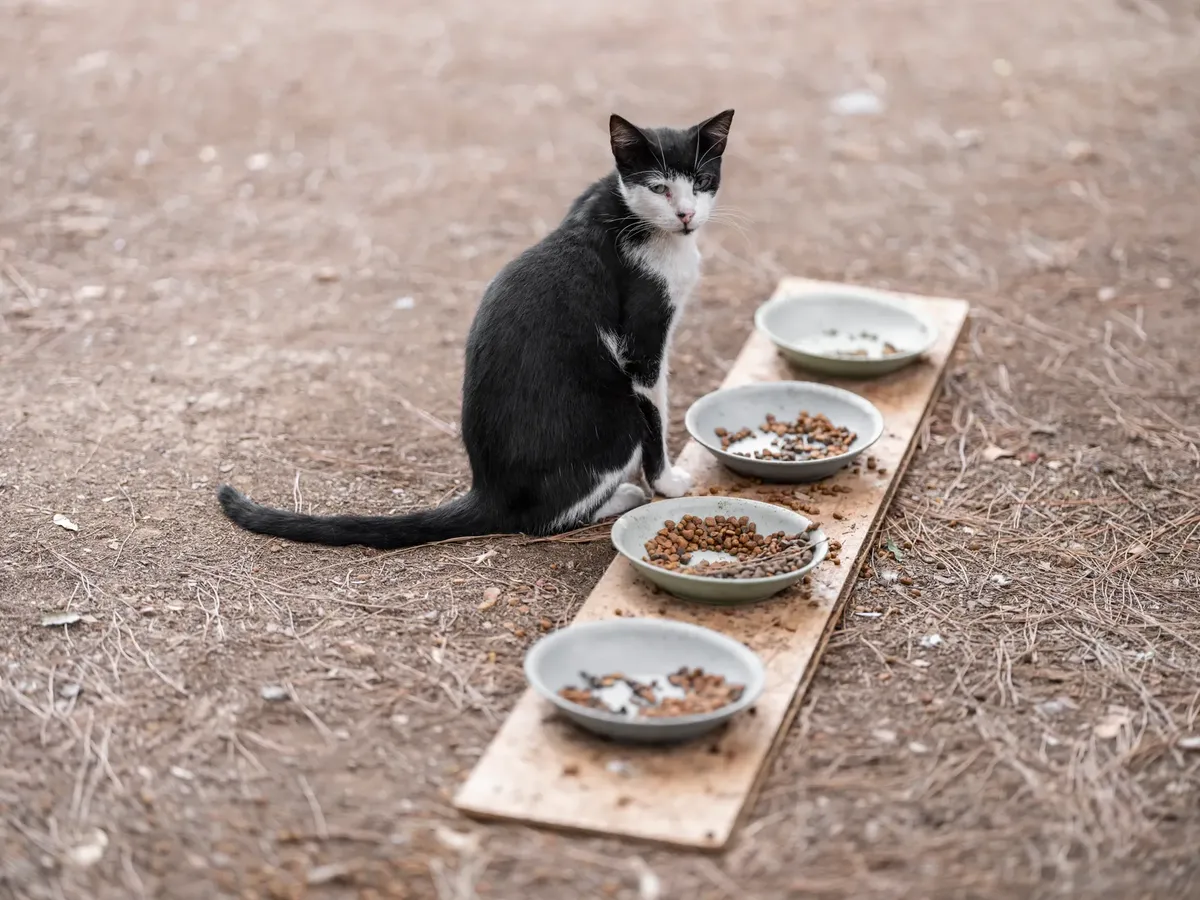
Using these calories on low-nutrient snacks like toast can displace the high-quality protein they need to maintain muscle mass.
While plain toast is not toxic, it offers no nutritional value to a feline.
Cat diet toast dangers Cat toast feeding risks
A kitchen counter holds a plate of toast, and the smell of yeast fills the air as a cat wanders nearby. Understanding the risks involves looking beyond the bread itself to the ingredients used in human food production.
The primary cat diet toast dangers involve additives like garlic, onion, or excessive salt often found in flavored breads. These ingredients can be harmful to a cat's sensitive system. If a cat consumes bread with high salt content, it may face dehydration or electrolyte imbalances.
Additionally, the texture of toast can be problematic for some animals. Hard, crunchy surfaces may cause discomfort during chewing or lead to choking in smaller cats. It is vital to ensure that any small treat does not interfere with their primary nutritional intake.
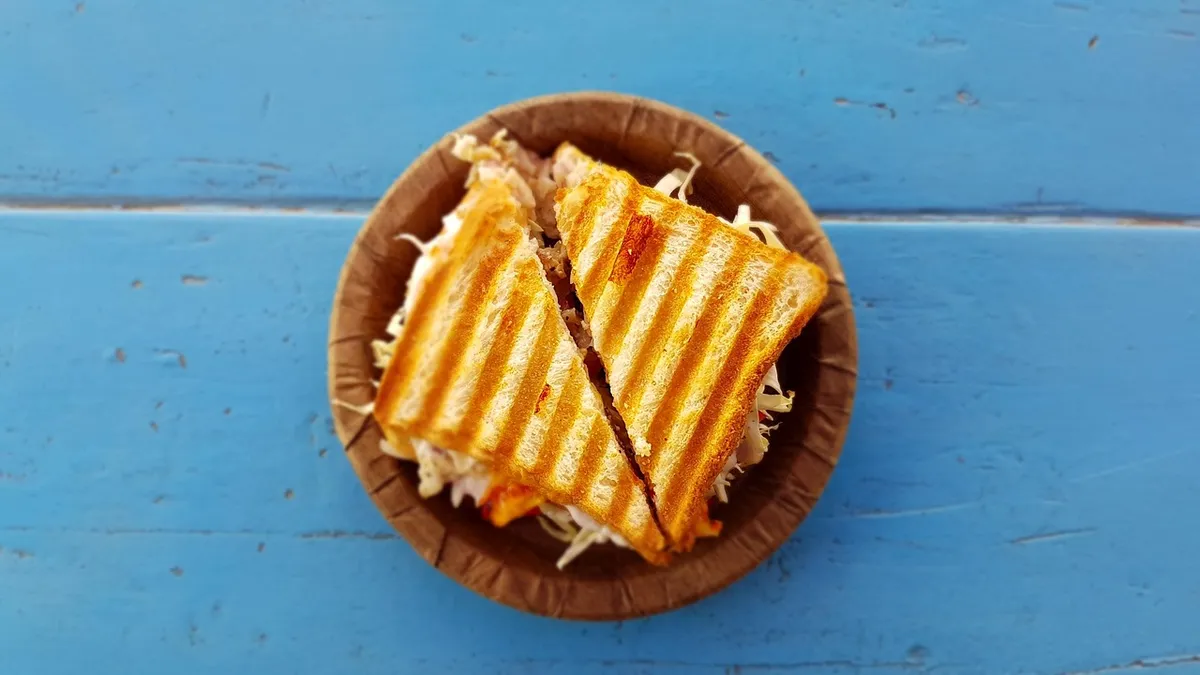
The primary risks involve added ingredients like xylitol, salt, or butter that can cause health complications.
Proper cat diet guide
A bowl of specialized kibble sits on the floor, providing a steady source of nutrition for a hungry pet. Establishing a routine helps prevent the temptation of human snacks.
A proper cat diet guide focuses on meeting the physiological needs established by veterinary nutrition standards.
In the United States, cat food using the label "complete and balanced" is required to meet standards that have been established by the Association of American Feed Control Officials (AAFCO) by either meeting a nutrient profile or passing a feeding trial.
To maintain health, follow these steps: 1. Prioritize high-protein meals that mimic a natural diet. 2. Monitor calorie intake to match the cat's specific weight and activity level. 3. Limit treats to a very small percentage of daily caloric intake.
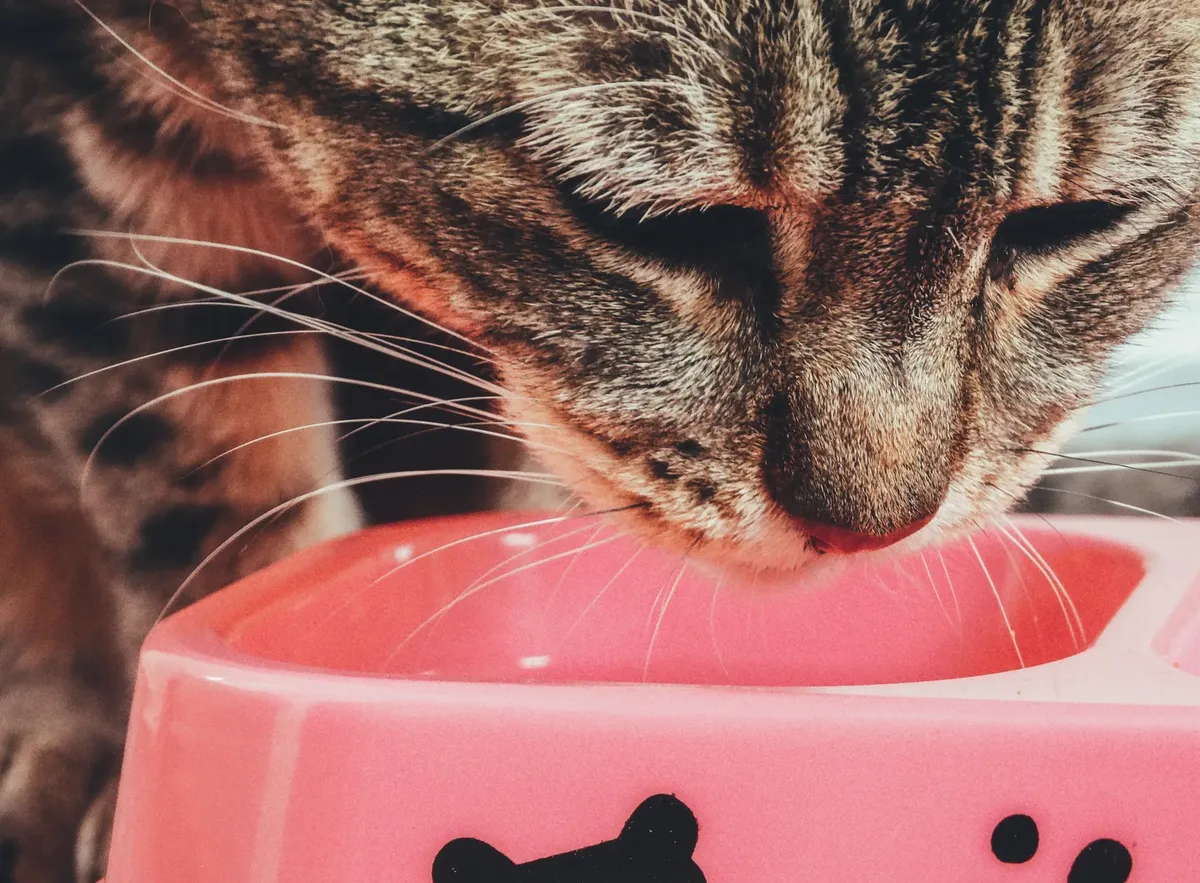
Always check the nutritional label to ensure the food meets established standards. I once watched a pet owner struggle with weight management because they frequently supplemented meals with bread-based treats.
- Consult a veterinarian to establish nutritional requirements.
- Select a high-protein, meat-based commercial food.
- Monitor portion sizes to maintain a healthy weight.
How to treat cat illness
A worried owner watches their pet, wondering if a recent snack caused a sudden change in behavior. If a cat consumes something inappropriate, monitoring their reaction is the first priority.
If you are wondering how to treat cat illness following the ingestion of toast, the first step is to observe for signs of vomiting or diarrhea. Most single instances of eating plain toast will result in nothing more than minor digestive upset.
However, if the toast contained toxic ingredients like xylitol or onions, immediate veterinary attention is necessary.
If your cat shows signs of distress, follow these steps: 1. Remove all food to allow the stomach to settle. 2. Monitor water intake to prevent dehydration. 3. Contact a veterinarian if symptoms persist or worsen.
A final check of the cat's energy levels and appetite should be performed regularly. If the cat remains lethargic or refuses food, professional medical advice is the only safe course of action.
In this order, the second step is the most critical.
The subject here is Cat toast feeding risks.
This part also covers Signs of bad cat food.
Related
- DIY Cat Food: Balancing Nutrients Beyond Just Meat
- Dog Caviar Recipes: Elite Nutrition for Peak Canine Vitality
What should a cat's digestive system process instead of bread? Cats are obligate carnivores, meaning their biological needs demand nutrients found in animal tissues for proper function. The cat's digestive system is specifically adapted to process protein, which is the foundation of their required sustenance. Carbohydrates, the main component of toast, do not support the natural metabolic processes of a cat. Therefore, substituting high-quality animal protein for bread ensures the cat receives the necessary building blocks for muscle mass maintenance.
Cats are obligate carnivores, meaning their systems are designed to process animal proteins and fats rather than carbohydrates.
How does diet affect a cat's digestive system? A balanced diet supports the entire feline digestive system by providing appropriate nutrients. When a cat consumes snacks high in carbohydrates, it displaces the necessary protein intake. This imbalance can lead to digestive upset because the system is not designed to efficiently break down large amounts of starch. Maintaining a balanced diet is critical for long-term wellness, preventing issues related to nutritional deficiency or excess.
When managing accidental ingestion, observing the cat's reaction is the initial step to assess the impact on their digestive system. If the ingested item contained harmful additives, immediate veterinary intervention becomes necessary.
Otherwise, minor digestive upset is a likely outcome from consuming plain toast.
Proper feeding routines help prevent the temptation of human snacks from interfering with the cat's primary nutritional intake. Following established standards ensures the food meets the physiological needs of the animal, supporting a healthy digestive system.
Excessive carbohydrates can lead to obesity and digestive upset in cats.
Wikipedia: Cat food (full) Based on the retained excerpt mentioning Association of American Feed Control Officials: In the United States, cat food using the label "complete and balanced" is required to meet standards that have been established by the Association of American Feed Control Officials (AAFCO) by either meeting a nutrient profile or passing a feeding trial.



Comments 0