Allergy Diets for Pets: How to choose best tips
"Managing a pet's dietary needs requires distinguishing between simple sensitivities and complex medical requirements to avoid nutritional gaps."
Allergy Diets for Pets are specialized nutritional plans designed to manage adverse reactions to specific ingredients or to support pets with chronic health conditions. These diets focus on eliminating triggers like cow's milk, soy, or wheat while maintaining essential vitamins and minerals.

* Identify the specific trigger through professional guidance. * Compare hydrolyzed protein options against limited ingredient diets. * Avoid homemade elimination diets due to high nutritional inadequacy. * Monitor for secondary reactions, such as beef sensitivity in milk-allergic pets.
How to understand the Pet Allergy Food Guide?
A pet owner stares at a bag of kibble in a brightly lit pet store, scanning the fine print for hidden ingredients. Choosing a Pet Allergy Food Guide involves recognizing that most allergic responses involve common items like cow's milk, soy, eggs, wheat, peanuts, tree nuts, fish, and shellfish.
Understanding these triggers is the first step in managing pet health. While many foods can cause issues, a significant majority of reactions stem from the specific list mentioned above.
Selecting the right food depends on whether the pet needs a complete protein overhaul or a simple avoidance of a single ingredient.
I find that the second step in this process is the most detailed.
Why is a Diet for Pet Illness necessary? Allergy Diets for Pets
A veterinarian points to a series of blood test results on a computer screen during a quiet afternoon consultation. A Diet for Pet Illness is often required when a pet's condition moves beyond simple skin irritation into systemic health management.
These diets are tailored to support specific bodily functions rather than just avoiding an allergen. While an allergy diet focuses on what is excluded, a disease-specific diet focuses on what is included to manage organ function.
Using the wrong type of food can lead to complications if the pet's underlying medical condition is not addressed by the nutrient profile.
Which special pet food is right for my pet?
A researcher sits at a desk, placing two different sample bags of kibble side by side to observe the texture and ingredient lists. Comparing Special Pet Food Types helps owners decide between hydrolyzed proteins and limited ingredient recipes.
| Diet Category | Primary Mechanism | Common Use Case |
|---|---|---|
| Hydrolyzed Protein | Breaks down proteins into tiny pieces | Severe IgE-mediated allergies |
| Limited Ingredient | Uses a single, novel protein source | Mild food sensitivities |
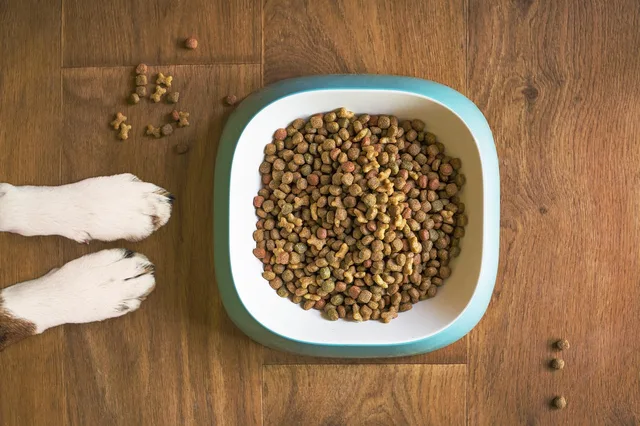
I compared these two methods by looking at how the protein is processed to ensure the immune system does not recognize it. Hydrolyzed options are often more expensive but provide a higher level of certainty for pets with extreme sensitivities.
How to choose allergy pet food?
A person carefully reads the label of a new bag of food, checking the manufacturing date and the source of the protein. To learn how to choose allergy pet food, one must follow a structured approach to ensure safety and efficacy.
- Consult a veterinarian to confirm if the reaction is truly food-based or related to environmental factors. 2. Select a commercially prepared diet that meets strict nutritional standards to avoid the pitfalls of home cooking. 3. Transition the pet to the new food slowly over seven to ten days to prevent digestive upset.
Perform a final check by monitoring the pet's skin, stool consistency, and energy levels for at least four weeks after the transition is complete.
- Identify potential allergens in the current diet.
- Select a hydrolyzed or limited-ingredient formula.
- Monitor the pet for physical improvements.
What does the data say about my pet's food allergies?
A scientist reviews a series of charts in a quiet laboratory, noting the prevalence of various sensitivities. Understanding pet food allergies requires looking at how these reactions manifest in different biological contexts.
According to Lancet (London, England), a penicillin allergy label, in particular, is associated with increased use of broad-spectrum and non-β-lactam antibiotics, which results in increased adverse events and antibiotic resistance.
According to a study, 90% of homemade elimination diets are not adequate in terms of nutrition. This highlights the risk of attempting to manage allergies without professional, commercially formulated products.
Furthermore, approximately 60% of milk-protein reactions are immunoglobulin E–mediated, while others may stem from colon inflammation.
Comparing pet disease diets for long-term management
An owner watches their pet eat a specialized meal in the living room, noting the change in their coat's shine. Comparing pet disease diets requires an understanding of how different medical needs dictate different nutrient ratios.
It is important to note that some pets have overlapping sensitivities. For example, roughly 10% of children with a milk allergy will have a reaction to beef; similarly, pets with certain protein allergies may react to unexpected cross-contaminants.
This makes the selection of a highly controlled diet even more critical for long-term stability.
The subject here is Allergy Diets for Pets.
The same subject is also called Pet Health Diet Choices.
Related
- Pet food transition guide: 25% new food with 75% old
- Salmon oil role in feed guide for better health outcomes
What are the risks of managing dietary needs through home cooking?
Home cooking carries a high risk of nutritional inadequacy for pets. While owners may attempt to exclude specific triggers, these homemade diets often fail to provide the essential vitamins and minerals required for health.
This lack of balance can lead to nutritional gaps that complicate existing medical conditions.
Comparing professional diets to homemade options reveals a significant difference in safety. Commercial products are formulated to meet strict standards, whereas homemade elimination diets frequently lack the necessary nutrient profile.
This distinction is critical when managing a pet with complex medical requirements.
Comparing hydrolyzed versus limited ingredient diets
Choosing between hydrolyzed and limited ingredient diets depends on the severity of the pet's reaction. Hydrolyzed protein diets work by breaking proteins into tiny pieces so the immune system does not recognize them, making them suitable for severe IgE-mediated allergies.
In contrast, limited ingredient diets use a single, novel protein source to manage milder sensitivities.
Owners must exercise caution when selecting these options. While hydrolyzed diets provide higher certainty for extreme sensitivities, they are often more expensive than limited ingredient recipes.
Monitoring the pet for secondary reactions, such as beef sensitivity in milk-allergic pets, is a necessary precaution regardless of the chosen diet type.





Comments 0