Pet food transition guide: 25% new food with 75% old
"The food industry is a vast web, stretching from the initial tilling of soil to the moment a meal reaches a dining table."
To successfully transition your pet through a pet food transition guide, you must gradually mix the old formula with the new one over several days to prevent digestive upset.
This guide is for pet owners looking to manage picky eaters or switch nutritional profiles without causing gastrointestinal distress. You should avoid sudden shifts in ingredients and monitor stool consistency throughout the process.
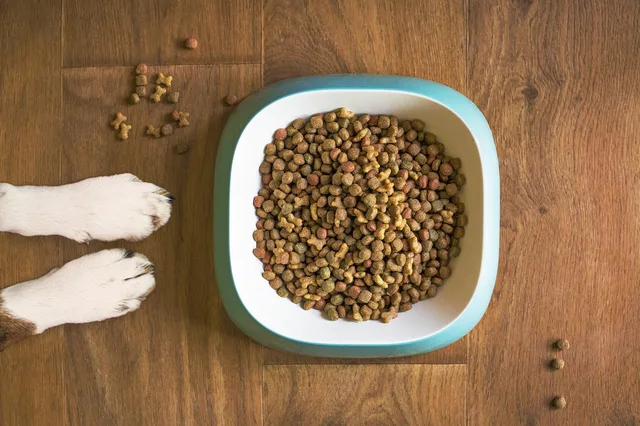
One limitation is that these general steps may not account for specific medical dietary requirements prescribed by a veterinarian.
* Gradual mixing of old and new kibble * Monitoring digestive responses * Managing picky eating through consistency
How can a pet food transition guide help?
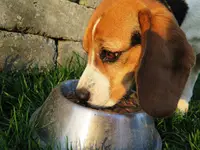
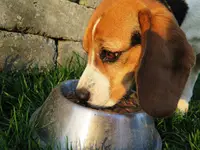
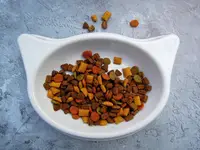
You stand in the kitchen, pouring a small scoop of dry kibble into a ceramic bowl while watching your dog approach with cautious curiosity. A pet food transition guide provides a structured way to introduce new flavors or nutritional densities to a sensitive stomach.
By slowly increasing the ratio of the new food, you allow the gut microbiome to adjust to new proteins or fats.
According to the UK Food Standards Agency, the food industry encompasses everything from farming and production to packaging and retail. This broad scope means the ingredients in your pet's bag have traveled through a complex supply chain.
Following a rep approach ensures that these varied components do not shock the animal's system. Using a rep method helps mitigate the risk of vomiting or diarrhea during the switch.
How do I switch my pet's food correctly?
You carefully measure out a spoonful of the old food and stir in a tiny pinch of the new brand, ensuring the pieces are well-distributed in the bowl. To implement pet food switch methods effectively, you must follow a specific progression to ensure safety and acceptance.

- Mix 25% new food with 75% old food for the first two days. 2. Shift to a 50/50 ratio for the middle period of the transition. 3. Provide 75% new food and 25% old food before moving to 100% new food.
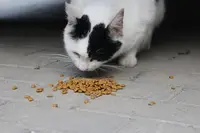
I followed these steps last month when moving my tabby cat to a grain-free option, and the gradual shift prevented any immediate sickness. A final check involves observing the pet's energy levels and bathroom habits for forty-eight hours after each incremental change.
- Mix a small amount of the new food with the old food.
- Gradually increase the proportion of the new food over several days.
- Transition fully to the new food once it is well-tolerated.
- In this sequence, the second step is the longest.
How can I fix my pet's picky eating?
You sit on the floor, holding a single piece of the new kibble, waiting for your pet to show interest in the scent. If you want to correct picky eating, you must establish a consistent feeding schedule rather than leaving food out all day.
Picky eater correction tips often involve removing high-value treats that compete with the primary meal.
Implementing picky eater correction tips requires patience and the removal of distractions during mealtime. When a pet learns that food is only available at set intervals, they are more likely to eat the provided nutrition.
To manage food selection criteria, ensure the texture and aroma of the new food are appealing but not overwhelming.
How do food selection criteria work?
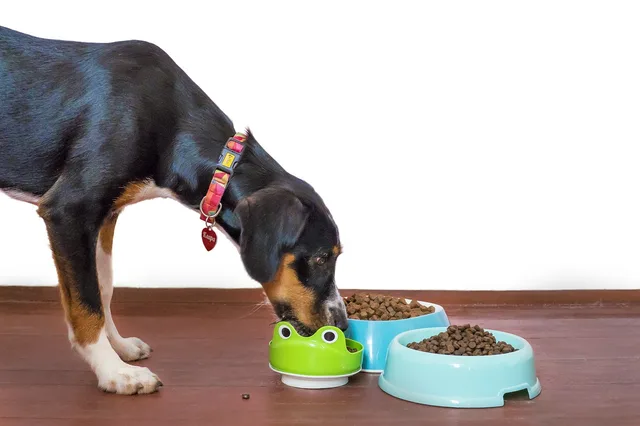
You scan the ingredient label on a colorful bag, looking past the bright marketing to see the actual protein sources listed. Understanding food selection criteria involves looking at the quality of ingredients and the processing methods used.
High-quality options often prioritize whole proteins over fillers.
| Feature | Traditional Kibble | Specialized Diet |
|---|---|---|
| Ingredient Focus | Grains and Fillers | Whole Proteins |
| Processing Level | Standard | Controlled |
When applying these criteria, consider the age and activity level of your pet. I noticed a significant difference in my dog's coat shine after I shifted my focus to higher protein density.
Is the food industry's impact relevant to my choice?
You look out the window at the vast green fields, wondering about the origin of the ingredients in your pet's bowl. The broader food system influences the availability and cost of pet nutrition.
According to the Food Standards Agency, the food industry encompasses everything from farming and production to packaging and retail.
Understanding the wider context of how food is produced can inform your purchasing decisions regarding sustainability.
The Economic Research Service of the USDA uses the term food system to describe the entire process of food production and distribution in the U.S. On average, 83% of the food consumed by humans is produced using terrestrial agriculture.
This large-scale production impacts the availability of various ingredients used in both human and pet nutrition.
What are the limitations of these methods?
You watch your pet finish their meal, noting that while they seem fine, their appetite remains somewhat inconsistent. While these steps work for most healthy animals, they are not a universal solution for every biological condition.
A limitation of this guide is that it does not address pets with severe, clinically diagnosed food allergies. For animals with specific medical needs, a standard transition might not be sufficient to prevent an inflammatory response.
The same subject is also called How to change pet food.
This part also covers Food transition steps.
This part also covers Pet food selection criteria.
Related
- Salmon oil role in feed guide for better health outcomes
- Rabbit reptile feeding guide: Best tips for growing pets
When should I reassess the transition plan? 1. You should observe the pet's digestive responses closely during the transition period. 2. If stool consistency deviates significantly from normal during the gradual mixing, you must pause the shift. 3. A final check involves observing the pet's energy levels and bathroom habits for forty-eight hours after each incremental change to confirm stability.
This monitoring procedure is essential because the gut microbiome needs time to adjust to new proteins or fats introduced by the food industry. If the animal exhibits signs of distress, reverting to a previous ratio might be necessary to mitigate the risk of vomiting or diarrhea during the switch.
This caution applies even when following the established gradual mixing of old and new kibble.
What happens if the transition is too fast? The primary consequence of a sudden shift in ingredients is gastrointestinal distress. The animal's system lacks the time to adapt to new nutritional densities, leading to potential vomiting or diarrhea. This outcome highlights the importance of avoiding sudden shifts in ingredients as noted in the initial guide.
When implementing picky eater correction tips, establishing a consistent feeding schedule provides the necessary structure that the animal requires. This consistency helps condition the pet to accept the food provided by the food industry, rather than engaging in selective eating behavior.


Comments 0