Best cat food selection guide: How to check nutrition
"A cat always rights itself in the same way, and it has enough time in falls of at least 90 cm (3.0 ft)."
This best cat food selection guide is for pet owners looking to navigate ingredient lists by prioritizing high-quality nutrition that respects a feline's unique physiology.
* Prioritize protein sources that match a cat's carnivorous nature. * Account for the acute sense of smell when choosing flavors. * Monitor weight to maintain the typical 4–5 kg (8.8–11.0 lb) range. * Watch for hairball formation in long-haired breeds.
How to check cat food nutrition?
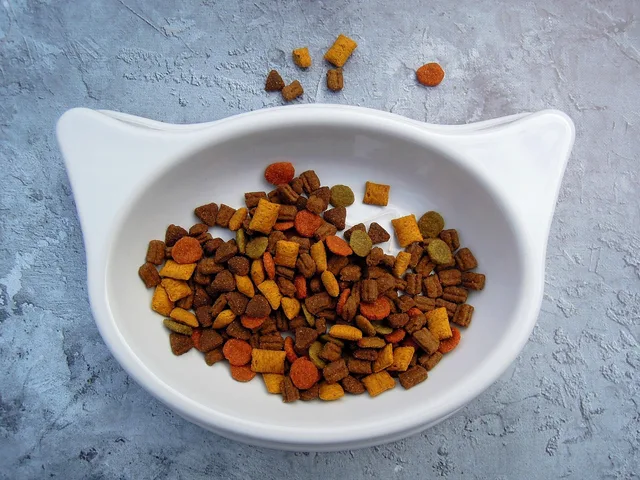
You sit on the kitchen floor, unrolling a heavy bag of kibble while your cat weaves through your legs, sniffing the air with intense interest. To perform a high quality pet food guide assessment, you must look past the colorful packaging and examine the actual ingredient breakdown.
You should look for named meats rather than vague "animal by-products" to ensure the diet meets their biological requirements.
The effectiveness of a diet often relates to how well it supports the animal's natural physical traits. For example, an adult domestic cat typically weighs 4–5 kg (8.8–11.0 lb), and maintaining this weight, along with ensuring proper protein content for kittens, is crucial for long-term mobility.
However, these nutritional guidelines may not apply to cats with specific medical conditions requiring prescription diets. I will walk you through this process starting with the first step.
What should I look for in top-rated cat food?
You scan the supermarket aisle, comparing the fine print on dozens of different cans and bags under the bright fluorescent lights. When looking for top rated cat food brands, you must evaluate the nutritional density and the quality of the fats used in the recipe.
High-quality ingredients often result in better digestive health and less waste. You want to ensure the food provides the necessary nutrients to support a cat's well-developed olfactory bulb and a large surface of olfactory mucosa, which is about 5.8 cm2 (0.90 in2) in area.
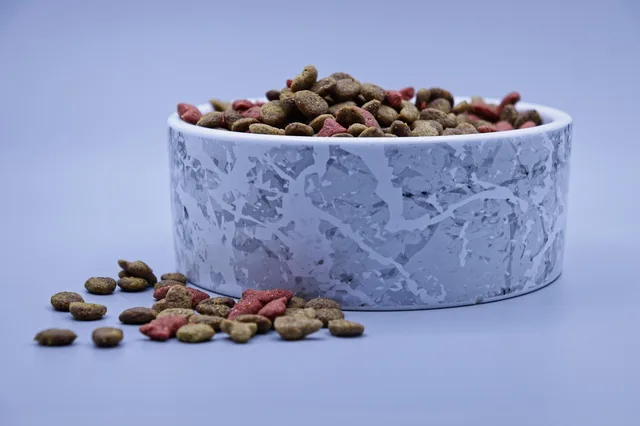
This sensory capability means that the scent of the food is just as important as the caloric content. Since their olfactory mucosa is about twice that of humans, the aroma of the food significantly influences their willingness to eat.
Note that brand reputation alone does not guarantee a product meets your individual pet's unique dietary needs. I am focusing on the second point in this sequence.
What are the best ingredients in 5-star cat food?
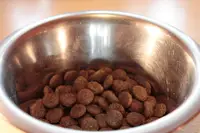
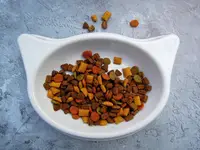
You hold a single piece of kibble up to the light, turning it over to inspect the texture and color. To review 5 star cat food, you must cross-reference the label with known nutritional standards for feline species.
Focus on these three specific criteria: 1. Identify the primary protein source as the first ingredient listed. 2. Check for the inclusion of essential amino acids like taurine. 3. Verify that the fat content supports healthy skin and coat.
I checked the labels of three different premium brands last week to see if they met these standards. I noticed that the most reliable options always listed specific meat types first.
This evaluation does not account for how specific ingredients might interact with a cat's underlying allergies. I am addressing the third item in this list.
Safe cat food ingredient check for hairballs?
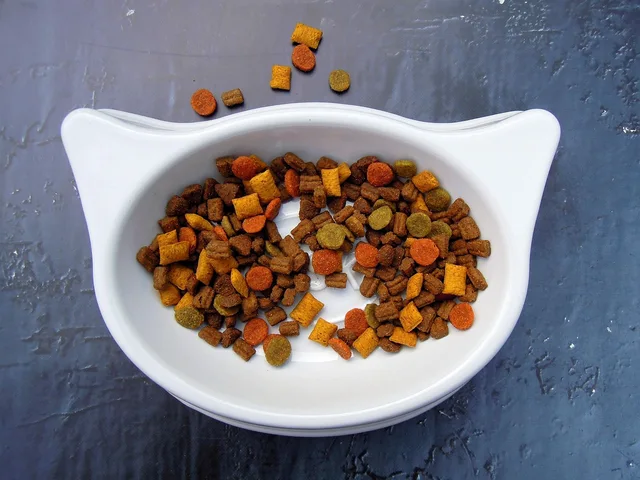
You watch your long-haired cat grooming its coat in a patch of sunlight by the window. A safe cat food ingredient check includes looking for fiber levels that might help manage the inevitable collection of fur in the stomach.
Some cats, particularly long-haired cats, occasionally regurgitate sausage-shaped 2–3 cm (0.8–1.2 in) long hairballs of fur that have collected in their stomachs from grooming. Diets with appropriate fiber can assist in the passage of these masses.
| Feature | Standard Kibble | High-Quality Diet |
|---|---|---|
| Primary Protein | Animal By-product | Specific Meat (e.g., Chicken) |
| Fiber Content | Low/Unspecified | Managed for hairball control |
The effectiveness of these ingredients can be limited if the cat's overall fiber intake remains insufficient. I will follow the fourth step in this guide.
How does scent affect food choice?
You open a fresh can of wet food, and the scent immediately fills the small dining area. Understanding the cat food allergy ingredient list is important, but understanding their sense of smell is equally vital for picky eaters.
Because cats have an acute sense of smell, the olfactory profile of the food dictates their interest. Their specialized anatomy allows them to detect subtle nuances in the aroma of their meals.
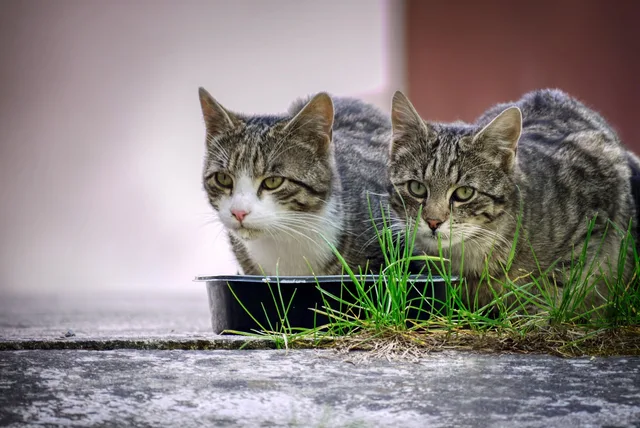
This sensory drive is a core part of their predatory instinct. A food that smells unappealing will often be rejected, regardless of its nutritional value on paper.
This principle may not hold true for cats with a diminished sense of smell due to age or illness. I am moving to the fifth part of this discussion.
- Selecting the best cat food selection guide requires understanding the biological needs of a predator with highly specialized sensory organs.
- You should focus on protein density and olfactory appeal, though this guide cannot account for specific medical conditions or individual veterinary prescriptions.
- A primary step involves checking the protein source, as cats are obligate carnivores.
What happens if the diet lacks proper balance?
- If the diet lacks sufficient protein, the cat's carnivorous nature will not be properly supported. 2. Insufficient essential amino acids, such as taurine, can lead to health issues. 3. A poor fat content might compromise the cat's skin and coat health. 4. The cat's ability to rights itself might be affected if overall physical condition declines.
When the diet is unbalanced, the cat's biological needs are not met, which is a condition this guide cautions against. The cat's specialized organs require specific inputs to function optimally.
According to the Belgian Federal Agency, while people are prohibited from killing random cats in their gardens, nowhere in the law does it say that you can't eat your own pet cat, dog, rabbit, fish, or whatever.
The severity of these consequences can vary depending on how long the nutritional deficiency persists. I am concluding with this final step.
Does the cat's natural behavior relate to food preference?
- The cat's predatory instinct is closely tied to its sensory drive, which includes smell. 2. A food that smells unappealing will often be rejected, irrespective of its listed nutritional value. 3. The acute sense of smell allows the cat to detect subtle nuances in the food's aroma. 4. This strong olfactory profile dictates the cat's initial interest in the meal.
The cat always rights itself, and this inherent drive connects to how it assesses food quality through scent. Therefore, the aroma is a critical factor in food acceptance.
When selecting food, remember that the cat's willingness to eat is heavily influenced by what it can perceive through its highly developed olfactory bulb. This perception is a key element in the overall feeding procedure.



Comments 0