Dog food fresh meat content guide for pet health
Selecting high-quality dog food requires a careful look at meat quality and ingredient transparency to ensure long-term health. You should prioritize foods labeled as "complete and balanced" and check for specific meat sources rather than vague animal by-products. This guide covers how to evaluate meat ratios, understand moisture content, and recognize industry standards for pet nutrition.
* Prioritize "complete and balanced" labels. * Check for specific whole meat ingredients. * Understand the difference between dry and wet food moisture. * Recognize the role of AAFCO standards.
How can I use dog food fresh meat content to evaluate quality?
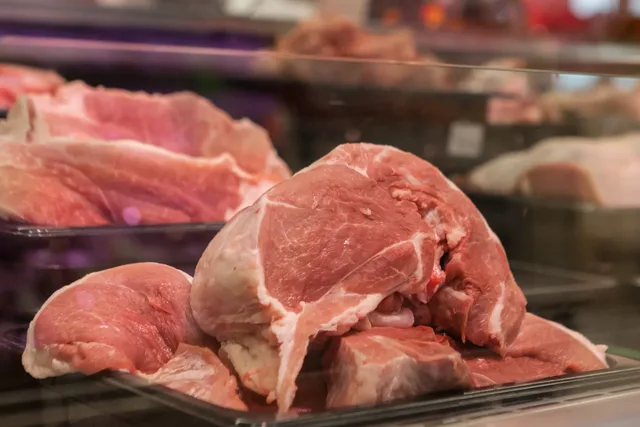
I stand in the pet aisle, scanning the colorful bags of kibble while holding a heavy bag of premium beef pellets with high dog food fresh meat content. The label lists various ingredients, but I am searching for the specific placement of real meat.
Finding high-protein dog food often begins by identifying a specific animal as the first ingredient listed.
To use fresh meat content as a metric for a quality dog food selection, you must look beyond marketing claims and inspect the actual ingredient list. High-quality options typically list a specific muscle meat, such as chicken or beef, as the primary component.
This ensures the animal protein provides the essential amino acids necessary for canine vitality.
When performing a dog food ingredient check, look for the weight and type of meat specified. Relying on vague terms like "meat meal" or "animal derivatives" can be misleading.
A better meat ratio dog food will clearly state the species of meat used, which allows you to verify the protein source more effectively.
What is the best way for choosing dog food by protein?
I lean over the kitchen table in the morning, feeling the rough texture of the food as I scan the protein levels.
I sit at my kitchen table with a magnifying glass, squinting at the fine print of a nutrition facts panel. I compare the protein percentage of a grain-free recipe against a standard kibble to see which offers more density.
The texture of the dry pellets feels consistent, but the chemical breakdown is what matters most.
Choosing high protein dog food involves matching the nutrient profile to your dog's specific life stage and activity level. You should look for foods that meet the nutritional requirements for growth, maintenance, or reproduction.
This process of comparing dog food ingredients helps you avoid fillers that provide empty calories without nutritional value.
This means that while by-products are legal, they may not offer the same nutritional density as whole muscle meats.
How do I master how to read dog food labels?
I pull a bag of wet food from the shelf, feeling the weight of the canned contents in my hand. I turn the can around, searching for the official certification marks and the manufacturer's detailed breakdown.
The glossy finish of the packaging hides the complex data needed to make a truly informed decision.
Mastering how to read dog food labels requires focusing on two specific indicators: the ingredient list and the nutritional adequacy statement. The ingredient list is organized by weight, meaning the most heavily used components appear first.
The adequacy statement tells you if the food is intended for all life stages or specific age groups.
In the United States, dog foods labeled as "complete and balanced" must meet standards established by the Association of American Feed Control Officials (AAFCO), either by meeting a nutrient profile or by passing a feeding trial.
This distinction is vital because it guarantees the food provides all necessary vitamins and minerals.
What are the differences in moisture levels?
I pour a bowl of dry kibble onto the floor, listening to the sharp, rhythmic clicking of the pellets hitting the ceramic. Next, I open a tin of wet food, noting the heavy, moist texture and the way it clings to the spoon. The contrast in weight and consistency is immediately apparent.
Understanding moisture content is essential for managing a dog's hydration and caloric intake. Dry food is much more concentrated, which makes it easier to measure portions accurately.
Wet food provides a significant boost to water intake, which can be beneficial for dogs that do not drink enough from their water bowls.
| Food Type | Moisture Content |
|---|---|
| Dry Food | 3–11% water |
| Wet Food | 60–78% water |
I compare these two types to see which fits my dog's dietary needs better. While dry food is convenient, wet food is significantly higher in moisture.
Can I follow a specific selection process?
I walk through the local pet supply store, checking the labels of three different brands one by one. I note the protein sources, the moisture levels, and the presence of official certifications. Each step feels like a layer of protection for my pet's long-term wellness.
To select the right food, follow these steps:
- Check the ingredient list to ensure a specific meat is the first ingredient. 2. Verify that the package contains a "complete and balanced" statement meeting AAFCO standards. 3. Evaluate the moisture content based on whether you are using dry pellets or canned food.
After completing these steps, perform a final check by reviewing the manufacturer's feeding guidelines to ensure the caloric density matches your dog's size.
Is there a limit to this nutritional approach?
I look at the large bags of food stacked in the warehouse, realizing that even the best ingredients are subject to environmental factors. The sheer scale of production makes it difficult to track every single variable in the supply chain.
A limitation of this method is that nutritional quality can be affected by how the food is stored. For example, certain types of food are extremely vulnerable to spoiling if not kept at a cool temperature and have a shelf life of 2–4 months, unopened.
Wikipedia: Hot dog (full) Based on the retained excerpt mentioning American Institute: An American Institute for Cancer Research (AICR) report found that consuming one daily 50-gram serving of processed meat—about one hot dog—increases long-term risk of colorectal cancer by 20%.
Wikipedia: Dog meat Based on the retained excerpt mentioning The Humane Society: The Humane Society International has estimated that 2 million or possibly more than 2.5 million dogs are reared on "dog meat farms" in South Korea (though, this number includes puppy mills for the pet industry).
- How can I use dog food fresh meat content to evaluate quality?
- What is the best way for choosing dog food by protein?
- How do I master how to read dog food labels?
Selecting the right food depends on verifying meat quality and official nutritional standards.







Comments 0