Dog food 200 kcal guide: Tips for balancing weight needs
Managing a pet's diet requires careful attention to energy density and moisture levels to ensure long-term health.
Understanding the dog food 200 kcal guide involves matching calorie intake to a pet's specific weight and activity level while choosing between different food textures.
This guide is for owners looking to balance nutritional density with hydration needs, emphasizing the difference between dry and wet options.
You should avoid ignoring label standards, recognize that moisture content varies significantly between formats, and note that protein levels can range from 18-20% in certain diets.

* Caloric intake should align with weight-based needs. * Dry food typically contains 6–10% moisture. * Wet food offers much higher hydration, often between 60–78% water. * "Complete and balanced" labels in the U.S. must meet AAFCO standards.
How do I use a dog food 200 kcal guide for feeding?
At noon in the quiet kitchen, I squinted at the label while my hands trembled, trying to decipher the dog food guide.
A person stands in a kitchen, holding a measuring cup and a bag of kibble, trying to estimate the exact portion for a medium-sized dog. They look at the back of the bag, searching for the specific energy density to match the target range.
Using a dog food 200 kcal guide requires comparing the calorie count per cup against the pet's daily requirement. Owners must calculate the total energy needed based on the dog's current weight and metabolic rate.
Since some diets have a protein level lower than others, such as 18-20%, the energy density might shift depending on the ingredient composition.
You must first determine the total daily calories required for your dog's specific weight. Second, convert those calories into a measurable volume, such as cups or grams, using the manufacturer's specific density data.
Third, use a kitchen scale to ensure accuracy, as volume measurements can be inconsistent. Finally, check the label to confirm the nutrient profile meets your pet's needs. I found that using a scale made the transition between different food types much smoother.
However, these calculations may not be accurate for dogs with underlying medical conditions that alter their metabolic rate.
What are the calorie needs for pups?
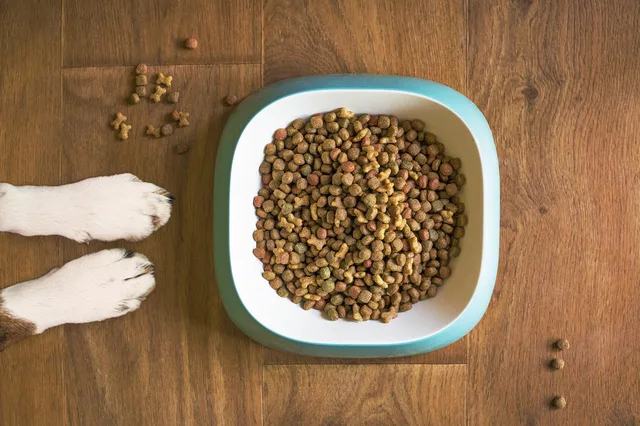
A puppy vigorously wags its tail while waiting for a bowl of food to be placed on the floor. The owner watches the puppy's energy levels, wondering if the current serving size supports healthy growth.
Calorie needs for pups are highly dependent on their growth stage and activity levels. While specific caloric numbers vary, the focus remains on providing enough energy to support bone and muscle development without causing obesity.
It is essential to monitor the pet's body condition score regularly to adjust portions.
However, these general guidelines may not apply to puppies with specific growth abnormalities or specialized medical needs.
How does weight based dog feeding impact health?
At dusk in the dimly lit kitchen, I feel the heavy weight of the bag as I scoop out the dog food.
An owner gently feels the ribs of their dog during a monthly wellness check to assess body condition. They note how the dog's weight changes as they adjust the amount of food provided each morning.
Weight based dog feeding is the practice of adjusting portions to maintain an ideal body mass index for the animal. Overfeeding can lead to joint stress, while underfeeding may result in muscle wasting or nutrient deficiencies.
Monitoring weight ensures the caloric intake remains appropriate for the pet's physical stature.
However, relying solely on weight without considering body condition score can lead to inaccurate nutritional assessments.
Is there a safe dog food selection process?
A shopper walks down a pet food aisle, reading the fine print on various colorful bags and cans. They pause to look for specific regulatory symbols and nutritional claims.

A safe dog food selection relies on verifying nutritional adequacy through recognized standards.
In the United States, dog foods labelled as "complete and balanced" must meet standards established by the Association of American Feed Control Officials (AAFCO), either by meeting a nutrient profile or by passing a feeding trial.
This verification ensures the food contains the necessary vitamins and minerals.
- Review the ingredient list for high-quality protein sources.
- Check the nutritional adequacy statement on the packaging.
- Consult with a veterinarian to ensure the food meets your pet's specific life stage requirements.
How can I perform a protein content check?
A person sits at a table with two different bags of food, comparing the ingredient lists side by side. They use a highlighter to mark the percentage of protein listed on each nutritional panel.
Performing a protein content check involves looking closely at the guaranteed analysis on the packaging. Some diets have a protein level lower than others, such as 18-20%.
Comparing these levels helps owners understand if the food is optimized for muscle maintenance or if it is a lower-protein option.
However, checking the label alone does not account for the actual digestibility of the protein sources provided.
What is the difference between dry and wet food?
An owner pours dry kibble into a ceramic bowl, hearing the distinct clatter of the hard pellets. They then open a can of wet food, noting the much softer, more hydrated texture.
The primary difference between these formats is the moisture content and how it affects caloric density.
| Food Type | Moisture Content |
|---|---|
| Dry Food | 6–10% moisture |
| Wet Food | 60–78% water |

Dry food usually consists of bagged pellets that contain 3-11% water. In contrast, wet food contains roughly 60-78% water, which is significantly higher in moisture than dry or semi-moist food. Because wet food is so much more hydrated, it may be more expensive per energy calorie than dry food.
However, the nutritional benefits of one type over the other depend entirely on the specific formulation and your dog's dietary requirements.
Wikipedia: Hot dog (full) Based on the retained excerpt mentioning Sausage Council: In 2005, the US-based National Hot Dog & Sausage Council (part of the American Meat Institute) found mustard to be the most popular, preferred by 32% of respondents; 23% favored ketchup; 17% chili; 9% pickle relish, and 7% onions.
What conditions necessitate adjusting the diet?
- 1. Changes in the pet's physical state demand a review of the existing diet. 2. 2. Weight fluctuation prompts an owner to re-evaluate the caloric distribution in the diet. 3. 3. A change in the pet's activity level requires modification to the energy density provided in the diet.
The management of a pet's diet must adapt when the animal undergoes developmental changes or experiences shifts in physical condition. Recognizing these triggers allows owners to make necessary adjustments to the nutritional intake.
This careful consideration prevents the diet from becoming inappropriate for the pet's current needs.
When the pet's weight changes, the inherent energy density of the food must be re-assessed against the pet's current mass. For instance, if the pet gains weight, the owner must reduce the serving size to prevent excessive caloric accumulation.
Conversely, if the pet loses weight, the diet may need a slight increase in energy concentration to support recovery.
Monitoring the pet's overall health serves as a critical indicator for managing a pet's diet. If the pet exhibits signs of discomfort or poor coat quality, it suggests the current nutrient balance might not be optimal, necessitating a closer look at the food label standards.








Comments 0