Dog feeding amount by breed: How moisture affects feeding
"Pet food production is responsible for 20-30% of the environmental impacts from animal production."
Calculating the right amount of food for a pet involves balancing nutritional requirements with the specific physical characteristics of the food being served.
This guide covers how to approach portioning, the differences between dry and wet food moisture, and the regulatory standards that define "complete and balanced" meals.
Key takeaways include managing moisture levels, understanding moisture-to-calorie ratios, and recognizing the standards set by organizations like the Association of American Feed Control Officials (AAFCO).
How do moisture levels affect feeding?
At dawn in the kitchen, my fingers brush against the parched, dusty surface of the kibble while I consider the logistics of feeding.
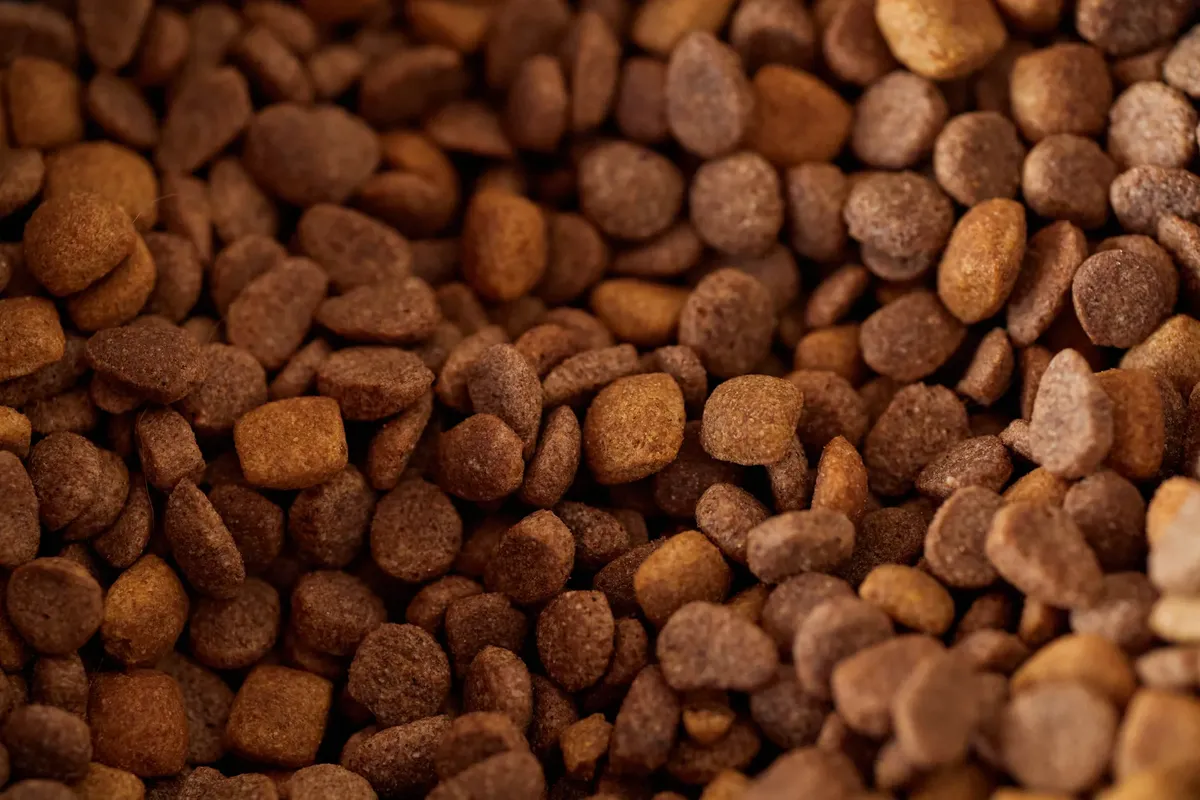
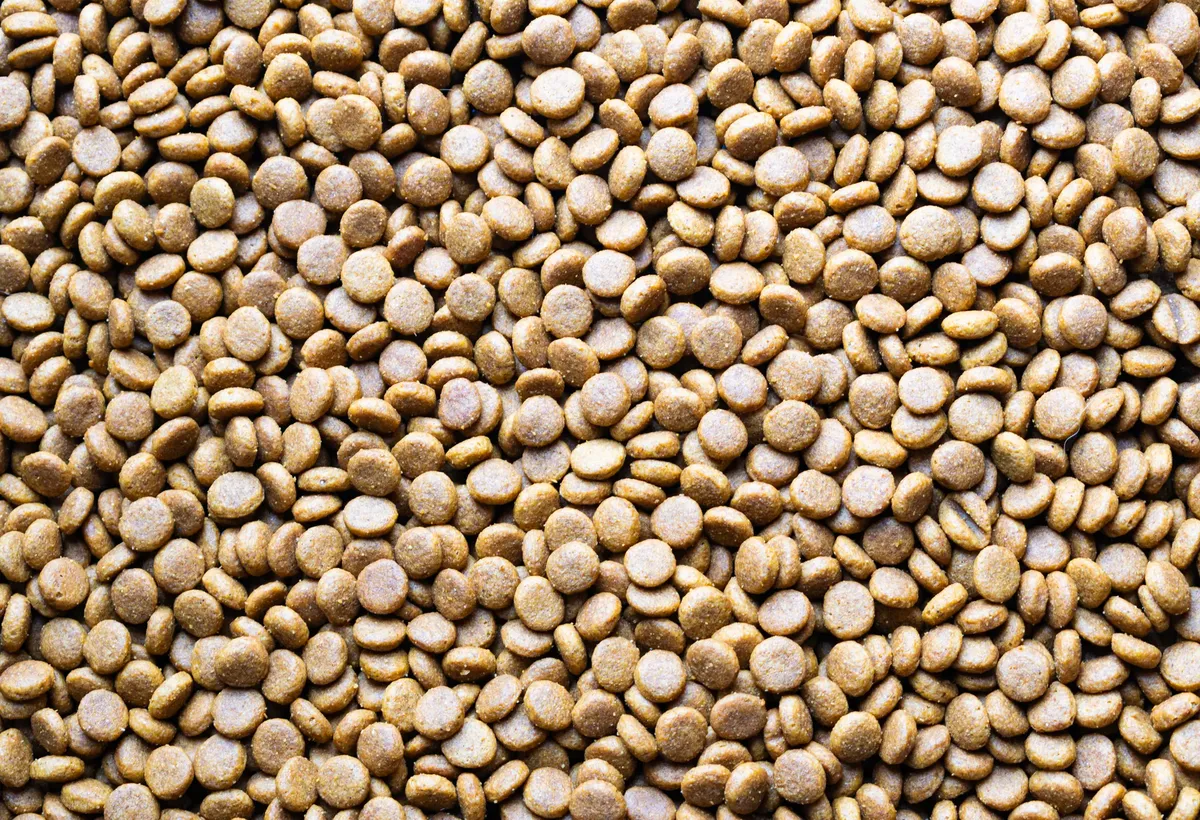
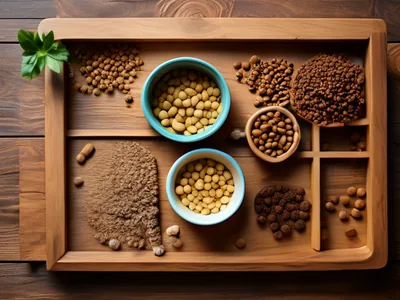
A hand reaches into a bag of kibble, feeling the hard, dry pellets that crunch under pressure. Because dry dog food usually consists of bagged pellets that contain 3-11% water, the caloric density is much higher than wet alternatives.
When determining a dog feeding amount by breed, the moisture content of the food dictates the physical volume of the meal. Dry foods are concentrated, whereas wet food contains roughly 60-78% water, which is significantly higher in moisture than dry or semi-moist food.
This difference means that a volume of wet food that fills a bowl might only represent a fraction of the calories found in a smaller scoop of dry food.
Using a vet guide feeding amounts approach requires adjusting for these density differences. If a pet requires a specific caloric intake, a owner must account for the fact that wet food is less calorie-dense due to its water content.
This adjustment ensures the pet receives proper nutrition without overeating or undernourishing.
In this sequence, the first step is the most critical.
What are the differences between dry and wet food? Dog feeding amount by breed
A scoop of kibble is weighed on a digital scale, followed by a measuring cup filled with canned food to compare the visual volume. The comparison between these two formats is essential for accurate calorie management.
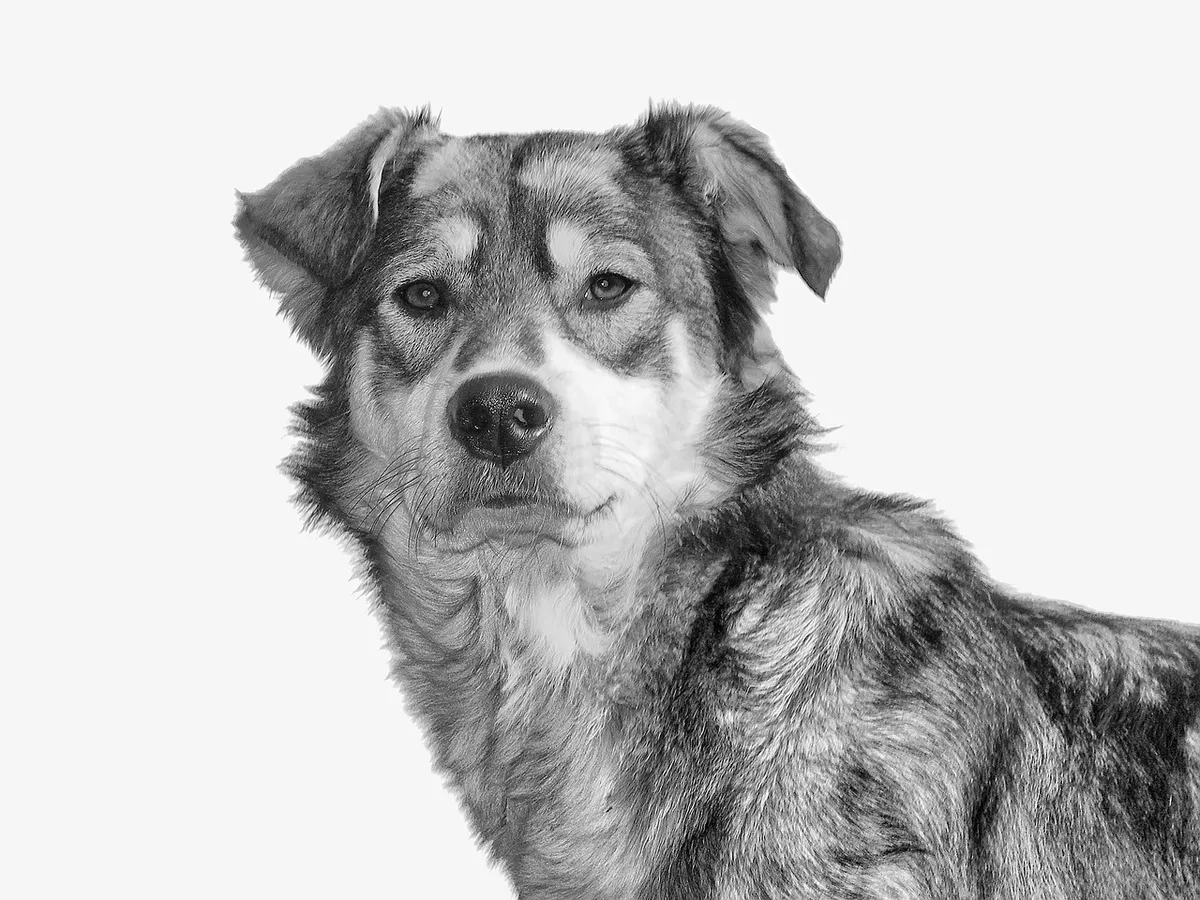
The primary difference lies in the water weight and how that affects the energy provided per gram. Dry food contains 6–10% moisture by volume, as compared to 60–90% in canned food. This makes dry food a much more compact source of energy.
| Food Type | Moisture Content | Energy/Weight Ratio |
|---|---|---|
| Dry Food | 3-11% water | Higher caloric density |
| Wet Food | 60-78% water | Lower caloric density |
I once noticed how a single cup of wet food looked massive compared to a small handful of kibble, even though they provided similar energy. When calculating dog food intake, this volume-to-calorie discrepancy is the most common source of error.
- Calculate the total caloric density of the food.
- Determine the required daily caloric intake.
- Adjust the volume based on the specific moisture content.
How are nutritional standards established?
Late at night in the quiet study, I grip a heavy manual and squint at the fine print while pondering the rules of feeding.
A label is held up to the light, eyes scanning the fine print for regulatory compliance and ingredient lists. Understanding these labels helps owners verify the quality of the food they provide.
According to the British Small Animal Veterinary Association, in 2016, the British Small Animal Veterinary Association Congress, discussed the health implications and nutritional balance of raw feeding.
In 2016, the British Small Animal Veterinary Association Congress, discussed the health implications and nutritional balance of raw feeding, according to the Association Congress.
In the United States, dog foods labelled as "complete and balanced" must meet standards established by the Association of American Feed Control Officials (AAFCO), either by meeting a nutrient profile or by passing a feeding trial.
This ensures that the food provides all necessary vitamins and minerals.
According to the Association of American Feed Control Officials (AAFCO), animal by-products in pet food may include parts obtained from any animals that have died from sickness or disease, provided they are rendered in accordance to law.
This standard provides a baseline for nutritional completeness across various ingredient types.
What are the practical steps for portioning?
A pet owner sits at a kitchen table, carefully measuring out portions into separate bowls for two different sized dogs. The process requires precision to avoid weight fluctuations in pets.
To manage breed specific food needs effectively, follow these steps:
- Determine the total daily caloric requirement based on the pet's weight, age, and activity level. 2. Select the food type and identify its caloric density per cup or gram. 3. Divide the total daily calories into two or more feedings to maintain metabolic stability.
Always perform a final check by monitoring the pet's body condition score and weight over time. If the pet's weight changes, the portions must be adjusted to match the new caloric needs.
Are there limitations to these calculations?
A scale sits idle on the counter, representing the mathematical precision used to manage pet health. While calculations are helpful, they are not a substitute for professional veterinary advice.
One limitation is that these calculations do not account for the unique metabolic rates of individual animals. For instance, a pet with a specific medical condition may require a specialized diet that deviates from standard caloric formulas.
The same subject is also called Real case feeding guides.
This part also covers Vet actual feeding examples.
This part also covers How vets calculate portions.
This part also covers Breed size feeding charts.
Vet actual feeding examples
Related
- What 5 kg is the role of fat in cat feeding conversion rate?
- Senior dog feeding needs: Guide to energy requirements
Why does moisture content matter for portioning?
Moisture content dictates the physical volume of the food relative to its caloric density. Because dry food contains only 3-11% water, it is much more concentrated than wet food, which contains 60-78% water.
This comparison means that a large volume of wet food might provide the same calories as a much smaller portion of dry food.
When managing food production for a pet's diet, an owner must account for this density difference to ensure accurate feeding. If the goal is to meet a specific caloric intake, the volume of the meal must be adjusted based on whether the food is dry or wet.
Failure to account for the water weight in wet food can lead to incorrect portioning.
What precautions should owners take when adjusting portions?
Owners should monitor the pet's body condition score and weight to ensure the calculated portions are appropriate. If a pet's weight changes, the owner must adjust the portions to match the new caloric needs.
This adjustment is necessary because standard calculations may not account for individual metabolic rates or specific medical conditions that require specialized diets.
FAQ
How does moisture affect the calorie count?
What does "complete and balanced" mean?
Related posts
What 5 kg is the role of fat in cat feeding conversion rate?
Senior dog feeding needs: Guide to energy requirements

Cat feeding amount by weight: Guide to manage needs




Comments 0