Caviar for Cats: Calculate Safe Portions Under 10% Intake
"Is a luxury treat a special gift or a hidden danger for your feline companion?"
Treating your cat to caviar might seem like the ultimate way to celebrate a special occasion, but it requires extreme caution. Because of high salt levels and concentrated nutrients, what seems like a small morsel can have a significant impact on a cat's delicate physiology.
Key Takeaways * Difficulty Level: Very High (due to high sodium and nutritional density) * Time Required: Approximately 10 minutes for calculation and preparation * Essential Tools: A digital scale, nutritional label, and your cat's daily caloric needs
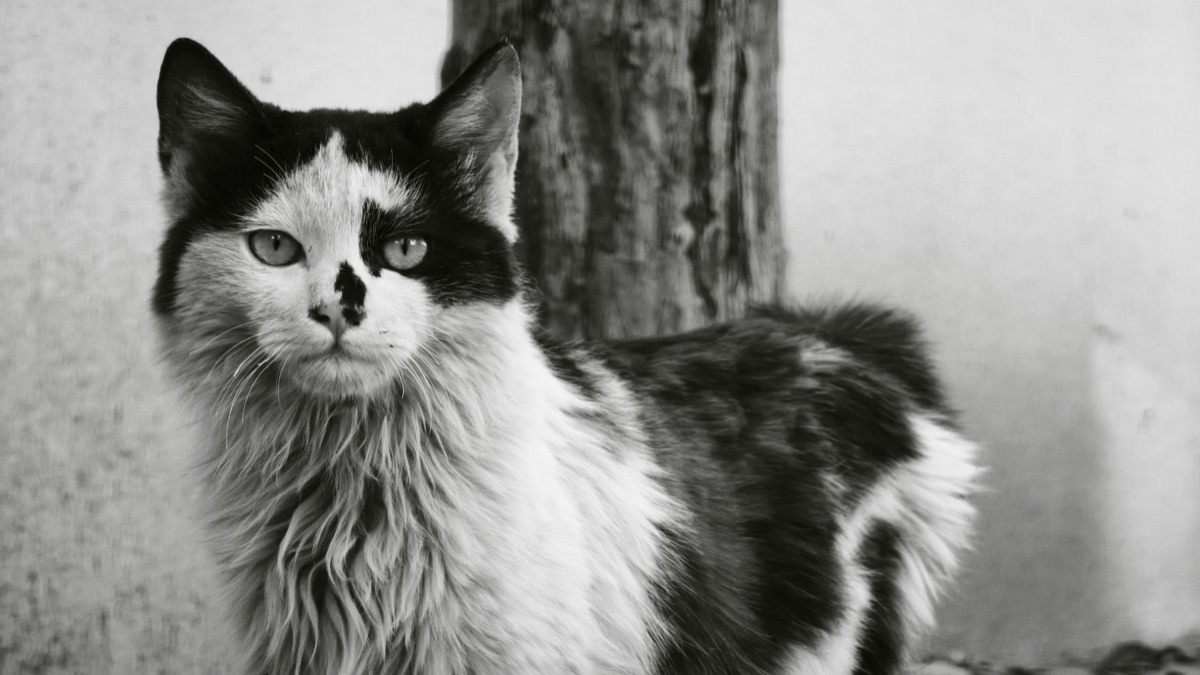
Why is caviar such a difficult challenge for cats?
Late at night, under the soft glow of a living room lamp, a cat approaches a small, shimmering dish of black pearls. As the cat leans in, its nose twitching with curiosity, a pet owner might feel a mix of excitement and sudden apprehension.
For a cat, caviar is an incredibly potent sensory experience. Their sense of smell is far more sophisticated than ours.
Cats possess an acute sense of smell, due in part to their well-developed olfactory bulb and a large surface of olfactory mucosa, about 5.8 cm² (0.90 in²) in area, which is about twice that of humans. This intense aroma makes caviar an almost irresistible temptation.
However, this temptation carries hidden risks. While caviar is a concentrated source of ocean nutrients, it is also packed with salt. A cat's small body has a much more limited capacity to process high sodium levels compared to a human's.
Therefore, providing this treat isn't just about portion control; it is a matter of nutritional management.
Is simply reducing the amount enough, or are there deeper biological factors to consider?

How do we determine a cat's weight and metabolic needs?
In the quiet of the afternoon, a hand lifts a heavy cat onto a scale, feeling the warmth of its fur against a palm.
Imagine sitting on a living room chair, gently lifting your cat onto a scale to check their weight. As the cat jumps up, you feel its solid weight against your palms, prompting a quick glance at the numbers.
The first step in calculating a safe portion is knowing your cat's exact weight. While adult domestic cats typically weigh 4–5 kg (8.8–11.0 lb), individual variations are common, so an accurate measurement is vital.
Once weight is established, you must determine the Daily Energy Requirement (DER). Knowing how many calories a cat burns daily allows you to calculate exactly what percentage of their diet a high-calorie luxury like caviar should occupy.
| Factor | What to Check | Purpose |
|---|---|---|
| Current Weight | Precise measurement in pounds or kg | Foundation for calculating metabolic rate |
| Activity Level | Spayed/neutered status and energy levels | Adjusting caloric needs based on lifestyle |
| Life Stage | Kitten, adult, or senior status | Reflecting age-specific nutritional needs |
With weight and calories in hand, the next question is how to translate these numbers into a single, safe bite.
What are the nutritional risks of caviar?
Opening a chilled jar of caviar, the sharp, briny scent of the sea fills the kitchen. A pet owner carefully studies the ingredient label, trying to weigh the pros and ability to manage the cons.
Caviar is a nutritional powerhouse, rich in protein, fats, and omega-3 fatty acids. However, for a cat, two specific issues create a conflict.
First is the sodium content. Many types of caviar are preserved using salt. Excessive salt intake can put an immense strain on a cat's kidneys.
Second is nutritional imbalance. Caviar is highly specialized. It cannot serve as a meal replacement and must be treated strictly as a microscopic "extra."
So, exactly how much is too much? Let's look at the math.
A 3-step guide to calculating safe portions
Watching a cat lounge contentedly after a meal, a owner might pull out a calculator to double-check if today's treat was within safe limits.
Step 1: Calculate Daily Caloric Needs (RER/DER) First, determine the Resting Energy Requirement (Re-E-R). Then, apply an activity factor to find the Daily Energy Requirement (D-E-R), which is the total calories needed for the day.
Step 2: Set the Treat Threshold As a general rule, treats should never exceed 10% of a cat's total daily caloric intake. Because caviar is incredibly calorie-dense, you must work within a tiny fraction of that 10% limit.
Step 3: Convert Calories to Weight Check the caloric density of the caviar. If a cat needs 200 calories a day, 10% is 20 calories. If the caviar has 20 calories per gram, the maximum amount allowed is just 1 gram.
[Calculation Example Guide] 1. Identify your cat's total daily calorie needs. 2. Calculate 5% to 10% of that total. 3. Check the calories per gram on the caviar packaging. 4. (Allowed Calories) ÷ (Calories per gram of caviar) = Maximum weight allowed.
While the math is straightforward, there is a major variable that can override these numbers entirely: the cat's health.
When to strictly limit or avoid feeding
Watching a cat zoom through the house is joyful, but seeing them suddenly lethargic or quiet can be deeply concerning.
Not every cat is a candidate for luxury treats. You should never consider feeding caviar to cats with the following conditions:
* Kidney Disease: High sodium and high protein levels can be dangerous for renal health. * Obesity: The high fat content in caviar makes weight management difficult. * History of Pancreatitis: High-fat foods can trigger or worsen pancreatic inflammation. * Allergies: If a cat has a known fish protein allergy, an immediate reaction may occur.
For cats in these categories, the math doesn't matter—the risk is too high. Always consult a veterinarian before introducing any new food.
Now, if you have decided to proceed, what are the final checks to ensure safety?
Final checks and safety precautions
As a cat licks its chops after a small snack, the owner watches closely, feeling a mix of satisfaction and lingering tension.
If you decide to offer caviar, follow these rules:
- Verify Low Sodium: Ideally, look for natural, unsalted caviar, though even then, the portion must remain tiny. 2. Start Small: Do not give the full calculated amount immediately. Start with a microscopic piece to monitor their reaction. 3. Encourage Hydration: Because of the salt, ensure your cat has access to plenty of fresh, clean water after eating. 4. Monitor for Abnormalities: If you notice vomiting, diarrhea, or lethargy, stop immediately and contact a vet.
[FAQ]
Q: Can I give my cat a little bit of caviar every day? A: It is not recommended. The risk of nutritional imbalance and sodium buildup makes it better to keep this as a very rare, special occurrence.
Q: What should I do if my cat vomits after eating caviar? A: Stop feeding immediately and contact your veterinarian. It is helpful to tell the vet exactly how much was eaten and how soon after the vomiting occurred.
Q: Is it better to give my cat regular fish instead? A: Yes. Standard fish is much safer, more predictable for nutritional balance, and significantly more cost-effective.
[Closing Thoughts]
A special treat is an expression of love from a pet owner to their companion. However, the most important part of that love is protecting their health. While caviar is an alluring luxury, remember that it can be an overwhelming stimulus for a small feline body.
Through careful calculation and a focus on health, you can ensure that these special moments remain healthy and joyful for years to come. Note: This guide is provided for informational purposes only and does not replace professional veterinary diagnosis or treatment.
If your cat has health issues or suspected illness, always consult a veterinarian. Do not feed high-risk cats any novel foods without professional medical advice.








Comments 0