Dog Caviar Treats: Watch Out for Digestive Emergencies
"Treating your dog to a luxury delicacy might feel like a special bond, but high-fat foods can quickly turn a celebration into an emergency."
If you are considering offering caviar to your dog, understand that while it is not toxic in the same way onions are, its extreme caloric density and salt content pose significant digestive risks. Always prioritize a stable, balanced diet over high-fat novelties.
* High Fat Risk: The primary concern is pancreatitis caused by sudden, high fat intake. * Portion Control: Caviar must be treated as a tiny garnish, never a meal. * Sodium Watch: High salt content can lead to dehydration or electrolyte imbalances. * Sourcing Matters: Contaminants like heavy metals require high-quality, verified products.
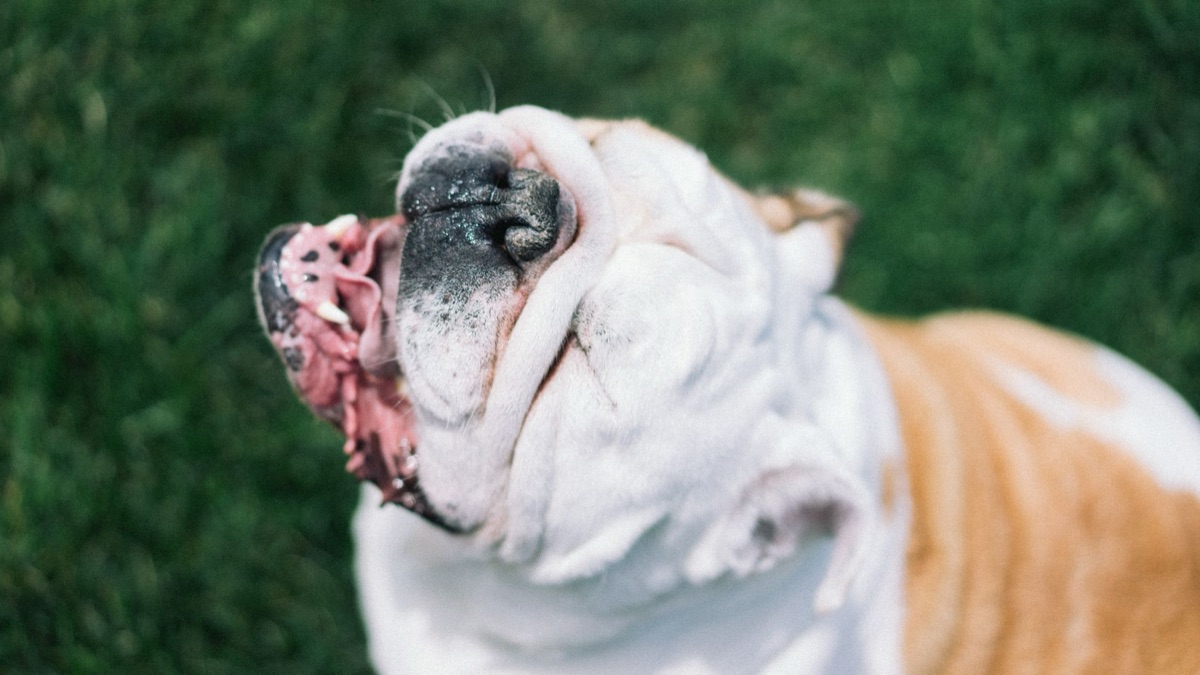
What is caviar and why is it high-risk for dogs?
At 7:30 PM on a Friday, you sit at a polished mahogany dining table, a small jar of sturgeon roe catching the light. You look over at your dog, waiting expectantly by your chair, and wonder if a single spoonful is worth the risk.
While the golden hue of the eggs looks appetizing, the biological reality for a dog is much more complex.
Caviar is composed of highly concentrated marine lipids and trace minerals. While these nutrients are dense, they are not formatted for the rapid gastric emptying seen in many canine breeds.
If a dog consumes a significant amount of fat at once, it can trigger an inflammatory response in the pancreas. This condition, known as pancreatitis, can be life-threatening and often requires hospitalization.
Beyond the fat, there is the issue of purity. Marine products can carry heavy metals or bacteria if not handled with extreme care. While a high-quality salmon oil is a controlled way to provide omega-3s, raw caviar is an unpredictable variable.
The difference between a controlled supplement and a raw luxury item lies in the concentration. A single gram of caviar packs a much heavier punch than a standard kibble pellet, making the margin for error incredibly slim.
But the risk isn't just about the fat content alone.
Is caviar inherently safe for canines?
You walk through a specialty grocery store in the city, browsing aisles of preserved delicacies. You see various types of roe, from salmon to sturgeon, all looking equally delicious under the bright lights. However, not all marine life is created equal when it comes to canine safety.
Caviar is not inherently toxic, but its safety is entirely dependent on the species and the preservation method. For example, certain types of fish roe might contain higher levels of specific minerals that could be problematic in large amounts.
The way the caviar is prepared is equally critical. Many luxury caviars are cured with salt to preserve freshness. While salt is a mineral, an excess can lead to immediate issues like thirst, vomiting, or even more severe sodium poisoning in smaller dogs.
It is also important to distinguish between "trace amounts" and "sustained intake." A single grain of caviar might be a negligible risk for a large, healthy adult, but regular use can lead to chronic issues like weight gain or gallbladder problems.
The danger often lies in the invisible details of the product.
How do you calculate the perfect dose?
You stand in your kitchen on a Tuesday morning, looking at a small jar of expensive roe and then at your 20-pound terrier. You wonder how much is too much and if a "small treat" could accidentally become an overdose. Without a clear plan, the line between a treat and a medical crisis vanishes.
To understand the dose, you must first understand the dog's baseline. According to the Association of American Feed Control Officials (AAFCO) nutrient guidelines, adult dogs require a minimum protein requirement of 18% on a dry matter (DM) basis for maintenance.
While caviar is high in protein, its fat-to-protein ratio makes it an inefficient source for meeting these daily needs.
When calculating a dose, think in terms of "micro-servings." For a medium-sized dog, a portion should never exceed a few small grains. If you are looking at a 10-pound dog, even a single teaspoon might be too much for their sensitive digestive tract.
Treat caviar as a topper, not a meal. It should never replace the balanced nutrition provided by high-quality dry food, which typically contains 3-11% water, or canned food, which has 60-90% moisture. Use it as a momentary flavor enhancement, not a nutritional foundation.
| Dog Size | Suggested Maximum Portion | Frequency |
|---|---|---|
| Toy (under 10 lbs) | 1-2 small grains | Rarely |
| Small (11-25 lbs) | 1/4 teaspoon | Very Rarely |
| Medium (26-50 lbs) | 1/2 teaspoon | Monthly/Special Occasions |
| Large (51+ lbs) | 1 teaspoon | Monthly/Special Occasions |
When I tried to introduce a tiny bit of salmon roe to my own dog last year, I realized just how much a single gram can change a dog's behavior and appetite. The scale of the portion is the most important factor.
But even with the right dose, you need a strategy for how to serve it.
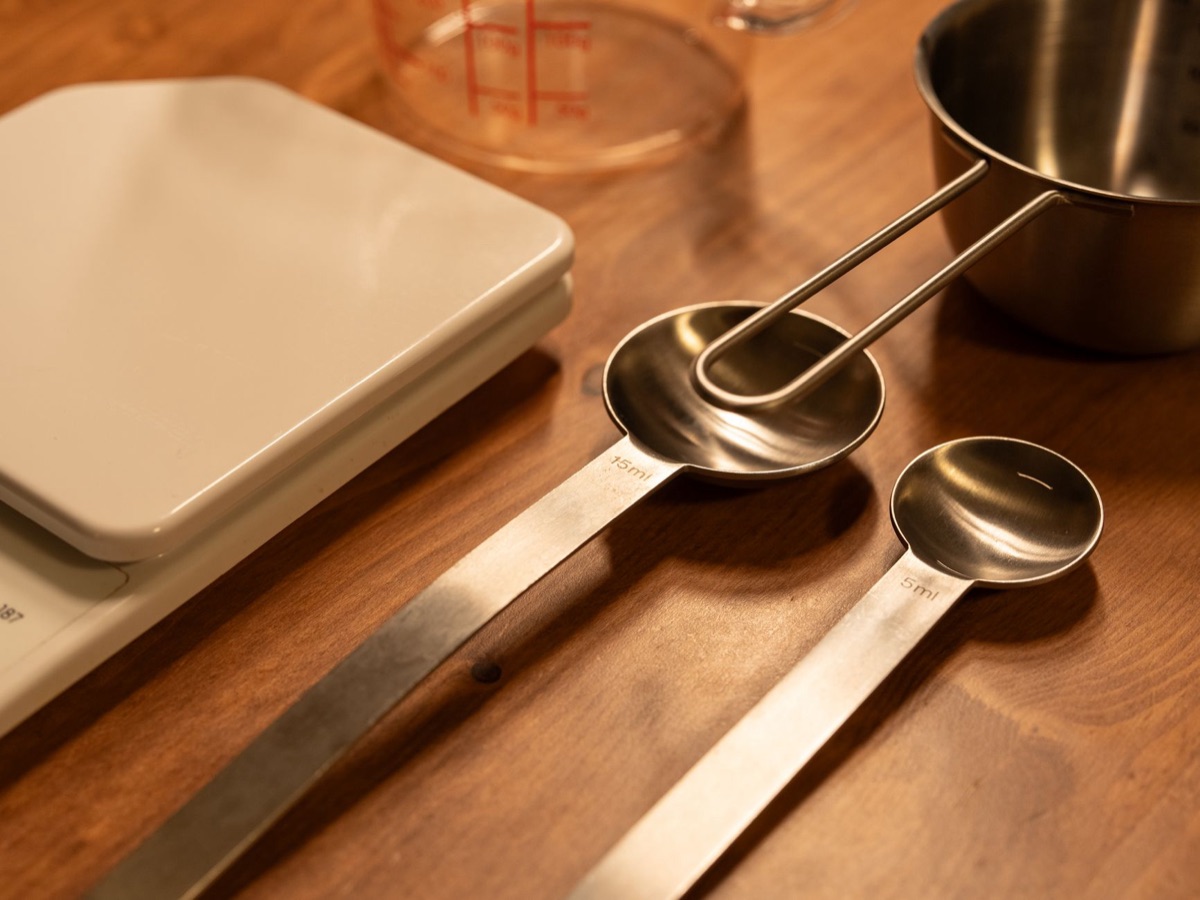
How do you integrate caviar into a balanced diet?
You carefully prepare a bowl of lean, shredded chicken and plain white rice in your kitchen, looking for a way to mix in a tiny bit of luxury. Integrating a high-fat item requires a stable base to act as a buffer.
Always pair caviar with a known, easily digestible staple. Lean proteins or a small amount of fiber-rich vegetables can help slow down the absorption of fats. This prevents the "sugar crash" equivalent of fat, where the body is hit with a massive caloric load all at once.
If you decide to introduce it, follow these steps to ensure safety:
- Verify the Base: Ensure the dog's regular meal is low-fat and has been recently consumed.
- Introduce Slowly: Offer only a single grain first and wait 24 hours to monitor digestion.
- Monitor Hydration: Provide plenty of fresh water immediately after the treat to offset salt.
- Check the Texture: Ensure the caviar is mixed thoroughly so the dog doesn't swallow a large clump at once.
Frequency is the key to long-term health. This is not a weekly supplement. It is a "once in a blue moon" event. If you find yourself reaching for the caviar often, you are no longer feeding a treat; you are altering their dietary profile, which can lead to obesity.
Even with perfect preparation, you must be ready for the unexpected.
What are the red flags and warning signs?
You notice your dog is acting strangely after a special dinner, looking sluggish and avoiding their water bowl. Recognizing the difference between a "tummy ache" and a medical emergency is vital.
First, check the product itself. If the caviar has a pungent, off-putting odor, a slimy texture, or any discoloration, discard it immediately. Never feed spoiled seafood to a pet, as the bacterial load can be fatal.
Second, watch for allergic reactions. While rare, some dogs may have sensitivities to specific fish proteins, resulting in skin irritation, redness, or excessive itching.
Third, be alert to signs of overconsumption. If your dog becomes excessively lethargic, has a distended abdomen, or seems to be in pain when moving, they may be experiencing pancreatitis.
If these symptoms occur, do not attempt to treat them at home with more food or water. Contact a veterinary professional immediately. A sudden spike in fat intake can lead to acute pancreatitis, which requires professional medical intervention.






Comments 0