How to change pet food with a 25% increase every two days
"A balanced diet is the foundation of pet longevity, yet the transition between nutritional profiles requires precise management to avoid digestive upset or nutrient imbalances."
Learning how to change pet food requires a gradual mixing process to prevent gastrointestinal distress and ensure they accept the new flavors. This guide is for pet owners looking to switch food types, such as moving toward raw feeding, while managing picky eating through portion control.

You should follow a multi-day blending schedule, monitor for digestive issues, and avoid sudden shifts in nutrient ratios. A significant limitation is that homemade diets may lack specific micronutrient balance.
How to manage a pet food transition guide?
In the dim kitchen at dawn, you feel the rough texture of the bag as you prepare to change the ratio of the kibble.
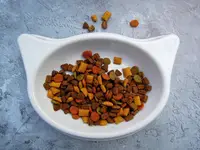
You stand in the kitchen, holding a bag of new kibble in one hand and a scoop of the current food in the other. The goal is to slowly introduce new flavors to a picky eater to prevent them from rejecting the meal entirely.
A successful pet food transition guide involves gradually increasing the ratio of the new food over several days. Starting with a small amount of the new diet helps the digestive system adapt to different protein sources and fat levels.
If a pet is highly selective, mixing the new food with a small amount of their current favorite can encourage acceptance.
Following these established guidelines helps ensure that the transition does not result in a sudden deficiency.
- Mix a small amount of the new food with the old food.
- Gradually increase the proportion of the new food over several days.
- Transition fully to the new food once the old food is completely phased out.
- I find that the second step is the most important part of this process.
How to change pet food to fix picky eating habits
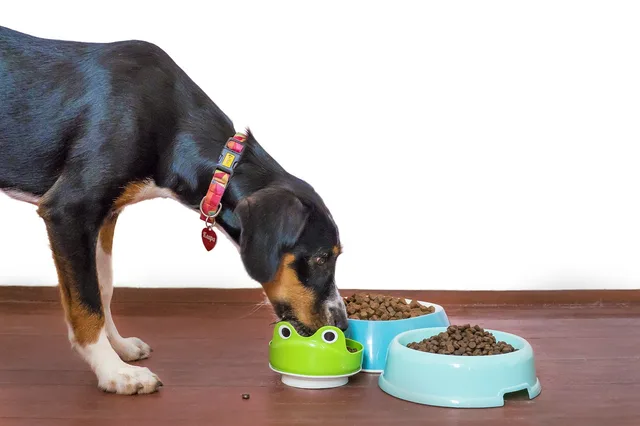
At dusk in the quiet living room, you watch your dog turn away from the bowl, realizing you must change your approach to the new scent. You watch your dog sniff at the bowl, only to turn away from the new scent. Implementing a method for fixing picky eating habits requires patience and a structured approach to portioning.
To address picky eating, you must ensure the new food is palatable while maintaining caloric needs. Instead of offering larger amounts of the old food to compensate, focus on the gradual integration of the new diet. This prevents the pet from associating the new food with hunger or dissatisfaction when learning how to change pet food.
One effective way to manage this is to observe the pet's interest level during each meal. If they refuse the bowl, the transition may be moving too quickly, or the new food's texture might be unfamiliar.
How do I calculate food portions?
You sit at the heavy wooden table in the morning, feeling the cool surface as you attempt to change the way you measure each meal. You sit at the dining table with a calculator and a notebook, trying to determine the exact grams needed for the next week. Calculating food portions is essential when moving between different caloric densities, especially when moving toward raw diets.
To calculate the correct amounts, follow these steps:
- Determine the current daily caloric intake of your pet based on their weight and activity level. 2. Identify the caloric density of both the old and new food sources. 3. Create a daily schedule that increases the new food percentage by roughly 25% every two days.
I find that checking the weight of the food on a digital scale is much more reliable than using a standard measuring cup to determine how much to feed daily. Once the transition is complete, perform a final check to ensure the pet's body condition remains stable.
Is there an effective food switching strategy for raw diets?
You open the refrigerator to find a package of fresh meat, preparing to implement an effective food switching strategy. Moving to a raw diet involves different nutritional components than standard kibble.
According to The Food and Drug Administration, the agency has released a document that gives guidance for the raw pet food industry on preparation, labelling, storage and transport.
When switching to raw feeding, the composition of the meal changes significantly. A general recommendation for such a diet is 80% meat, which includes meaty organs like the heart, 10% bone, and 10% organs, with half of that organ portion being liver.
| Component | Recommended Percentage |
|---|---|
| Meat (including heart) | 80% |
| Bone and Organs | 20% |
I compare the nutrient density of the new raw components against the previous dry food to ensure the transition is smooth.
What are the risks of homemade raw diets?

You inspect a homemade meal, wondering if the calcium and phosphorus levels are correct. Understanding the risks is vital when moving away from commercial products toward DIY solutions.
While raw feeding is a growing market, there are nutritional concerns to manage. A study on 95 homemade BARF diets found that 60% of these diets had an imbalance in either one, or a combination of calcium, phosphorus, vitamin D, iodine, zinc, copper, and vitamin A.
The commercial raw pet food market is estimated to be worth $169 million a year, which is less than 1% of the total pet food sales figure in North America, which stands at $18 billion. This indicates that while many owners transition, most still rely on commercial formulations.
Should you monitor the pet during the transition?
You observe your pet's behavior closely to ensure the balanced diet does not cause distress. Monitoring the pet during the transition involves watching for signs of gastrointestinal upset or changes in appetite.
If you notice digestive issues, you should slow down the blending schedule. This caution is necessary because a sudden shift in nutrient ratios or protein sources can lead to discomfort. Comparing the pet's reaction to the new food texture helps determine if the transition is moving too quickly.
How to prevent nutrient imbalances in DIY meals?
You carefully review the ingredient list to avoid the risks of homemade raw diets. Preventing nutrient imbalances requires a comparison between the new meal components and established nutritional standards.
To manage this, you must account for the specific ratio of meat, bone, and organs. Because homemade diets may lack specific micronutrient balance, you should compare the calcium and phosphorus levels against the requirements for a balanced diet.
This comparison helps mitigate the risk of deficiencies in vitamins like D, A, or minerals like zinc and copper.



Comments 0