How does a 10 percent rule feeding strategy work?
"The key to a healthy pet lies in the balance between caloric intake and nutritional density, ensuring that every meal supports long-term wellness."
Maintaining a healthy pet through a 10 percent rule feeding strategy involves balancing treats and supplemental snacks with primary meals to prevent obesity. This guide focuses on pet food amount guide principles to help owners manage weight and nutrition effectively.
Key takeaways include understanding caloric distribution, managing treat portions, and recognizing the environmental and regulatory context of pet nutrition.
How does a 10 percent rule feeding strategy work?
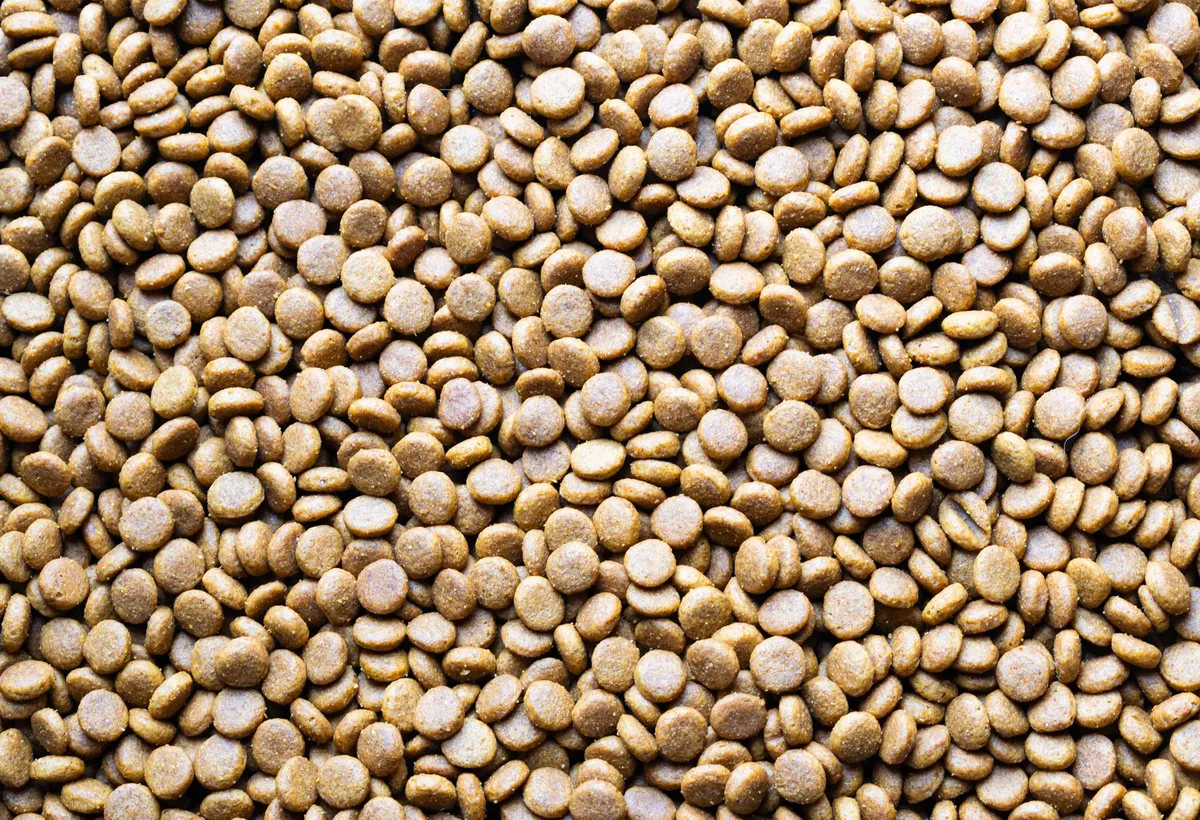
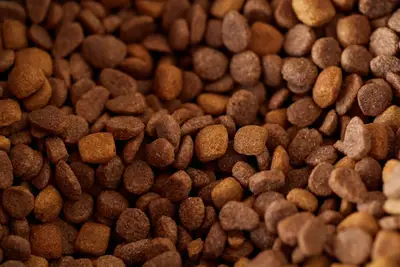
In the dim morning light of the kitchen, I pinch a tiny bit of kibble between my fingers to see how much the snack does to the daily limit.
A pet owner stands in a quiet kitchen, carefully measuring out a small scoop of kibble into a ceramic bowl. They pause to consider how a handful of treats might disrupt the daily nutritional balance.
The 10 percent rule feeding strategy suggests that treats and snacks should not exceed 10 percent of a pet's total daily caloric intake. This method ensures that the primary meals provide the bulk of essential nutrients while allowing for occasional rewards.
By keeping treats within this narrow margin, owners can prevent weight gain and ensure the main diet remains the primary source of vitamins and minerals.
Using 10 percent for pets requires a clear understanding of the caloric density of every snack provided. If a treat is high in fat or carbohydrates, the portion size must be significantly smaller to stay within the daily limit.
This balance is essential for pets that are prone to weight fluctuations or those on specific dietary management plans.
Can I use a food guide to manage my pet's weight? I grip the heavy paper guide in the quiet living room, feeling the texture of the page as I check how it does help me adjust the portions.
An owner sits on the living room floor, watching their dog eagerly wait for a small piece of dried meat. They check a digital scale to ensure the portion matches the planned daily allowance.
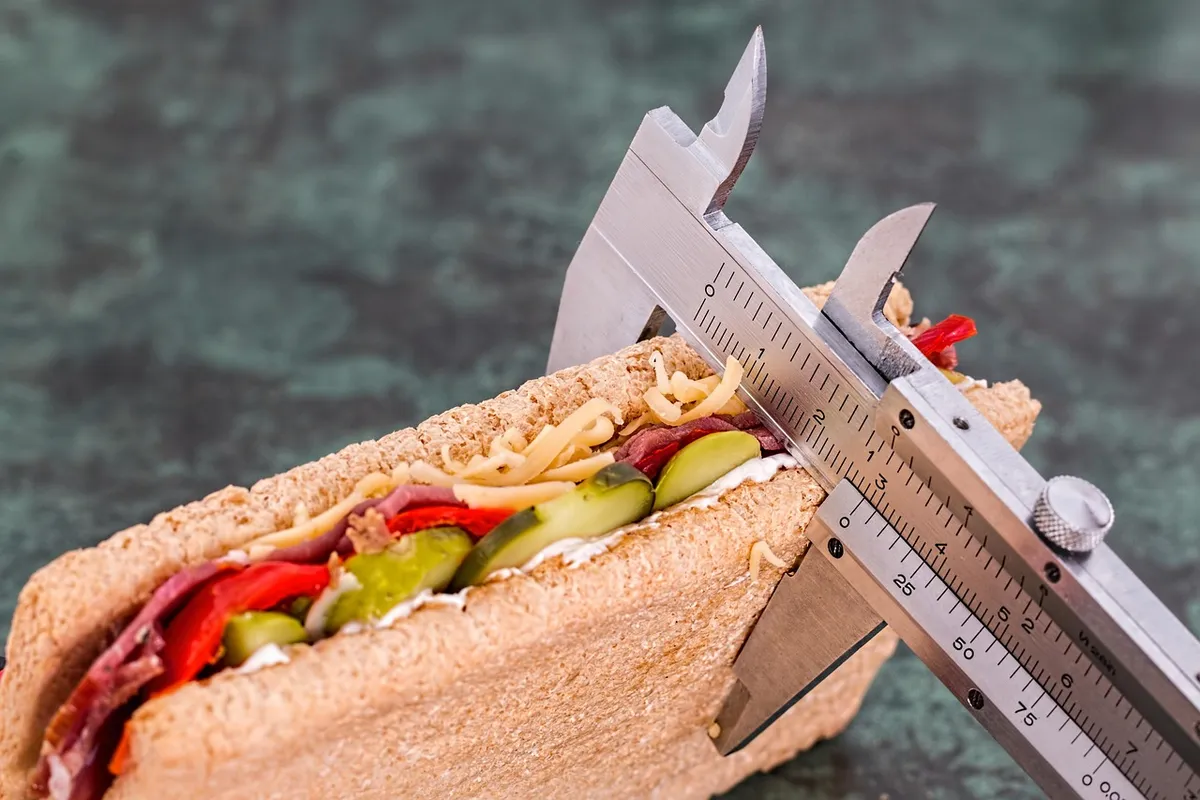
A pet food amount guide serves as a baseline for calculating the total daily energy requirements of an animal. Because every pet has different metabolic needs based on age, weight, and activity level, these guides provide a starting point rather than a rigid rule.
Owners use these guidelines to adjust the main meal portions when they introduce treats.
A balanced pet diet math approach requires subtracting the calories provided by treats from the total daily requirement before measuring the main meal. For example, if a dog requires 500 calories a day, the treats should not exceed 50 calories.
This prevents the cumulative effect of "extra" snacks from leading to overfeeding.
How does nutritional balance affect daily feeding? A cat jumps onto a kitchen counter, sniffing at a small bag of treats with focused intensity. The owner gently moves the bag aside, knowing the main meal is already prepared.
Maintaining nutrition balance pet health requires that the primary diet contains all necessary micronutrients, such as vitamins and minerals. Because treats are often calorie-dense but nutrient-poor, relying too heavily on them can lead to nutritional deficiencies.
The 10 percent rule protects the integrity of the main diet by limiting the impact of these low-nutrient snacks.
Weight management pet diet success depends on consistent monitoring of the pet's body condition. If a pet begins to gain weight, the owner must adjust the portions of both the main meals and the treats.
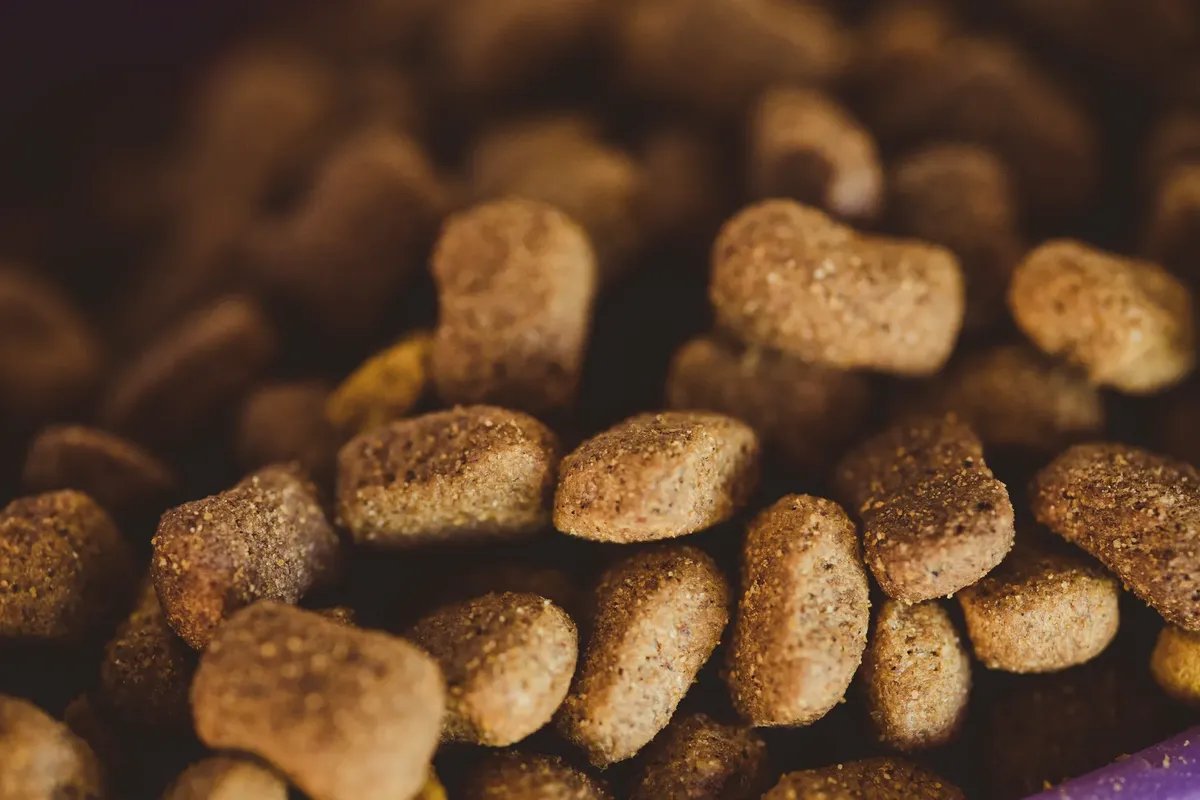
This constant recalibration ensures that the pet remains at an ideal weight while still receiving the variety they enjoy.
How do I calculate pet food when using the 10 percent rule?
A person holds a bag of kibble and a small measuring spoon, looking back and forth between the two. They write a quick note on a notepad to keep track of the day's totals.
To implement this rule, follow these three steps:
- Calculate the total daily caloric requirement for the pet based on their current weight and activity level. 2. Allocate 10 percent of those total calories to treats and 90 percent to the primary meals. 3. Measure the exact caloric content of the treats to ensure they do not exceed the 10 percent threshold.
After completing these steps, perform a final check by observing the pet's physical condition and energy levels over several weeks. I once adjusted my own dog's portions after realizing the treats were pushing him over his caloric limit.
If the pet's weight remains stable, the calculation is likely accurate for their current needs.
Is there a limit to this feeding rule?
An owner looks at a pet that is much larger than the standard breed size, noting the unique challenges of managing a giant breed. They wonder if the same percentages apply to much larger or smaller animals.
A limitation of the 10 percent rule is that it does not account for the specific nutrient density of different foods. For instance, a treat with 40% ash content or different mineral levels might affect health differently than a standard snack.
| Feeding Category | Percentage of Total Calories |
|---|---|
| Primary Meals | 90% |
| Treats/Snacks | 10% |
The rule is a tool for caloric management, but it does not replace the need for a diet that meets specific biological requirements.
- How does a 10 percent rule feeding strategy work?
- Can I use a pet food amount guide to manage weight?
- What is the role of nutrition balance pet in daily feeding?
The same subject is also called how to calculate pet food.
The same subject is also called dog cat feeding ratio.
using 10 percent for pets
Related
- How does pet energy consumption to human needs?: 163 million
- Pregnancy pet diet guide: Best diet for developing offspring
When is the 10 percent rule insufficient for a pet's healthy needs? The 10 percent rule provides a framework for caloric distribution, but it does not substitute for a complete nutritional profile. Certain pets may possess unique metabolic conditions that require specific dietary adjustments beyond simple caloric restriction. Owners must recognize when the general guidelines do not align with the pet's specific health requirements. As reported by JAMA neurology, lifetime QALYs increased by 0.133 with aducanumab and 0.408 with donanemab.
This feeding strategy assumes the primary food meets established nutritional standards, which is a critical condition for its success. If the main diet lacks certain vitamins or minerals, no amount of treat restriction will guarantee a truly healthy outcome.
The balance of the entire diet, not just the treats, determines long-term wellness.
Owners should consult a veterinary nutritionist if they suspect their pet's dietary needs fall outside the scope of the 10 percent guideline. Such professional guidance addresses the nuances that the general rule cannot cover, ensuring the pet's overall health is supported.



Comments 0