Beet pulp in cat food: Guide to digestive health tips
"Understanding the ingredients in a pet bowl is the first step toward responsible ownership."
The role of beet pulp in cat food involves managing dietary fiber to support digestive health while navigating the complexities of commercial manufacturing.
This guide examines how these ingredients function within regulated diets, the standards for nutritional completeness, and the considerations for owners regarding filler versus functional ingredients.
Key takeaways: * Regulatory bodies like AAFCO set the standards for nutritional profiles in pet food. * Beet pulp serves as a fiber source often used in extruded dry foods. * Dietary balance requires managing calorie intake to prevent obesity.
Why is beet pulp in cat food used for digestion?
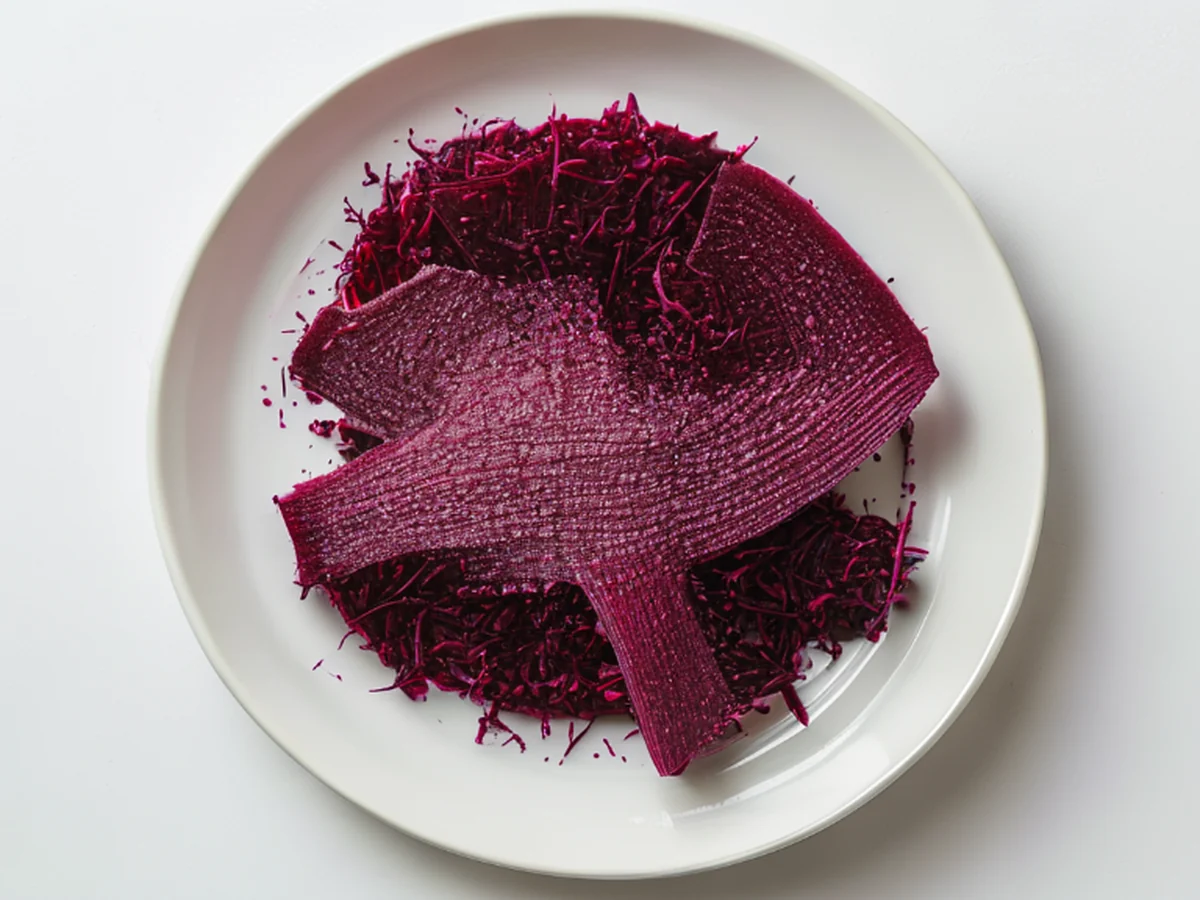
Late at night in the quiet kitchen, a hand brushes against the rough texture of the kibble bag as the owner considers the role of beet pulp in the dry pellets.
A hand reaches into a bag of kibble, feeling the hard, extruded pellets that make up a daily meal. These dry foods, which account for approximately 95% of dry pet foods, often utilize beet pulp as a source of fiber to maintain gastrointestinal regularity.
In many commercial diets, beet pulp is utilized to provide dietary fiber. While some pet owners question its role, it is a common ingredient in the extrusion process used to create dry kibble. This ingredient helps manage the texture and fiber content of the meal.
The use of such ingredients is subject to strict oversight to ensure they meet specific nutritional needs. According to the Association of American Feed Control Officials (AAFCO), regulations ensure that commercially available foods meet specific nutritional standards.
These standards help maintain a baseline of quality for the ingredients used in every bag.
How do we evaluate cat food ingredient analysis?
An owner sits at a kitchen table, carefully reading the fine print on a colorful bag of kibble. They look for the specific breakdown of proteins, fats, and fibers to ensure the meal matches their pet's needs.
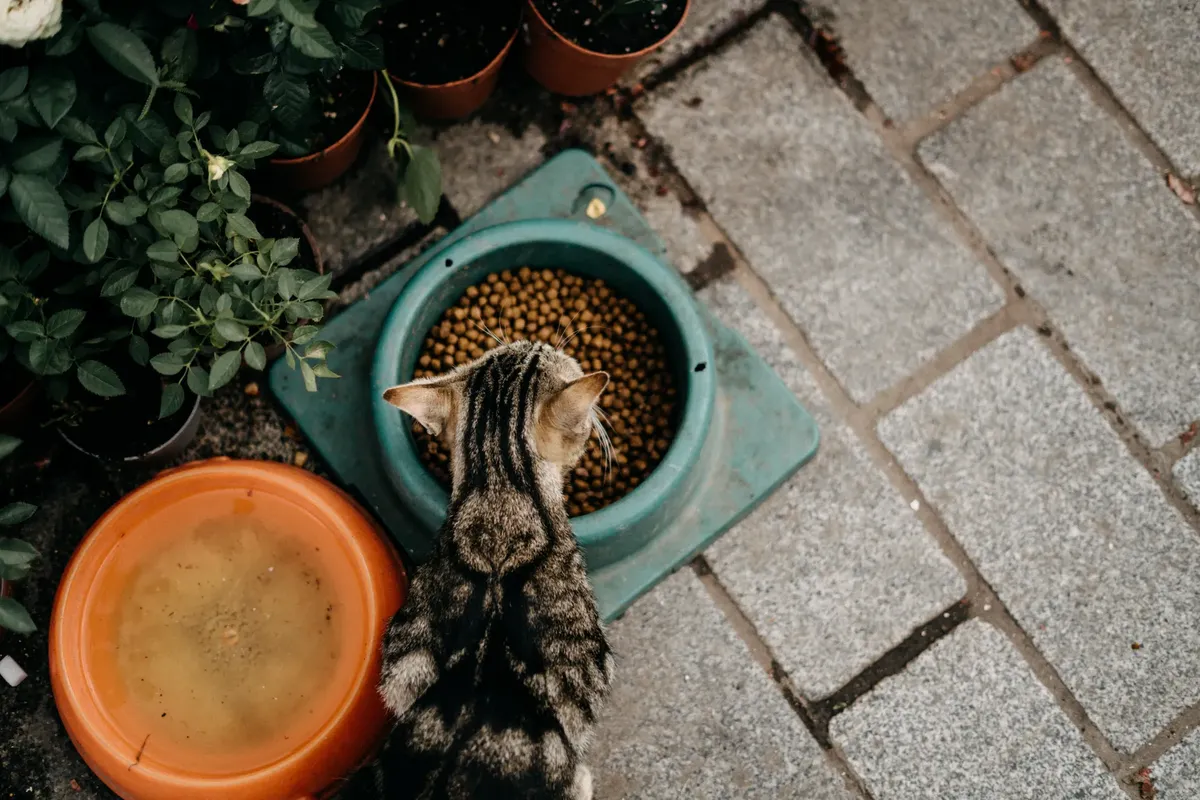
A thorough cat food ingredient analysis requires looking beyond the primary meat sources to understand the role of secondary ingredients. While fiber sources like beet pulp are common, they must exist within a framework that meets the animal's biological requirements.
The presence of certain ingredients does not automatically mean a food is sufficient for all life stages. For example, a cat's caloric needs change significantly throughout its life. An average cat weighing 10–11 pounds (about 5 kg) would have a resting energy requirement of 180–200 kcal/day.
What is the significance of beet pulp pet nutrition in balanced diets?
In the dim morning light, an owner pours kibble into a bowl while considering the importance of beet pulp for a balanced diet.
A caregiver scoops a measured portion of food into a ceramic bowl, checking the weight against a nutritional chart. They want to ensure the balance of macronutrients is correct for a healthy lifestyle.
When considering beet pulp pet nutrition, owners must recognize that fiber is just one component of a complex dietary matrix. The goal is to provide a diet that supports digestion without displacing essential nutrients like taurine or vitamins.
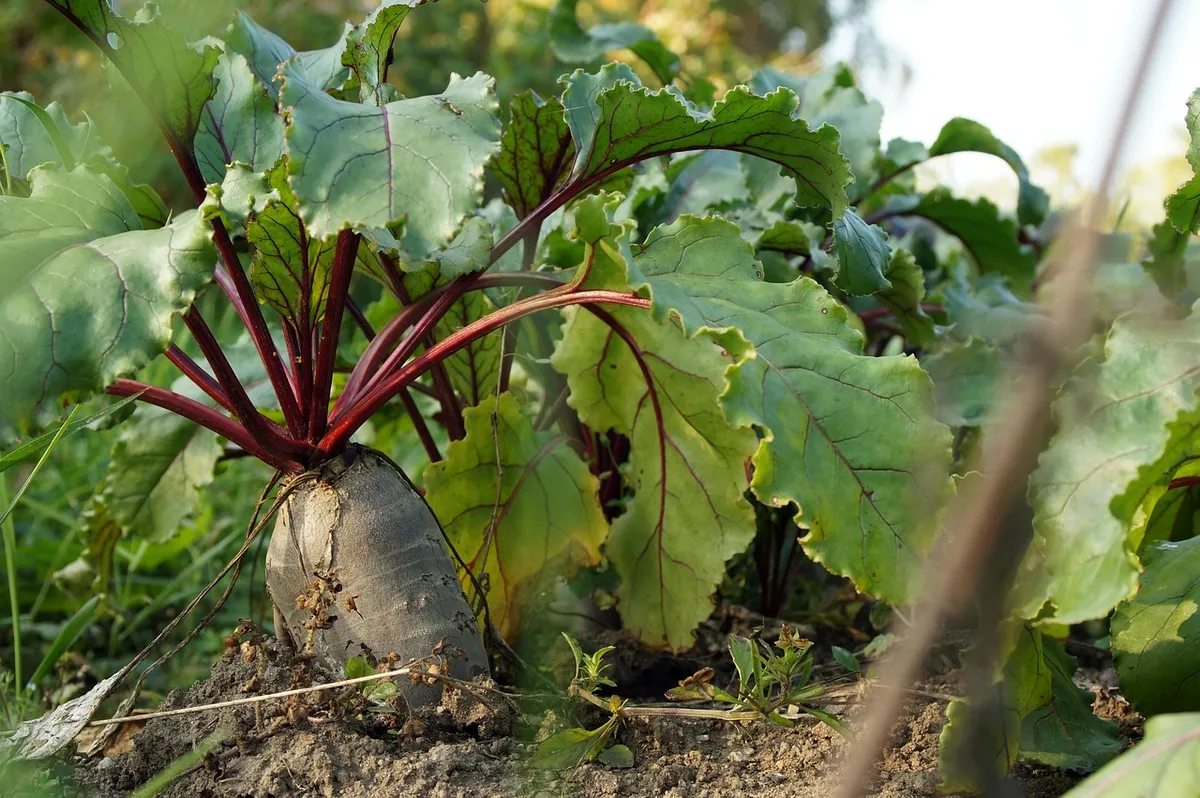
For food to be labeled "complete and balanced" in the United States, it must meet specific criteria. According to the Association of American Feed Control Officials (AAFCO), such labels require meeting a nutrient profile or passing a feeding trial.
This ensures that fiber-heavy ingredients do not compromise the overall nutritional integrity.
Is there an ethical debate cat food regarding fillers?
A person stares at a pile of various pet food samples, wondering which ingredients are functional and which are merely fillers. They weigh the cost against the perceived quality of the ingredients.
The ethical debate cat food owners face often centers on the distinction between functional ingredients and cheap fillers. While beet pulp is a vegetable byproduct, it is often used to provide bulk and fiber in a cost-effective manner.
Maintaining a healthy weight is a primary concern when managing these ingredients. It is important to note that not more than 10% of a cat's calorie intake should come from treats. Balancing the main meal with supplemental treats is essential for long-term health.
How does veterinary review cat food advice affect choices?
A veterinarian points to a chart during a consultation, explaining the importance of fiber and protein ratios. The owner listens intently, noting how specific ingredients might affect their cat's digestion.
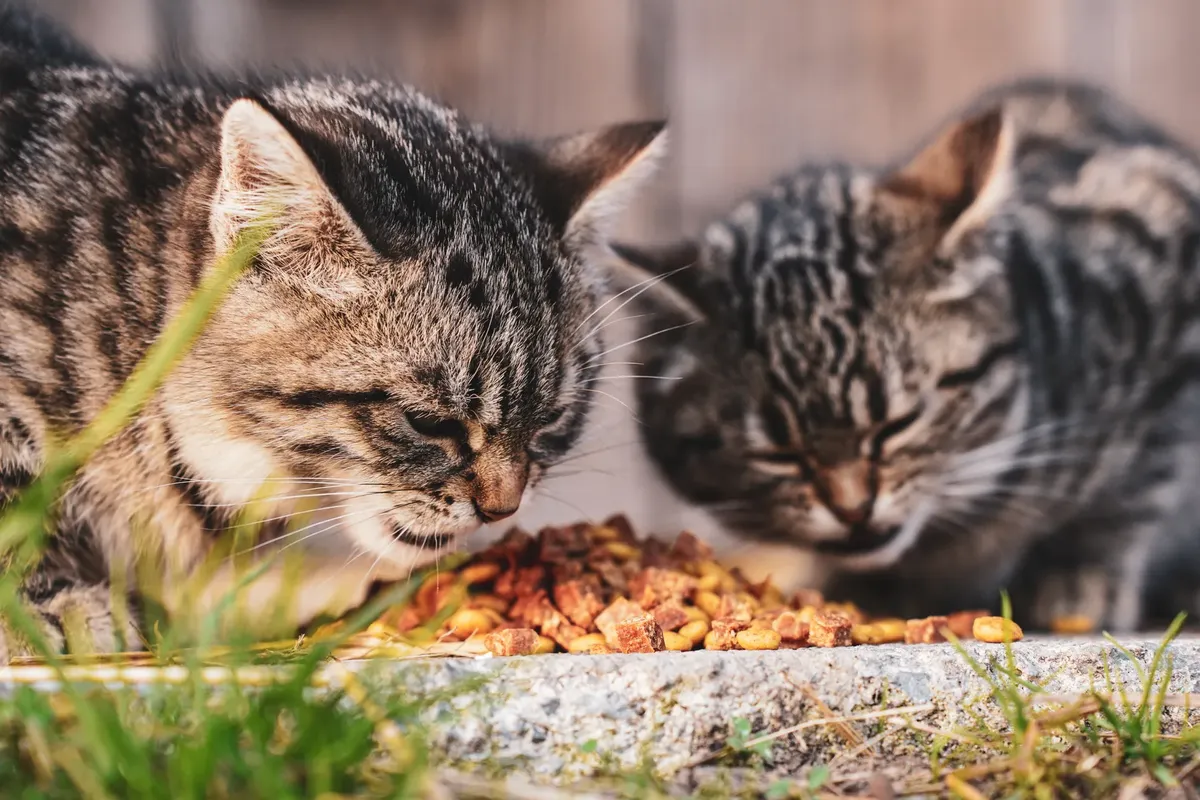
A professional veterinary review cat food selection can provide clarity on whether specific ingredients are beneficial or merely present for texture. While fiber is necessary, the quality of the protein source remains the priority for feline health.
The necessity of specialized diets is also a factor in nutritional planning. For instance, a 2004 survey in the US and Australia found 3.6% of cats were fed therapeutic diets. These specialized diets are formulated to address specific medical needs that standard kibble might not meet.
What are the steps for managing a cat's diet?
A hand carefully adjusts the portion size in a small bowl, ensuring the meal is not too large. The owner follows a routine to keep the pet's weight stable.
To manage a diet containing various ingredients, follow these steps:
- Verify the nutritional label to ensure it meets AAFCO standards for the specific life stage of your cat. 2. Monitor the total daily caloric intake to ensure it aligns with the pet's weight and activity level. 3. Observe the cat's stool consistency and energy levels to assess how the fiber content is being processed.
A final check involves confirming that the total caloric intake, including any treats, does not lead to excessive weight gain.
| Feature | Dry Food (Extruded) | Wet Food (Canned) |
|---|---|---|
| Typical Moisture Content | Low | 75–78% |
| Common Packaging | Bags | Aluminum or steel cans |
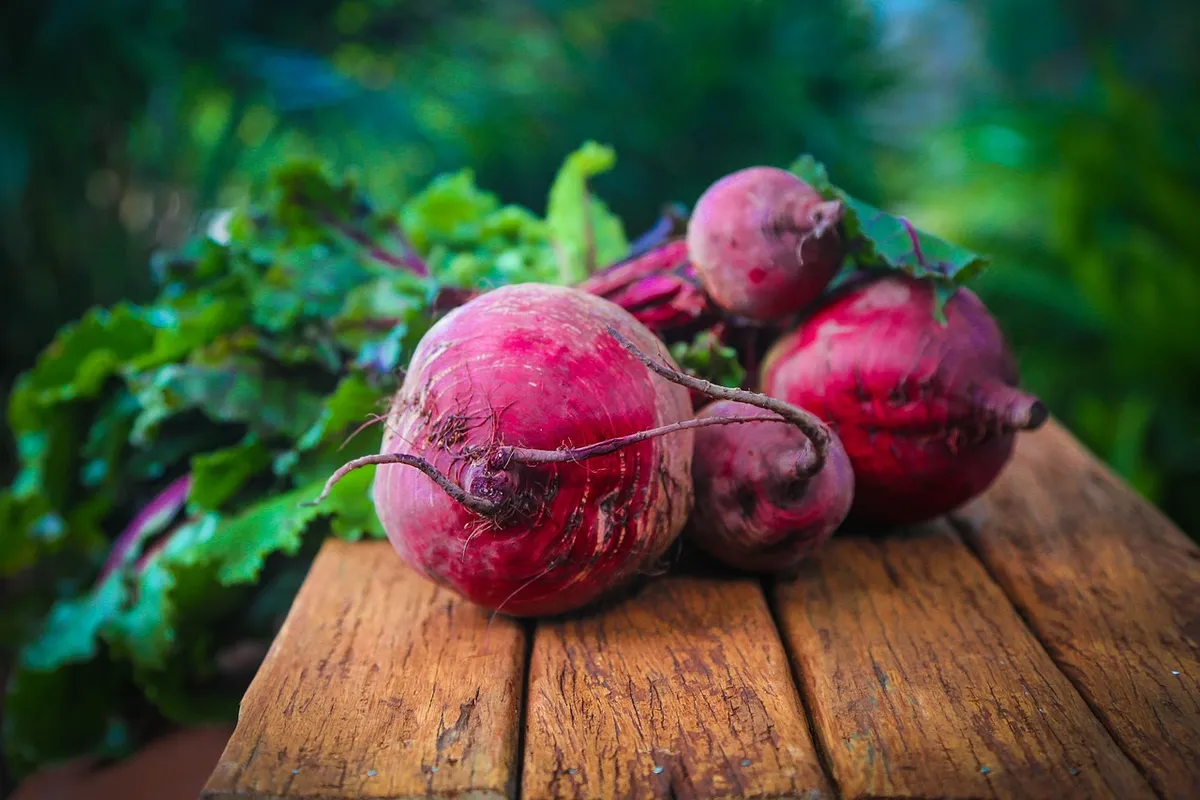
I regularly check the ingredient list of my own pet's food to ensure the fiber levels are appropriate for their digestive health.
A limitation of this analysis is that the specific health effects of beet pulp vary depending on the total diet composition and the individual cat's health status.
- Why is beet pulp in cat food used for digestion?
- How do we evaluate cat food ingredient analysis?
- What is the significance of beet pulp pet nutrition in balanced diets?
The subject here is beet pulp in cat food.
This part also covers beet pulp health benefits cats.
This part also covers controversy over pet food fillers.
This part also covers expert advice on cat diet.
beet pulp health benefits cats
Related


Comments 0