Homemade food for caviar: Guide to mineral balance tips
"Managing the nutritional balance of a pet's diet requires careful attention to mineral ratios to prevent long-term health issues."
This guide provides a framework for balancing essential nutrients, avoiding common mistakes found in DIY diets, and maintaining proper fiber levels.
What are the risks of homemade food for caviar?
At midnight in the dim kitchen, a trembling hand reaches for the spoiled ingredients of a homemade meal, feeling a sudden wave of nausea.
Developing a homemade food for caviar routine requires understanding that lack of precision can lead to serious health complications.
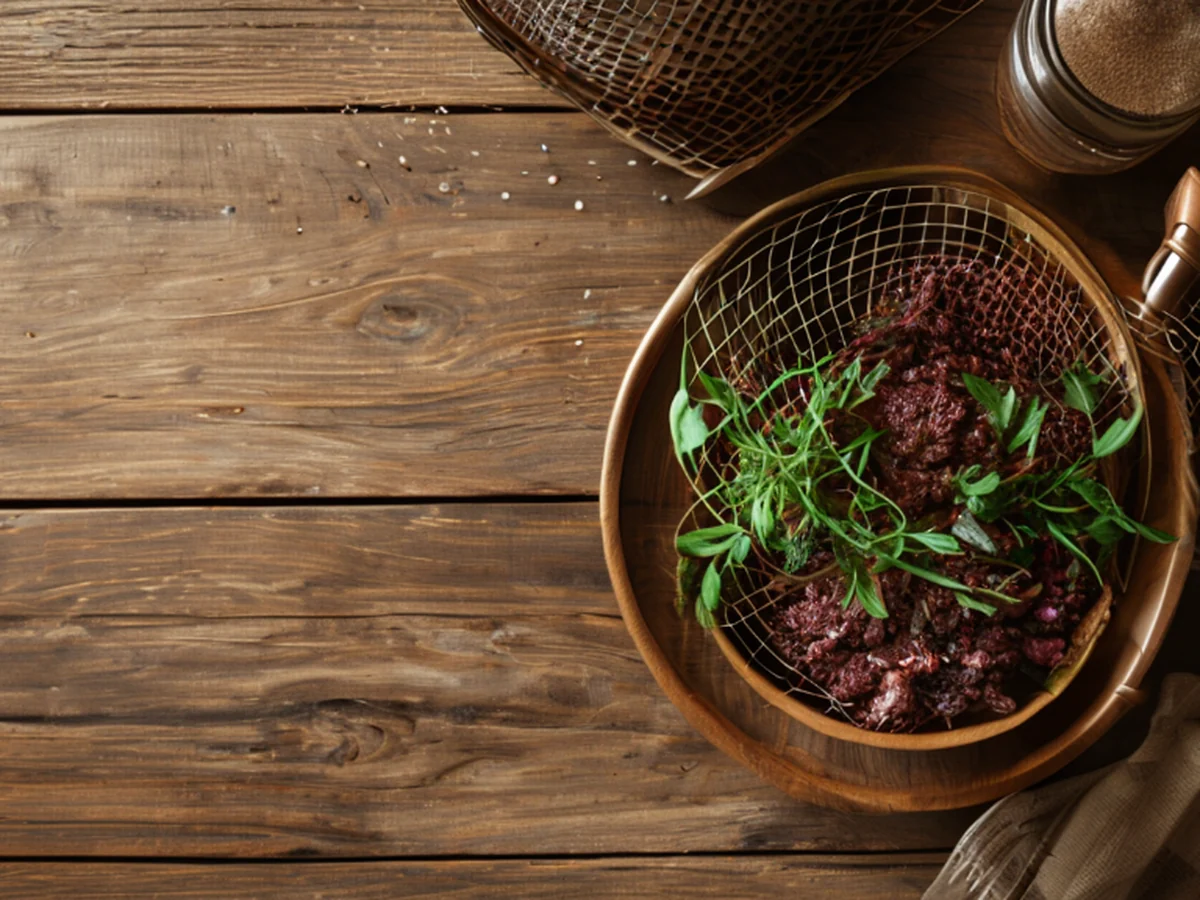
A study analyzed 95 homemade BARF diets and found that 60% of these were nutritionally imbalanced in either one or a combination of calcium, phosphorus, vitamin D, iodine, zinc, copper, or vitamin A content. This shows that simply mixing ingredients does not guarantee a healthy outcome.
Avoiding such imbalances is the primary goal when transitioning to a DIY pet food balance.
Preparing food at home carries risks of bacterial contamination and cross-contamination if surfaces and utensils are not properly sanitized. Improperly stored ingredients can lead to foodborne illnesses in both pets and humans.
How do you manage fiber in a pet food nutrition guide?
A bag of hay is opened, releasing a dry, earthy scent into the room. Selecting the right forage is a cornerstone of a successful pet food nutrition guide.
According to the Journal of animal physiology and animal nutritio, rabbits selected less fibrous parts of the hay than guinea pigs, leaving orts with higher content of neutral detergent fibre [NDF; 721 ± 21 vs.].
Different animals have different fiber requirements based on their natural foraging habits. For example, rabbits select less fibrous parts of the hay than guinea pigs, leaving orts with higher content of neutral detergent fibre.
Ensuring that the available forage meets the specific needs of the animal prevents digestive issues.

- Select soluble fiber sources to aid in digestion and stool consistency. 2. Incorporate insoluble fiber to support healthy intestinal motility. 3. Adjust the total fiber volume based on the specific digestive sensitivity of the pet.
How can I ensure mineral balance in a DIY pet food balance?
A hand carefully stirs a mixture of vitamins and minerals into a large bowl of pellets. Achieving a proper DIY pet food balance requires looking beyond just the primary ingredients.
According to the Journal of the American Association for Laborato, a prospective control study was conducted following dietary changes to improve urinary tract health and reduce urolithiasis risk factors due to the high incidence of urolithiasis in their strain 13/N guinea pig colony.
The risk of mineral deficiency or excess is high when preparing meals at home. Using the findings from the study of 95 homemade BARF diets, one can see how common it is for calcium, phosphorus, or vitamin D to be out of proportion.
This demonstrates why careful measurement is necessary for any DIY pet food balance.
Maintaining mineral balance requires careful attention to the ratio of calcium to phosphorus. Using a variety of whole-food ingredients and supplementing specific micronutrients can help prevent deficiencies or toxicities.
What is the best ingredients for pets approach?
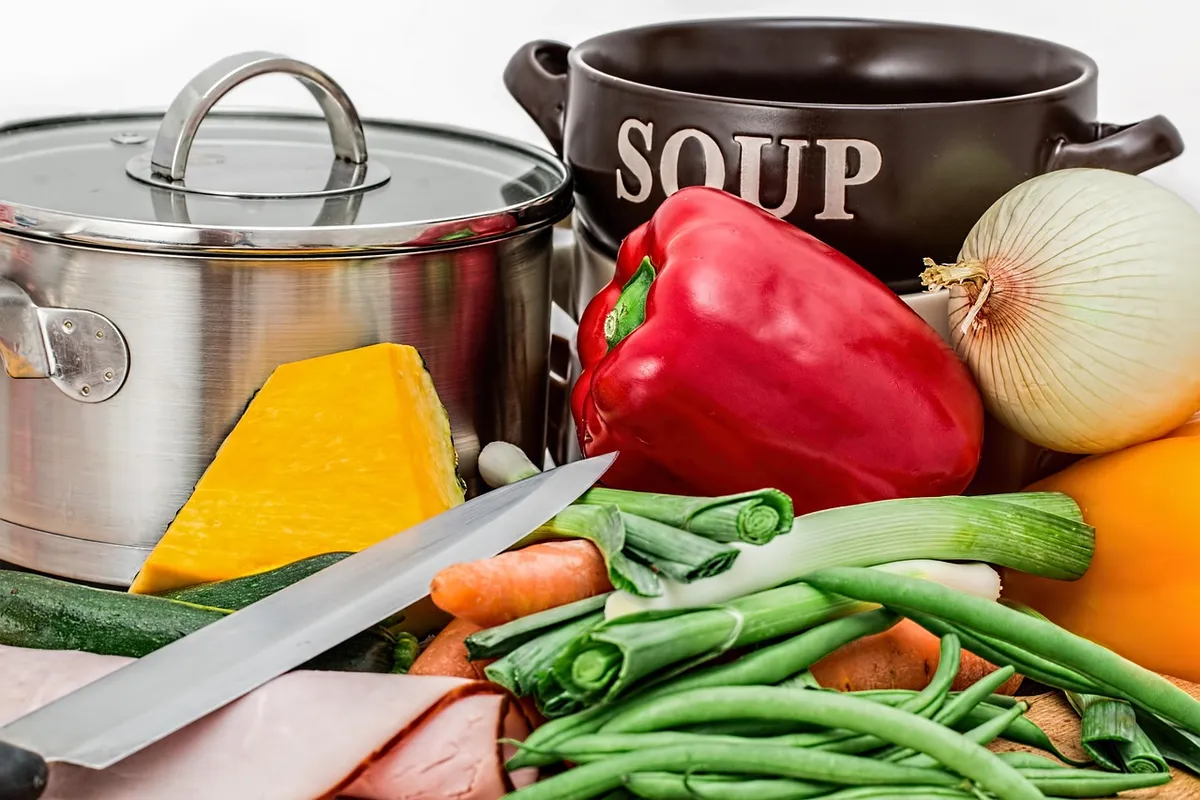
A hand picks up a handful of fresh vegetables to inspect their quality. Finding the best ingredients for pets involves more than just choosing fresh produce; it requires understanding how those ingredients interact.
Nutritional completeness is the goal when searching for the best ingredients for pets. Because certain minerals like zinc, copper, and iodine are easily imbalanced, even high-quality ingredients can cause issues if the proportions are wrong.
A successful strategy focuses on the total nutritional profile rather than single ingredients.
A high-quality approach focuses on using whole, single-source proteins and fresh vegetables. Prioritize ingredients that are easily digestible and free from unnecessary fillers or artificial additives.
How much to feed homemade pet can be calculated?
A small pet sits expectantly near an empty food dish. Determining how much to feed homemade pet requires knowledge of the animal's size and life stage.
Weight and size are critical factors when deciding how much to feed homemade pet. For instance, domestic guinea pigs typically weigh between 700 and 1,200 g (1.5 and 2.6 lb) and measure between 20 and 25 cm (8 and 10 in) in length.
Using these physical baseline measurements helps in scaling recipes to the specific needs of the individual.
Calculate portion sizes based on the pet's current weight, activity level, and metabolic needs. Monitor weight changes regularly and adjust the caloric intake to maintain an ideal body condition.
How does temperature affect dietary health?
A thermometer is checked near the pet's enclosure to ensure the environment is stable. Environmental factors like temperature can influence how an animal processes its food and maintains its health.
Ambient temperature can impact metabolic rates and overall wellness. For example, consistent ambient temperatures in excess of 32 °C (90 °F) have been linked to hyperthermia and death, especially among pregnant sows.
Maintaining a stable environment is as much a part of health management as the food itself.
Temperature affects the stability of fats and vitamins in fresh food, as heat can cause rapid spoilage. Additionally, extreme environmental temperatures can influence a pet's appetite and metabolic rate, requiring adjustments in feeding frequency.
How to prepare a balanced diet
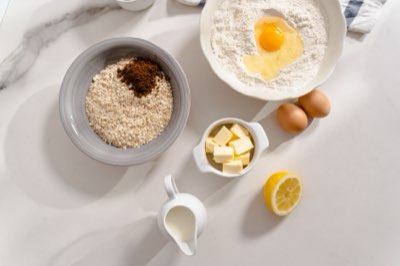
A kitchen counter is covered with various natural ingredients and measuring tools. To implement a structured feeding plan, follow these steps:
- Select high-quality base ingredients that provide adequate fiber. 2. Carefully calculate the ratios of calcium, phosphorus, and vitamins to prevent the imbalances seen in many homemade diets. 3. Monitor the animal's weight and physical condition to adjust portions.
After following these steps, perform a final check to ensure the diet meets the specific biological needs of the species.
| Feature | Guinea Pig Weight (Typical) | Guinea Pig Length (Typical) |
|---|---|---|
| Measurement | 700–1,200 g | 20–25 cm |
I found that checking the weight and length of my pets against their standard measurements was the most helpful way to verify if the portions were appropriate.
The limitation of this guide is that it does not cover specific medical treatments for existing health conditions such as urolithiasis.
- Creating homemade food for caviar requires a precise understanding of mineral balances to ensure the long-term health of your pets.
- Key takeaways include the importance of calcium and phosphorus balance, the necessity of high fiber, and the risks of nutritional imbalances.
- A bowl of fresh greens sits on the table while a hand reaches for a scale to weigh ingredients.
Related
- DIY Cat Food: Balancing Nutrients Beyond Just Meat
- Dog Caviar Recipes: Elite Nutrition for Peak Canine Vitality
When is monitoring nutritional balance most critical? Monitoring nutritional balance is most critical during the transition phase to a DIY diet. This period demands extreme precision because the body reacts strongly to sudden shifts in mineral ratios. The study analyzing 95 homemade BARF diets indicated a high frequency of imbalances when pets change their food source.
- Begin by understanding the baseline mineral requirements of the specific pet species. 2. Introduce new ingredients slowly to allow the digestive system to adjust to the new nutritional profile. 3. Closely observe the animal's physical condition during this adjustment period.
How does ingredient interaction affect nutritional management? Ingredient interaction dictates the final nutritional profile of the homemade food. Because certain minerals like zinc, copper, and iodine are easily imbalanced, the way ingredients combine matters significantly. A successful approach must consider the total nutritional profile, not just the quality of individual components.
Proper management of nutritional balance requires recognizing that even high-quality ingredients can present problems if their proportions are incorrect. This consideration moves the focus from simple selection to complex ratio calculation when managing nutritional intake.
The necessity of high fiber is directly related to the animal's natural foraging habits. For example, the difference in how rabbits and guinea pigs process hay demonstrates that fiber requirements are not universal across all pets.
Therefore, tailoring the fiber content is essential for preventing digestive issues.
Maintaining proper calcium and phosphorus balance is a key takeaway from the guide. The risk of mineral deficiency or excess is high when preparing meals at home, making careful measurement indispensable for managing the nutritional balance.


Comments 0