What is the difference between dry and wet food?
"An average cat weighing 10–11 pounds requires a resting energy of 180–200 kcal per day to maintain a healthy weight."
Managing pet weight with 180 kcal is a fundamental task for owners of medium-sized cats. This 180 kcal feeding guide helps you navigate the basic energy needs of a healthy adult cat while understanding how to balance nutritional standards.
This guide covers daily calorie requirements, moisture content differences, and how to calculate 200 kcal safely.
How much energy does an average cat need?
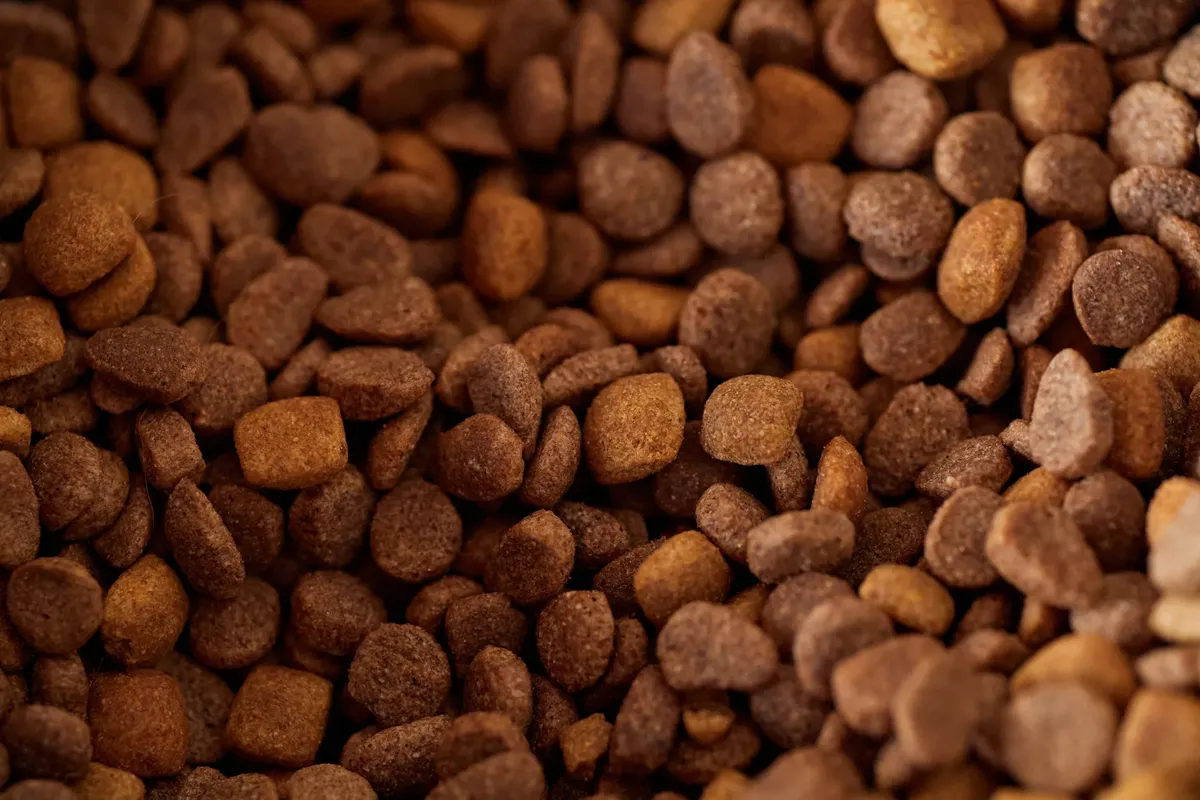
In the dim morning light of the kitchen, I scoop the kibble into a bowl, contemplating the energy difference required to keep my cat healthy.
A hand reaches for a measuring scoop to portion out kibble for an adult cat. For an average cat weighing 10–11 pounds (about 5 kg), it would have a resting energy requirement of 180–200 kcal/day.
According to the Belgian Federal Agency, while people are not allowed to kill unknown cats in their garden, "nowhere in the law does it say that you can't eat your cat, dog, rabbit, fish or whatever."
According to the Association of American Feed Control Officials, regulations, such as those set by the Association of American Feed Control Officials (AAFCO), ensure that commercially available foods meet specific nutritional standards.
Maintaining this specific energy range is vital for preventing obesity or malnutrition. If the cat is at the lower end of the weight scale, the 180 kcal range serves as a baseline for metabolic health.
A veterinarian might suggest adjusting these numbers based on activity levels. However, for a sedentary house cat, staying within this 180–200 kcal window prevents unnecessary weight gain.
In this sequence, the first step is the most critical.
What is the difference between dry and wet food?
A metal can is opened with a slight hiss, releasing the scent of wet food into the kitchen. Understanding the moisture content helps in managing the calorie density of a meal.
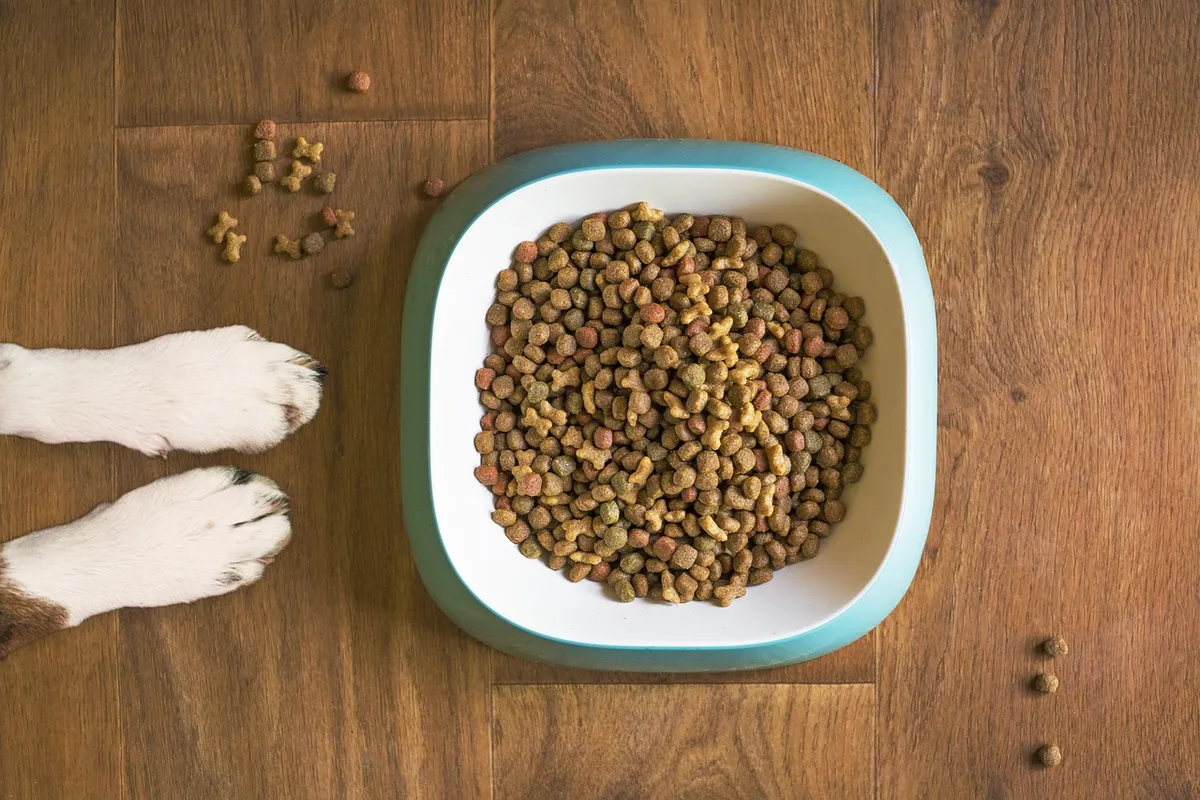
Dry food typically contains 8–10% moisture and is generally made by extrusion cooking under high heat and pressure. Because it is so concentrated, a small amount provides significant energy.
In much of Europe, the UK and the US, canned or wet food (75–78% moisture) generally comes in aluminum or steel cans in 90, 160 and 370 g (3, 5+1⁄2 and 13 oz) sizes. Because of the high water content, wet food often allows for more volume per calorie.
| Food Type | Typical Moisture Content | Production Method/Packaging |
|---|---|---|
| Dry Food | 8–10% | Extrusion cooking |
| Wet Food | 75–78% | Aluminum or steel cans |
I once compared these two types when switching my own pet's diet to ensure the volume felt sufficient.
How to calculate 200 kcal for a healthy diet?
In the quiet morning sunlight, I carefully pour the food onto a scale to see the weight difference before portioning the meal.
A kitchen scale sits on the counter, ready to weigh out precise portions of kibble. A safe feeding amount guide must account for the specific caloric density of the food being served.
According to the USDA, this technique is USDA approved and allows raw food to remain uncooked while greatly improving its safety and shelf-life.
Since every brand differs, you cannot use a single scoop size for every meal. To manage a daily feeding plan for 200 kcal, you must first identify the kcal per gram of your specific food.
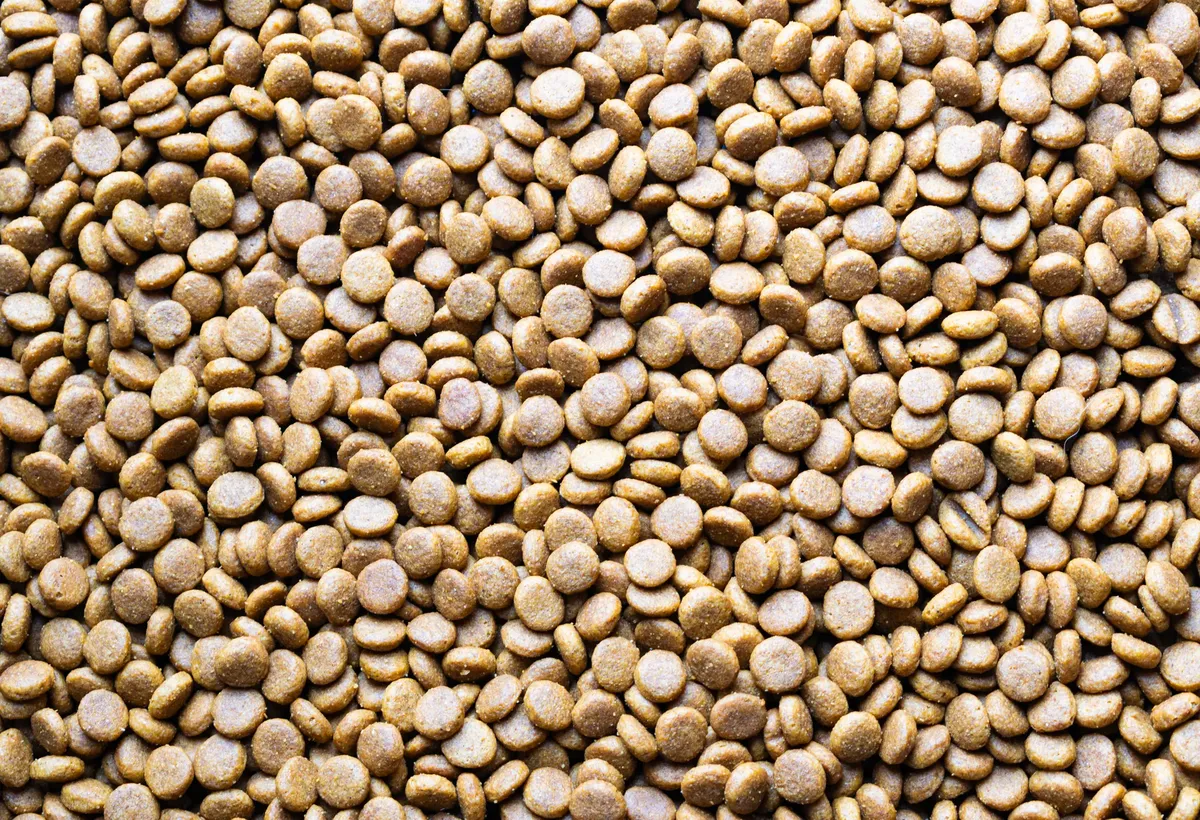
- Check the packaging for the caloric density (kcal/kg or kcal/cup). 2. Divide the target calorie amount (e.g., 200 kcal) by the calories per gram. 3. Use a scale to weigh the exact amount of food to meet that target.
A final check involves monitoring the cat's body condition score over several weeks.
- Determine the cat's current weight and activity level.
- Calculate the total daily caloric requirement.
- Divide those calories into specific portions for each meal.
What role do treats play in a 180 kcal feeding guide?
A small bag of treats sits next to the main food bowl during a morning feeding routine. While treats are tempting, they must be integrated into the daily energy budget.
A 200 kcal budget is easily disrupted by extra snacks. A 200 kcal limit should include all food provided throughout the day to prevent overfeeding.
A 2004 survey in the US and Australia found 26% of cats received treats on a daily basis. However, not more than 10% of a cat's calorie intake should come from treats.
How to maintain health with precise feeding?
A bowl is placed on the floor, and the cat approaches it with expectation. Maintaining health with precise feeding requires consistency and adherence to nutritional standards.

In the United States, cat food using the label "complete and balanced" is required to meet standards that have been established by the Association of American Feed Control Officials (AAFCO) by either meeting a nutrient profile or passing a feeding trial.
Using such food ensures the 180–200 kcal meets essential needs.
Regulations, such as those set by the Association of American Feed Control Officials (AAFCO), ensure that commercially available foods meet specific nutritional standards. This oversight provides a baseline for owners managing calorie-restricted diets.
The subject here is 180 kcal feeding guide.
The same subject is also called veterinarian feeding advice.
The same subject is also called basic diet calculation.
managing pet weight with 180 kcal
Related
- How does a 10 percent rule feeding strategy work?
- How does pet energy consumption to human needs?: 163 million
When Should Calorie Adjustments Be Made?
A veterinarian might suggest adjusting these numbers based on activity levels, which is a critical consideration when managing the weight of an average cat. If an average cat is highly active, the required energy intake will likely exceed the 180–200 kcal baseline. Conversely, if the average cat becomes less active, the lower end of the range might be sufficient to prevent excess weight gain. Monitoring the cat's body condition score over several weeks provides the necessary feedback for these adjustments.
What are the risks of improper feeding?
Failing to maintain this specific energy range poses risks of either obesity or malnutrition for the average cat. If the diet is insufficient, the cat may suffer from nutritional deficiencies because the 180 kcal range serves as a baseline for metabolic health. Conversely, providing too many calories can lead to weight gain, which puts strain on the cat's system.
Understanding the moisture content differences between food types is key to safely calculating the 200 kcal target. Because dry food is concentrated, a small portion delivers significant energy compared to wet food, which offers more volume for the same caloric amount.
When calculating the total daily caloric requirement, owners must remember that treats must be factored into the 200 kcal budget. This ensures that the entire daily intake, including snacks, supports the health of the average cat.





Comments 0