Beyond Kibble: Advanced Nutrition for Canine Mobility & Skin
"It isn't just about a shiny coat; it is about the biochemical signaling that governs how a pet's body handles inflammation."
Understanding omega fatty acids requires looking past the marketing claims to the microscopic level where these lipids interact with cell membranes and signaling pathways.
For pet owners, this distinction is the difference between a supplement that merely sits in the gut and one that actively supports skin integrity and joint mobility.
Key Takeaways
* Omega fatty acids are essential for modulating inflammatory pathways, providing tangible support for skin barrier integrity and joint comfort. * Efficacy is highly dependent on the specific type of fatty acid—specifically the distinction between ALA and the long-chain EPA/DHA—and the animal's ability to convert them. * Successful nutritional management requires a nuanced understanding of bioavailability and the balance between different lipid families.

How do omega fatty acids work in my pet's body? At dusk in the dimly lit living room, a golden retriever paws frantically at its itchy flank while its owner watches with a heavy heart. According to EPA, humans can convert short-chain omega−3 fatty acids to long-chain forms (EPA, DHA) with an efficiency below 5%.
A golden retriever owner sits on a living room rug at 7:00 PM, watching their dog scratch incessantly at its flanks, looking for answers in a bag of premium kibble. This common scene highlights the gap between seeing a symptom and understanding the underlying biochemical need.
According to BMC veterinary research (2021), total CADESI-4 index scores for dogs eating diet B were lower on day 60 compared to baseline (P = 0.003).
The primary role of omega fatty acids in pets involves the modulation of inflammatory pathways. Specific fatty acids act as precursors to signaling molecules, such as resolvins and prostaglandins, which help transition the body from a state of chronic inflammation toward resolution.
When these lipid levels are optimized, the body can better manage the inflammatory responses that lead to discomfort. Skin barrier function is another critical area where these lipids play a role.
The skin's epithelial barrier relies on a complex matrix of lipids to maintain integrity, which is crucial for preventing secondary infections and moisture loss.
Without adequate lipid support, the skin can become permeable, leading to the dryness and irritation often seen in sensitive pets. Regarding joint health, these lipids contribute to the health of synovial fluid and the maintenance of cartilage.
While not a direct "fix" for structural damage, they help manage the inflammatory environment surrounding the joints.
It is also vital to understand bioavailability; while some fats serve as precursors, the body must often convert them into more active forms to achieve these physiological effects. But the conversion process is where many owners run into trouble.
How Do Specific Omega Sources Differ in Their Potential Benefit?
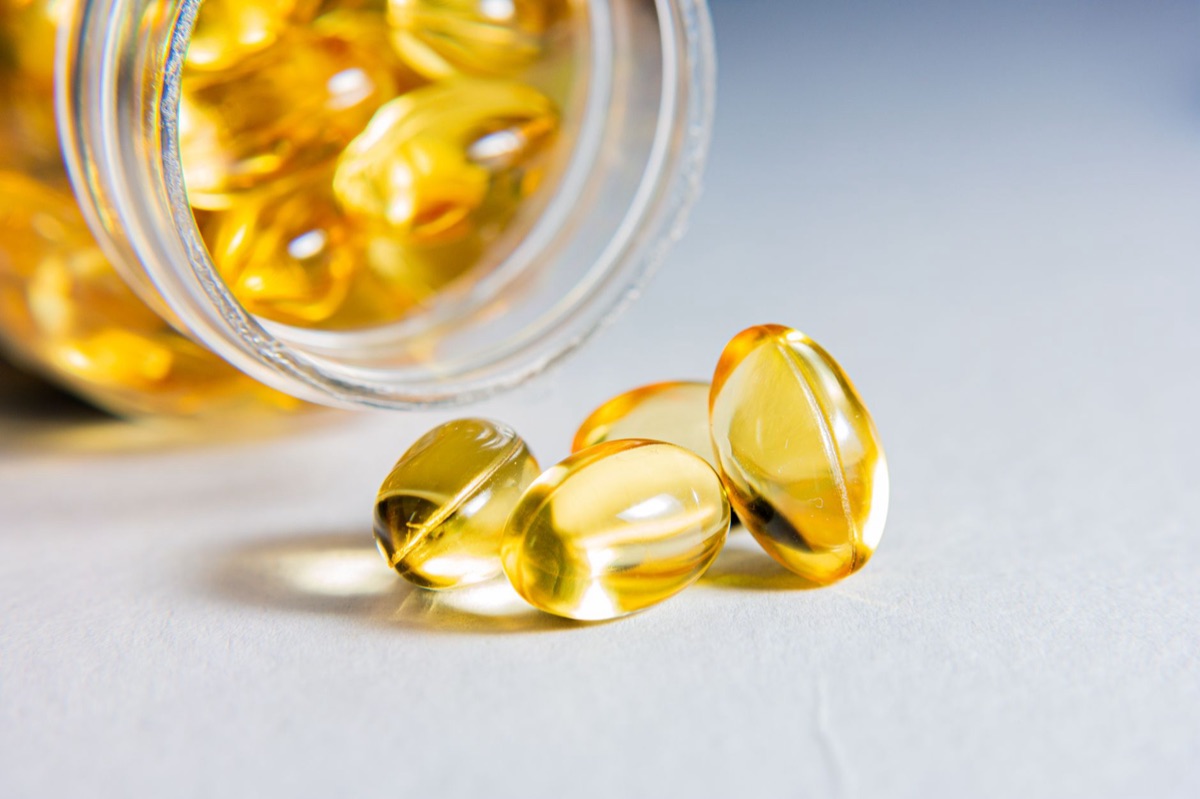
A pet owner stands in a supplement aisle in the local pet store, staring at two bottles: one containing flaxseed oil and the other containing krill oil, wondering which one will actually help their aging lab.
As noted by the EPA, humans can convert short-chain omega−3 fatty acids to long-chain forms with an efficiency below 5%.
The distinction between fish oil and plant-based sources is fundamental to understanding nutritional efficacy. Plant sources, such as flaxseed oil, are often rich in alpha-linolenic acid (ALA).
While ALA is an essential fatty acid, the body's ability to convert short-chain omega-3 fatty acids into long-chain forms, such as eicosapentaenoic acid (EPA) and docosahexaenoic acid (DHA), is often quite low.
This bottleneck is equally relevant for pets, meaning a diet solely reliant on ALA might not provide the therapeutic levels of EPA/DHA needed for significant health shifts. Dose dependency is a critical factor in nutritional management.
There is a distinct difference between a maintenance dose, intended to keep a healthy pet stable, and a therapeutic dose, which might be required to address existing issues.
Achieving measurable shifts in inflammatory markers often requires reaching specific, higher-level thresholds of EPA and DHA. Interestingly, different sources offer different advantages.
For example, research has shown that the effect of krill oil, which provides a lower dose of EPA + DHA (62.8% of its lipid profile), can be similar to that of fish oil regarding blood lipid levels and markers of inflammation in healthy humans.
This suggests that the delivery mechanism and the specific lipid profile of the source matter as much as the total volume. However, the benefits extend far beyond the skin and coat.
Do omega acids support more than just my pet's skin? An aging beagle struggles to rise from its orthopedic bed on a Tuesday morning, its movements stiff and hesitant, signaling a need for more than just a soft cushion.
The relationship between omega acids and musculoskeletal health goes beyond surface-level skin issues. Targeted dietary input can correlate with a reduction in systemic inflammatory indices.
By managing inflammation at a molecular level, these fatty acids help mitigate the discomfort associated with joint wear and tear.
Age-related changes often manifest as joint issues, where the inflammatory drivers become more pronounced as a pet enters its senior years. Proactive nutritional support aims to address these drivers before they lead to significant mobility loss.
Breed predisposition also plays a role; certain breeds may show signs of skin or joint issues much earlier than others. For instance, some breeds of dog, such as the Golden Retriever, often show signs of skin disorders at an earlier age.
The impact of these dietary interventions is often reflected in owner observations. In studies looking at management strategies, researchers have noted shifts in how owners discuss these issues.
For example, one study found a 15.8% increase in positive sentiment and a 6.7% decrease in negative sentiment regarding itch management following the availability of targeted therapies, indicating that effective nutritional management changes the owner's experience of pet health.
When you see your pet moving more easily, it feels like a victory, but implementing this change requires a plan.

Practical Application: Integrating Omegas into a pet's Diet
A kitchen counter is covered in various supplement bottles, measuring spoons, and a half-empty bag of food, reflecting the complexity of managing a pet's daily intake.
Integrating omega fatty acids into a daily routine requires precision. A "one-size-fits-all" approach is often ineffective and can even be counterproductive. Dosage must be carefully calibrated based on the pet's weight, activity level, and baseline health status.
| Feature | Plant-Based (e.g., Flaxseed) | Marine-Based (e.g., Fish/Krill) |
|---|---|---|
| Primary Fatty Acid | High ALA | High EPA & DHA |
| Conversion Needed | Yes (High conversion loss) | Minimal (Directly usable) |
| Primary Use Case | General maintenance | Targeted skin/joint support |
| Bioavailability | Lower for long-chain needs | Higher |
When managing a diet, it is essential to consider the entire food matrix. It is not just about adding omegas; it is about the balance between Omega-6 and Omega-3 fatty acids.
An imbalance, where Omega-6 levels are disproportionately high, can exacerbate inflammatory issues, regardless of how much Omega-3 is added.
When I first started experimenting with different oil types for my own pets, I noticed that the texture and smell of the oil mattered just as much as the label for getting them to actually eat it. To successfully integrate these supplements, follow these steps:
- Identify the Goal: Determine if you are looking for general maintenance or therapeutic support for a specific condition.
- Consult a Professional: Before changing a diet, work with a veterinarian to establish a baseline and appropriate dosage.
- Select the Source: Choose high-quality, stable oils (like krill or fish oil) if looking for direct EPA/DHA benefits.
- Monitor and Adjust: Watch for changes in skin texture, coat quality, and mobility over a 4-to-8-week period.
- Check for Consistency: Ensure the supplement is integrated into every meal to maintain stable blood lipid levels.
Always monitor for observable signs of improvement or adverse reactions. If a pet shows signs of gastrointestinal upset or if skin issues do not improve after a consistent period, the dosage or the source may need adjustment.
Frequently Asked Questions
Can I just use flaxseed oil for my dog's skin issues? While flaxseed is a great source of ALA, the conversion rate to the EPA and DHA needed for skin and joint health is often too low to be a primary therapeutic solution. Marine-based oils are generally more effective for targeted issues.
How long does it take to see results from omega supplements? Nutritional changes don't happen overnight. It typically takes several weeks to a few months of consistent feeding to see visible changes in coat quality or improvements in mobility.
Is there a risk of over-supplementing? Yes. Excessive intake of certain fats can lead to caloric surplus or interference with other fat-soluble vitamin absorptions. Always stick to the dosage recommended by a professional.
Does the type of fish matter? Different fish oils have different concentrations of EPA and DHA. Generally, oils from smaller fish or krill tend to be more concentrated and stable, which is beneficial for therapeutic use.
*Note: This guide is for informational purposes only. Always consult with a veterinarian before making significant changes to your pet's diet or starting new supplements, especially if your pet has underlying health conditions.
This information is current as of August 2026 and should be verified with a local professional.*








Comments 0