Dry vs wet food comparison: Guide to moisture content
Choosing between dry and wet food involves weighing moisture content, nutritional standards, and caloric density to meet a pet's specific needs. This guide compares the two primary feeding methods, covering preparation techniques, moisture levels, and regulatory standards. Key takeaways include understanding extrusion versus canning, identifying moisture differences, and recognizing the importance of nutritional labeling.
How does moisture content differ between dry and wet food?

At midnight in the dark kitchen, I run my fingers through the dry food and feel the brittle crunch against my skin.
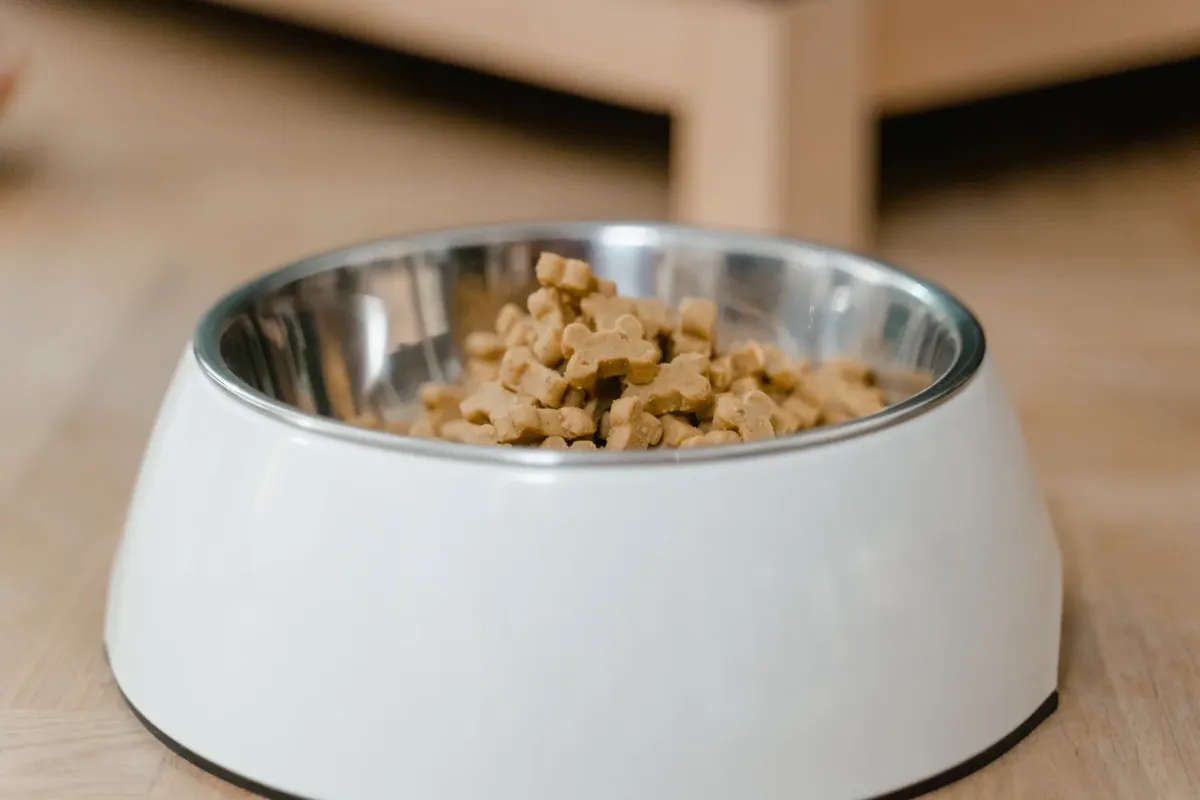
A hand reaches into a bag of kibble, feeling the crunch of individual pieces, while another hand opens a metal can to reveal a soft, moist texture. Dry food generally contains between 8% and 10% moisture and is often produced through extrusion cooking under high heat and pressure.
In contrast, wet food typically contains 75% to 78% moisture and often arrives in aluminum or steel cans in various sizes, such as 90g, 160g, or 370g. This higher moisture content in canned options provides a significant departure from the dry variety.
Understanding these differences helps in managing hydration and caloric density. Approximately 95% of dry pet foods are extruded, which creates the stable, shelf-ready texture common in many households.
- Check the label to identify the percentage of water in the recipe.
- Compare the nutrient density between the two types.
- Adjust portion sizes to account for the higher water content in wet food.
What are the standards for dry vs wet pet food nutrition? Dry vs wet food comparison
A person reads the fine print on a colorful bag of pet food, looking for specific claims about health and balance. When considering a dry vs wet pet food comparison, it is vital to understand how these products are regulated to ensure safety.

Regulations, such as those set by the Association of American Feed Control Officials (AAFCO), ensure that commercially available foods meet specific nutritional standards. These standards provide a baseline for quality across different types of pet diets.
In the United States, cat food using the label "complete and balanced" is required to meet standards that have been established by the Association of American Feed Control Officials (AAFCO) by either meeting a nutrient profile or passing a feeding trial.
This ensures the food is suitable for long-term feeding.
In this sequence, the second step is the longest.
How can I manage caloric intake when choosing a pet food type?
A pet owner carefully scoops kibble into a ceramic bowl, calculating the portion size for a single meal. When making a best pet food choice, one must account for the high energy density often found in dry options.
According to the Central European journal of public health, the control group had a significantly higher dietary intake of energy (5,783.8 vs.
High energy diets generally have a fat content greater than 20% on a dry matter basis. Because dry food is much more concentrated, portion control is essential to prevent weight gain.
For an average cat weighing 10–11 pounds (about 5 kg), the resting energy requirement is approximately 180–200 kcal/day. Managing these calories is a primary part of any dog food nutrition guide or cat feeding plan.
| Food Type | Typical Moisture Content | Production Method |
|---|---|---|
| Dry Food | 8–10% | Extrusion cooking |
| Wet Food | 75–78% | Canned (Aluminum/Steel) |
I once carefully weighed out small portions of kibble to ensure my pet did not exceed their daily caloric needs.
What are the rules for treats and therapeutic diets?
A hand reaches into a jar of treats to provide a small reward, while a vet discusses a specialized diet during a checkup. When comparing pet food types, it is important to distinguish between daily meals and supplemental treats.
A 2004 survey in the US and Australia found that 26% of cats received treats on a daily basis. However, it is recommended that not more than 10% of a cat's calorie intake should come from treats.
Regarding specialized needs, a 2004 survey in the US and Australia found that 3.6% of cats were fed therapeutic diets. These diets are formulated for specific health conditions and should be managed under professional guidance.
How do I select the right food for a specific life stage?
A person looks at a growing kitten and considers the nutritional needs of a different life stage. Choosing pet food based on needs requires understanding how requirements change over time.
For example, during pregnancy, a queen can gain up to 38% of her body weight before parturition. Such significant changes necessitate adjustments in caloric and nutrient density.

To select the right food, follow these steps: 1. Identify the current weight and age of the pet. 2. Check the label for "complete and balanced" certification. 3. Adjust portion sizes based on the specific moisture and fat content of the chosen food.
Always check the nutritional labels to ensure the food meets the specific life stage requirements of your pet.
The subject here is Dry vs wet food comparison.
The same subject is also called Wet vs dry pet food.
This part also covers Pros and cons of dry food.
This part also covers Veterinarian advice on diet.
Choosing pet food based on needs
Related



Comments 0