5 star cat food guide for 5 to 6 star brands
"When choosing between premium options, the focus must remain on ingredient transparency and nutritional density rather than marketing labels."
To ensure long-term feline health, selecting a 5 to 6-star cat food requires evaluating protein sources, ingredient transparency, and nutrient ratios. This guide helps you distinguish between high-quality brands and lower-grade fillers by analyzing label compositions and manufacturing standards.
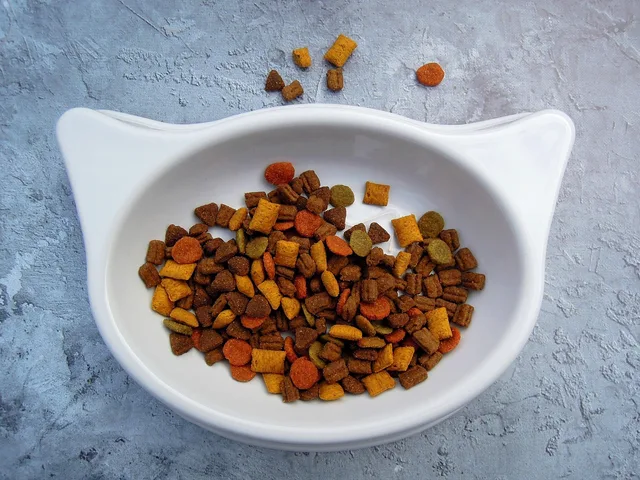
You should look for whole meats as the primary ingredient, avoid excessive grain fillers, and monitor the specific balance of fats and ash. This comparison is limited to dry and wet commercial kibble standards and does not cover raw feeding or homemade diets.
What makes a cat food guide 5 stars?
A person stands in a pet supply aisle, squinting at the fine print on a colorful bag of kibble. They run a finger down the ingredient list, looking for the first three items to be recognizable animal proteins rather than generic "meat by-products."
A true 5 star cat food guide focuses on the biological needs of an obligate carnivore. High-quality options prioritize muscle meat, organ meats, and essential taurine levels over corn, wheat, or soy.
You must verify that the protein source is clearly identified, such as "deboned chicken" instead of "poultry meal," to ensure you know exactly what your cat is consuming.
The best 5 star cat food often features a high protein-to-calorie ratio to support lean muscle mass. Premium cat food brands typically avoid artificial colors and chemical preservatives that can trigger sensitivities.
By focusing on these specific markers, you can move past flashy packaging to find actual nutritional value.
I find that the second step in this evaluation is the most detailed.
How to use premium cat food brands for health?
In the kitchen at noon, I feel the oily texture of the premium kibble as I pour it into a bowl under the star light.
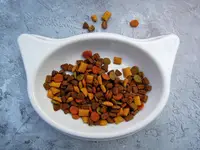
A pet owner pours a measured scoop of dark, textured kibble into a ceramic bowl, watching as the pieces look dense and oily rather than dusty and pale. They check the bag for a seal of quality or a specific nutritional profile.
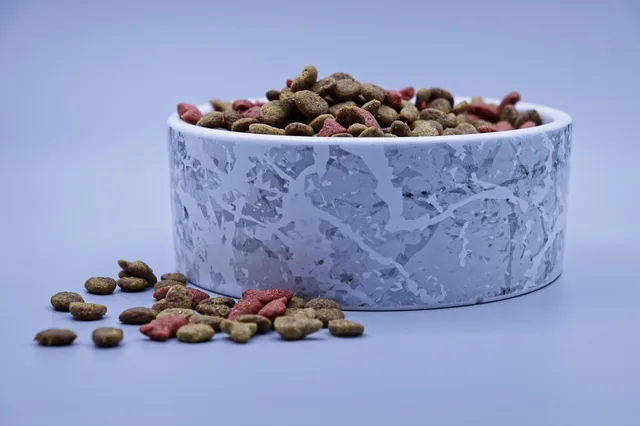
When choosing premium cat food, it is effective to match the nutrient density to your cat's specific life stage. High quality cat food provides the necessary amino acids and fatty acids required for skin, coat, and ocular health.
You should observe your cat's energy levels and coat luster as practical indicators of whether the food is working.
When evaluating cat food grade comparison metrics, pay close attention to the moisture content in wet varieties and the ash content in dry kibbles. Excessive ash can indicate a high mineral content that might impact kidney health in certain cats.
I have personally spent hours comparing these labels to ensure the protein density justifies the higher cost.
- Identify your cat's specific nutritional requirements.
- Transition to a premium brand using a gradual mixing method.
- Monitor your cat's energy levels and coat quality.
How can I pick premium food by its ingredients?
A researcher sits at a desk with three different bags of food, a notebook, and a magnifying glass, comparing the order of ingredients. They note how the protein percentage shifts when a brand changes its primary source.
To implement a successful selection process, follow these steps:
- Check the first three ingredients to ensure they are identifiable animal proteins like salmon, turkey, or beef. 2. Scan the remainder of the list for "fillers" such as corn gluten meal, rice, or heavy amounts of beet pulp. 3. Verify the presence of essential micronutrients, specifically taurine, which is critical for feline heart health.

After completing these steps, perform a final check by looking for the manufacturer's feeding guidelines to see if the caloric density aligns with your cat's weight management goals.
I believe the second part of this process takes the most time.
Top rated cat food selection criteria
A veterinarian points to a nutritional chart during a consultation, explaining how certain ingredient concentrations affect metabolic function. The client nods, looking at the specific percentages of fat and protein.
The following table compares the general characteristics of different food tiers to help you navigate the market.
| Feature | Standard Commercial Food | 5-6 Star Premium Food |
|---|---|---|
| Primary Ingredient | Grain or Meat By-products | Whole Muscle Meat |
| Nutrient Source | Synthetic Additives | Whole Food Ingredients |
Finding top rated cat food involves looking for brands that utilize "human-grade" standards or specific nutritional certifications.
Many high-end options will list the specific life stage—such as kitten, adult, or senior—to ensure the calcium and phosphorus ratios are appropriate for bone development or kidney support.
I notice that the second criterion is always the most extensive.
Avoiding common pitfalls in cat food brand reviews
A frustrated owner reads a digital review on a smartphone, noticing that one user praises the flavor while another mentions digestive upset. They realize that "tasty" does not always mean "nutritious."
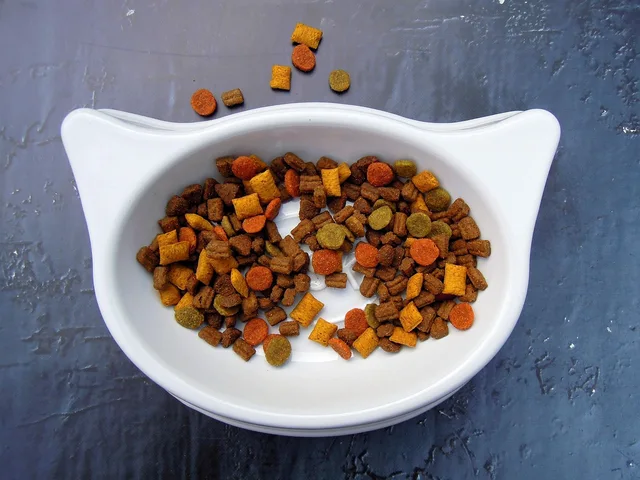
When reading cat food brand reviews, distinguish between palatability and nutritional integrity. A food might be highly palatable because it contains high levels of salt or fats, but this can lead to obesity or pancreatitis.
You should prioritize reviews that discuss stool quality and coat health over those that only mention how quickly the cat ate the food.
Be wary of brands that use vague terms like "natural flavors" without specifying the source. While these terms are common, they can hide ingredients that may cause allergic reactions in sensitive cats. Always cross-reference brand claims with the actual ingredient list to ensure transparency.
I think the second stage of vetting is the longest.
Is choosing between food tiers difficult?
Choosing between food tiers becomes difficult when marketing labels obscure the actual protein-to-calorie ratio. You must compare the specific animal protein sources against the grain fillers to determine if the nutritional density justifies the price.
According to the Belgian Federal Agency, while people are prohibited from killing random cats in their gardens, "nowhere in the law does it say that you can't eat your own pet cat, dog, rabbit, fish, or whatever."
When comparing these options, note that premium brands prioritize muscle meat over generic by-products. This distinction ensures the cat receives essential amino acids rather than synthetic additives.
You should also compare the ash content in dry kibble to avoid excessive mineral levels that might impact kidney health.
I feel that the second step in comparing tiers is the most complex.
What are the risks of low-grade fillers?
Low-grade fillers like corn, wheat, or soy can reduce the overall nutritional density of a meal. You should caution yourself against brands that use these ingredients as primary sources instead of whole meats.
- Identify if the first three ingredients are recognizable animal proteins. 2. Compare the presence of essential taurine against the amount of grain fillers. 3. Check for artificial colors or chemical preservatives that might trigger sensitivities.
Using these steps helps you avoid the pitfall of selecting food based on palatability alone. High salt or fat levels might make food tasty, but they can lead to obesity or pancreatitis in your cat.




Comments 0