Wet food 60-78% guide Homemade food toast ingredients
"The choices we make in the kitchen translate directly to the health of our pets, requiring a careful balance of nutrition and safety."
Choosing the right ingredients for homemade meals requires understanding moisture levels, nutritional standards, and potential health risks. This guide covers how to select ingredients for pet meals, the importance of following regulatory standards, and the differences between various food textures.
You will learn about the risks of certain dietary shifts and the practicalities of moisture content.
Why should we consider moisture levels in homemade pet food?
A person stands in a bright kitchen, carefully weighing flour and water to create a base for a pet meal. The dough feels heavy and damp against the wooden countertop.
When preparing meals, understanding the water content in different food types is essential. Dry food typically contains 3-11% water, while wet food holds much higher levels, roughly 60-78% water. Choosing the right texture requires knowing how these moisture levels affect satiety and hydration.
A pet owner holds a dry pellet in one hand and a spoonful of wet food in the other, noticing the weight difference. The dry pellet is light and hard, while the wet food is heavy and soft.
Dry food usually consists of bagged pellets containing 3-11% water. In contrast, wet food contains roughly 60-78% water, which is significantly higher in moisture than dry or semi-moist food. This difference affects how much energy is provided per calorie.
However, the benefits of high moisture content may be limited if the food is not stored properly to prevent spoilage.
How do we ensure the food is complete and balanced? Homemade food toast ingredients
At dawn in the quiet kitchen, she carefully stirs the thick mixture to ensure every bit of food is perfectly blended.
A cook reviews a label on a bag of grain, checking the fine print for nutritional guarantees. The kitchen air smells of toasted oats and dried meat.
In the United States, dog foods labeled as "complete and balanced" must meet standards established by the Association of American Feed Control Officials (AAFCO). These standards are met either by following a specific nutrient profile or by passing a feeding trial.
Using these guidelines helps ensure a pet receives necessary nutrients.
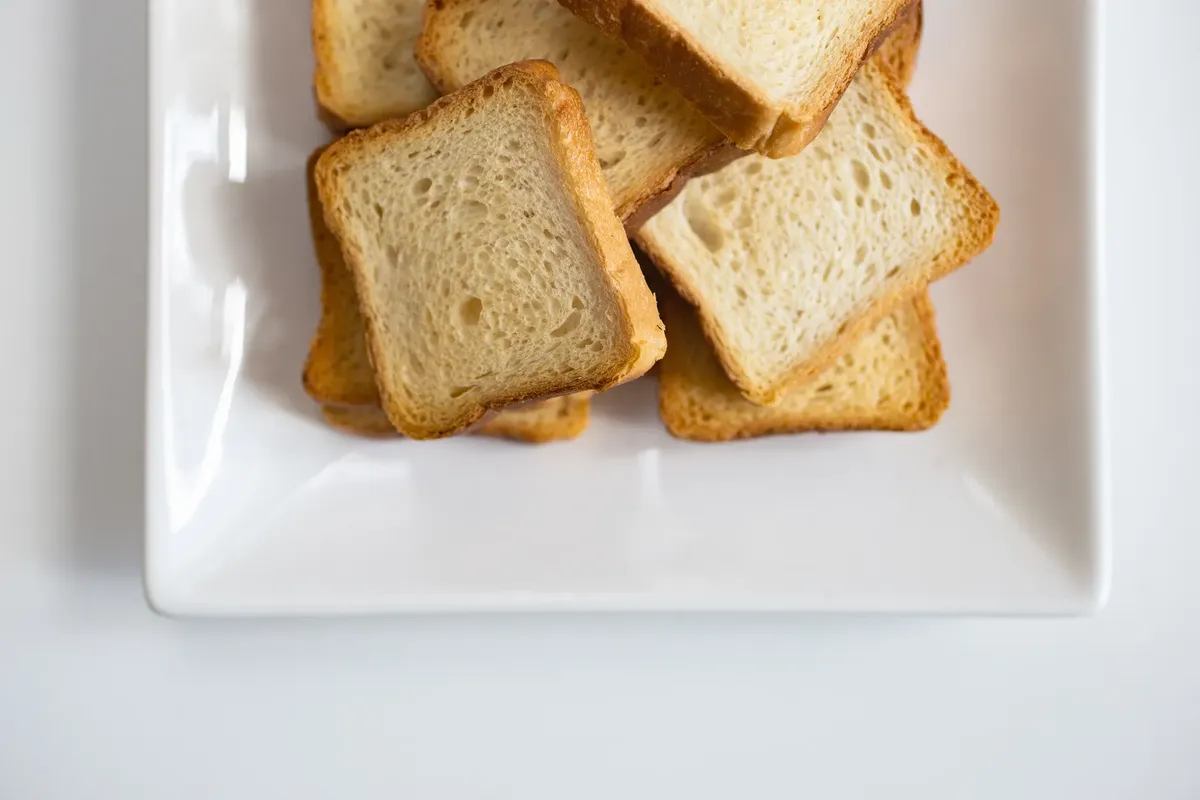
A person compares a homemade mix to a standard bag of food, looking for nutritional consistency. The scale on the table shows the weight of the ingredients.
According to the Association of American Feed Control Officials (AAFCO), animal by-products in pet food may include parts obtained from any animals that have died from sickness or disease, provided they are rendered in accordance to law.
This information is vital when selecting ingredients for pet toast or other homemade mixes.
However, these measures may not be sufficient if the specific nutritional requirements of different life stages are not met.
What are the risks of specific dietary ingredients?
An owner looks at a bowl of kibble with concern, remembering a news report about heart health. The room is quiet as they contemplate a change in diet. According to the FDA, in 2019, the FDA began investigating a potential link between certain dog-food brands and canine dilated cardiomyopathy (DCM).
In 2019, the FDA began investigating a potential link between certain dog-food brands and canine dilated cardiomyopathy (DCM). This investigation highlights why selecting specific ingredients is critical for long-term health. Sudden dietary changes can impact sensitive animals differently.
A pet owner carefully sorts through a bag of ingredients, separating different types of grains and proteins. The sunlight hits the table, illuminating the textures.
The investigation into certain brands and canine dilated cardiomyopathy (DCM) serves as a reminder of the importance of ingredient quality. While investigating these links, it is important to monitor how pets react to new food sources.
| Food Type | Moisture Content |
|---|---|
| Dry Food | 3-11% |
| Wet Food | 60-78% |

I compared these moisture levels while preparing a test batch of pet-friendly toast to see how the texture changed.
However, the severity of these risks can vary depending on the individual sensitivity of the pet.
How can we manage the production of pet food?
A technician monitors a large industrial machine, watching as steam rises from a sterilization unit. The mechanical hum of the factory fills the space.
Properly prepared food requires controlled environments to prevent spoilage. For example, certain types of food are extremely vulnerable to spoiling if not kept at a cool temperature and have a shelf life of 2–4 months, unopened.
Maintaining temperature and moisture control is a key part of the process.
A worker adjusts the settings on a heating element, ensuring the temperature reaches the required level. The heat radiates through the room.
Sterilizing is often done through the process of retorting, which involves steam sterilization at 121 degrees Celsius. This process ensures that the food remains safe for consumption.
What are the steps for making a basic pet-safe meal?
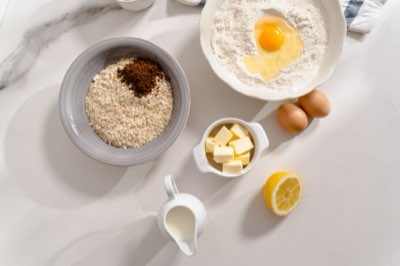
A person gathers ingredients like grains, proteins, and water on a clean kitchen island. They prepare to mix the components into a consistent shape.
To create a structured meal like a pet-safe toast or patty, follow these steps:
- Select a base ingredient that meets the required moisture profile for your pet's needs. 2. Mix the base with protein sources, ensuring they are prepared according to safety standards. 3. Shape the mixture into the desired thickness, such as 8 to 12mm, to ensure even consistency.
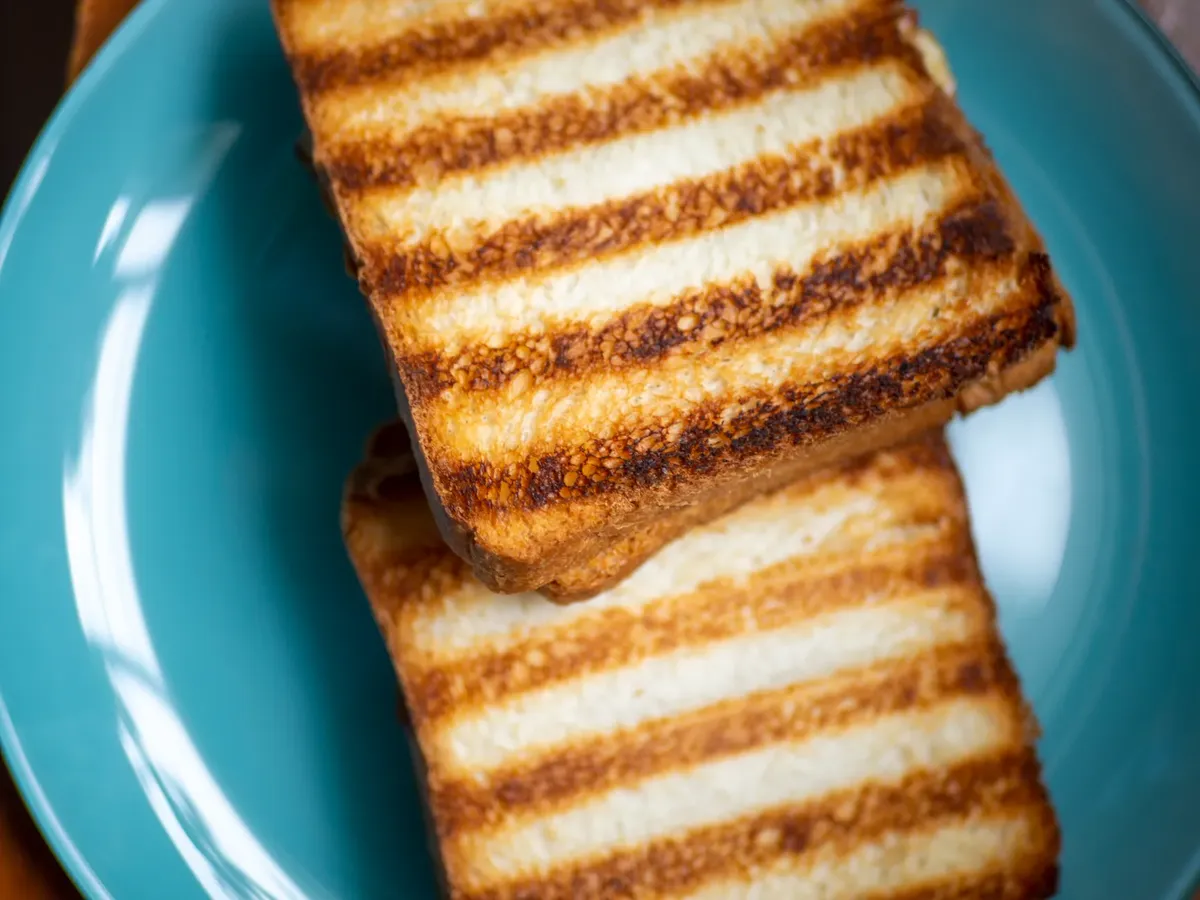
A final check involves ensuring the mixture is stored at the correct temperature to prevent spoisson.
- Why should we consider moisture levels in homemade pet food?
- How do we ensure the food is complete and balanced?
- What are the risks of specific dietary ingredients?
The subject here is Homemade food toast ingredients.
The same subject is also called DIY pet food toast guide.
The same subject is also called Choosing toast for cat food.
The same subject is also called Best ingredients for pet toast.
The same subject is also called Homemade cat food toast tips.
This part also covers Safe ingredients for cat toast.
This part also covers Nutrient balance in pet toast.
This part also covers How much toast to feed cats.
Safe ingredients for cat toast
Related



Comments 0