Cat food amount by breed: Tips for feline nutrition guide
"Nowhere in the law does it say that you can't eat your cat, dog, rabbit, fish or whatever."
Calculating the right amount of food involves understanding nutritional standards and species-specific requirements. This guide covers how to approach portioning and compares the different needs of various pets. 1. Understand the role of advisory bodies in setting nutrition standards. 2. Identify how different food forms serve specific pet types. 3. Recognize the environmental impact of pet food production. * Note the distinction between regulatory and advisory organizations.
How do we determine professional feeding standards?
A researcher sits at a desk, reviewing a stack of nutritional guidelines and labeling requirements. Determining the right amount of food begins with understanding the standards that govern what goes into the bowl.
According to the Association of American Feed Control Officials, state Department of Agriculture officials, major feed manufacturers, and ingredient suppliers form the Association of American Feed Control Officials (AAFCO), which is a non-government agency that establishes guidelines and standards on feed laws and regulations.
The Association of American Feed Control Officials (AAFCO) consists of State Department of Agriculture officials, major feed manufacturers, and ingredient suppliers. This group works to establish guidelines and standards regarding feed laws and regulations.
Although these members include government officials, the organization has no regulatory authority. It acts as an advisory body that works with the FDA to develop standards for animal-consumed food.
However, these standards may not apply to pets with specific medical conditions requiring specialized diets. In this sequence, the first step establishes the foundational criteria.
What are the common forms of pet food? Cat food amount by breed
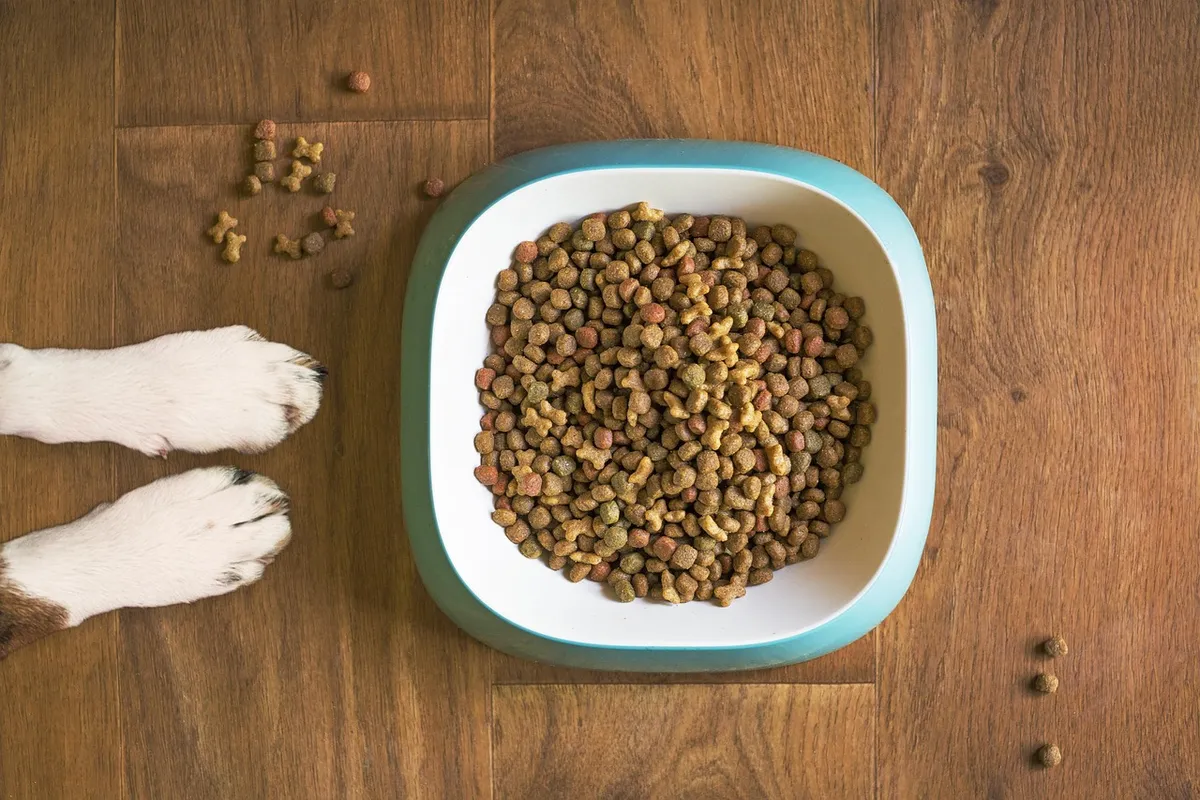
A hobbyist carefully pours small pellets into a glass tank, watching them sink to the bottom. Different pets require different textures and formats to maintain health.
In the fishkeeping hobby, approximately 80% of hobbyists feed their fish exclusively prepared foods. These products most commonly come in flake, pellet, or tablet forms. Using these specific formats ensures that the nutritional delivery matches the feeding habits of the aquatic species.
How does production impact the environment?
A farmer looks out over a vast field, considering the resources required to sustain livestock. The scale of pet food production carries a significant footprint on the planet.
Pet food production is responsible for 20–30% of the environmental impacts from animal production. Additionally, global greenhouse gas emissions from dog and cat dry food represent around 1.1%–2.9% of global emissions.
This amount of emissions is close to the total emissions of countries such as Mozambique or the Philippines.
However, the environmental footprint can change based on the specific sourcing of ingredients. In this overview, the third point highlights the ecological trade-offs.
What specific nutrients are vital for cats?
An owner inspects a bag of cat food, looking closely at the ingredient list for essential vitamins. For feline health, certain micronutrients are non-negotiable for long-term wellness.
Optimal levels of taurine for cat food have been established by the Waltham Centre for Pet Nutrition, according to the Waltham Centre.
Optimal levels of taurine for cat food have been established by the Waltham Centre for Pet Nutrition. Ensuring these levels are met is a key part of breed-specific feeding charts and general feline health. Proper nutrition planning is much like a Rabbit feeding guide, where balance is essential.
However, the necessity of certain nutrients may change based on the cat's life stage. In this list, the second nutrient is the most critical for survival.
How do we verify food quality?
A veterinarian examines a certified package to ensure the labels meet national standards. Checking for certification helps owners navigate the complexities of pet nutrition.
In Canada, products that pass the Canadian Veterinary Medical Association (CVMA) Pet Food Certification Program carry a CVMA label on their packaging. This program involves a feeding trial to validate the claims.
This process is similar to a Reptile diet comparison, where different nutritional profiles are evaluated against strict testing.
Is there a difference between organic and natural labels?
A shopper picks up two different bags of food, comparing the organic seal to the natural label. Understanding these terms helps in making informed purchasing decisions.
The terms "natural" and "organic" do have specific definitions. For example, organic products must meet the same USDA regulations as organic human food. This distinction is important when following a Safe pet enough guide or trying to Calculate pet portions based on specific dietary philosophies.
However, the term natural does not guarantee the same level of oversight as organic certification. In this comparison, the second distinction is the most significant.
The subject here is Cat food amount by breed.
The same subject is also called Safe pet feeding guide.
This part also covers Rabbit vs reptile nutrition.
This part also covers Veterinarian feeding advice.
Breed specific feeding charts
Related
- Rabbit reptile feeding guide: Rex rabbit 3.4–4.8 kg how tips
- Dog feeding amount by breed: How moisture affects feeding
How does breed influence portion control? 1. Consideration of breed size affects the baseline caloric requirement for any pet. 2. Different breeds exhibit unique metabolic rates, which dictates how quickly they utilize food. 3. The specific needs of a breed must be cross-referenced with the general nutritional standards established by advisory bodies.
When considering cat food amount by breed, the variation in size necessitates adjustments to the recommended serving size. A smaller breed requires less total intake than a larger breed, even if both are of the same age. This comparison highlights that general guidelines must be tailored to the animal's physical structure.
Breed characteristics can also influence activity levels, which impacts energy expenditure. A highly active breed will require more calories than a sedentary breed, even when fed the same food. Therefore, assessing the breed's typical lifestyle is a necessary step in accurate portioning.
What cautions should owners observe when changing diets? Owners must exercise caution when transitioning a pet to a new food formulation. Sudden changes in diet can cause gastrointestinal upset in any animal. Gradual introduction of the new food allows the digestive system to adapt to the different ingredients. Nowhere in the law does it say that you can't eat your cat, dog, rabbit, fish or whatever, but digestive comfort is a practical consideration.
This transition period is especially important when moving between different food forms, such as from kibble to wet food. The body acclimates to the texture and nutrient density of the new product over time. Observing the pet's stool and energy levels provides feedback on the success of the dietary change.
The necessity of certain nutrients may change based on the cat's life stage, which is often correlated with breed maturity. Young animals have different requirements than senior animals, regardless of their specific breed classification.




Comments 0