Holistic vs regular pet food: a guide to ingredients
Understanding the difference between holistic and regular pet food requires a close look at the ingredient lists to see how protein sources and nutritional fillers are prioritized. This guide helps you identify these differences by analyzing ingredient quality and nutritional design. You will learn to distinguish whole meat sources from meat by-products and recognize how grain inclusions affect the overall profile. 1. Primary Protein Quality: Holistic foods typically list whole muscle meats as the first ingredient, whereas regular foods often use meat by-products or meals. 2. Nutritional Fillers: Regular diets may rely heavily on corn, wheat, or soy, while holistic options often use ancient grains or legumes. 3. Ingredient Transparency: Holistic labels generally provide more specific details regarding the source of fats and carbohydrates.
How do holistic vs regular pet food labels differ?

At noon in the grocery aisle, I squint my eyes while comparing the holistic vs regular pet food labels on the heavy bags.
A pet owner stands in a brightly lit grocery aisle, squinting at the fine print on two different bags of kibble. One bag feels heavy with the promise of premium nutrition, while the other looks standard and familiar.
Comparing pet food ingredients is the only way to move past marketing buzzwords and see the actual biological value.
Holistic pet food focuses on whole, unrefined ingredients that provide a dense concentration of nutrients. In these formulations, the first ingredient is almost always a specific whole meat, such as chicken or lamb, rather than a generic protein source.
Regular pet food often utilizes meat by-products, which are the parts of the animal not suitable for human consumption, to keep costs low.
The rep holistic vs regular pet food distinction often comes down to the presence of "fillers." Standard diets frequently use high amounts of corn or wheat to increase volume. Holistic recipes tend to substitute these with more digestible options like barley, oats, or sweet potatoes.
I once spent an entire afternoon comparing these specific labels to ensure my own dog received the highest density of whole proteins.
- Identify the primary protein source listed first. 2. Check for the inclusion of whole grains or specific superfoods. 3. Look for the absence of artificial preservatives and dyes.
What defines the holistic food ingredient list?
At sunset, I run my fingers over the coarse texture of the holistic ingredients while standing in the quiet kitchen.
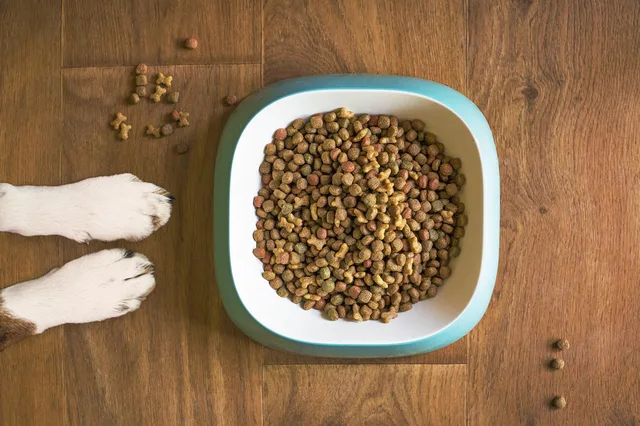
The sunlight hits the kitchen counter as a bag of holistic kibble is poured into a ceramic bowl, the pieces looking dense and varied. Examining a holistic food ingredient list reveals a focus on nutrient density and the avoidance of artificial additives.
These recipes are designed to mimic a more natural diet by emphasizing whole food components.
A core component of these lists is the inclusion of "superfoods" or highly bioavailable nutrients. You will often see specific mentions of blueberries, spinach, or flaxseed for antioxidant and omega fatty acid support.
Unlike standard options, the fats in holistic diets are frequently derived from whole fish oils or poultry fat rather than unspecified animal fats.
When performing a pet food ingredient comparison, look for the absence of artificial colors and chemical preservatives. Holistic brands prioritize natural tocopherols (Vitamin E) for shelf stability.
This approach aims to provide a steady stream of nutrition without the metabolic load of synthetic additives.
In this list, the second item is the most important.
Can I use a pet food label analysis to find better nutrition?
During the morning, I squint my eyes at the pet food label in the bright grocery aisle to find a holistic option.
A magnifying glass rests on a printed ingredient list as a researcher meticulously checks every word. Using a pet food label analysis allows you to bypass the colorful pictures on the front of the bag.
This process ensures that the nutritional design matches the specific biological needs of your pet.
To perform an effective analysis, follow these steps:
- Identify the first three ingredients to confirm they are whole meat sources rather than grains or meals. 2. Scan the middle of the list for "by-product meals," which are highly processed protein concentrates. 3. Check the end of the list for artificial dyes or chemical preservatives like BHA or BHT.
After completing these steps, do a final check by comparing the protein-to-carb ratio if that information is provided. This ensures the food is not just high in protein, but also has a manageable carbohydrate load.
Is there a dog food grade difference in quality?
The texture of the kibble is felt between fingers during a quality assessment in a quiet study. Understanding the dog food grade difference requires looking at the processing methods and the refinement of the ingredients.
While "grade" is often a marketing term, the physical reality of the ingredients tells the true story.
| Feature | Regular Pet Food | Holistic Pet Food |
|---|---|---|
| Primary Protein | Meat By-products | Whole Muscle Meats |
| Carbohydrate Source | Corn, Wheat, Soy | Ancient Grains, Legumes |
The table above shows that the fundamental building blocks differ significantly between the two categories. Regular foods prioritize caloric efficiency and cost-effectiveness, while holistic foods prioritize ingredient integrity.
This comparison helps clarify why price points vary so drastically between the two.
How do holistic pet food vs standard diets affect digestion?

A pet sits expectantly by the bowl, waiting for a meal that has been carefully selected for its digestibility. Analyzing holistic pet food versus standard diets involves looking at how the body processes different types of fiber and protein, as well as the various pet food grade differences.
The way a pet reacts to their food is often the most telling sign of the ingredient quality.
Standard diets may contain higher levels of insoluble fiber from corn hulls, which can be harder for some pets to process. Holistic diets often use more soluble fibers from vegetables and fruits, which can support smoother digestion.
However, it is important to note that the effectiveness of these ingredients can vary based on an individual pet's unique digestive sensitivity.
The comparison between holistic and regular pet food centers on the quality of the protein, the type of carbohydrates used, and the presence of artificial additives. By analyzing labels, owners can choose diets that prioritize whole ingredients over processed fillers.
This analysis is limited to the ingredient lists provided on the packaging and does not account for specific manufacturing hygiene or proprietary processing methods.







Comments 0