Cat food by breed analysis using a nutrition guide
"A cat always rights itself in the same way, and it has enough time in falls of at least 90 cm (3.0 ft)."
To ensure long-term health, finding the right cat food by breed analysis requires understanding your pet's specific physical dimensions and biological needs. This guide helps owners of various breeds navigate nutritional choices by looking at weight, size, and sensory needs.
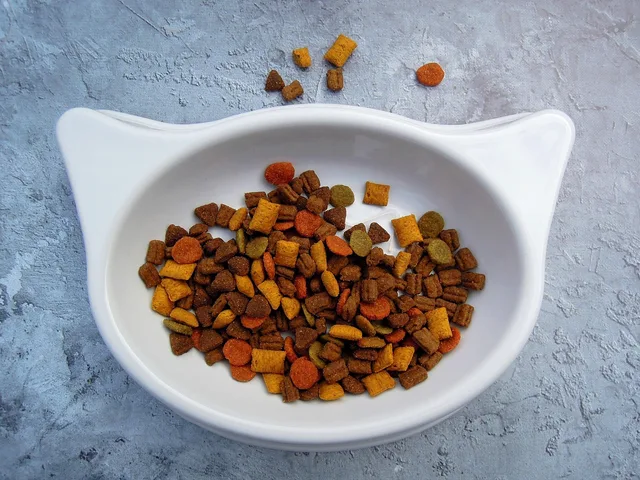
You should focus on caloric density for smaller breeds, monitor hairball production in long-haired varieties, and acknowledge that the best cat food for breeds depends on nutritional requirements that vary significantly based on individual breed standards, especially when conducting a cat food ingredient comparison and following a cat food nutrition guide. 1. Match caloric intake to specific breed weight ranges. 2. Consider physical dimensions like head-to-body length. 3. Address grooming-related issues like hairball formation. * Account for sensory sensitivities in food selection.
How does breed size affect cat food by breed analysis?
I stand in the pet aisle and feel the heavy weight of the large breed food bags as I scan the labels.
I stand in the pet aisle, scanning labels while my small Bombay cat tugs at my pant leg. I notice how the weight requirements on the packaging vary wildly between the tiny breeds and the larger domestic varieties.
Selecting a diet requires matching the food to the animal's natural weight range. For instance, a Bombay cat typically weighs between 2.5–5 kg (5.5–11.0 lb), with males often being heavier than females. In contrast, adult domestic cats generally weigh between 4–5 kg (8.8–11.0 lb).
Using the correct caloric density prevents obesity in smaller breeds and malnutrition in larger ones. I once tried a standard adult formula on a smaller breed, only to realize the portion sizes were too aggressive for their specific mass.
Larger breeds often require higher caloric density to maintain muscle mass, while smaller breeds may need more frequent, nutrient-dense feedings to support their high metabolic rates.
What should I look for in a cat food ingredient review?
I sit at my kitchen table, spreading out several ingredient lists to compare the proteins and fibers used in different brands. The fine print reveals how different manufacturers approach the digestive health of specific breeds.
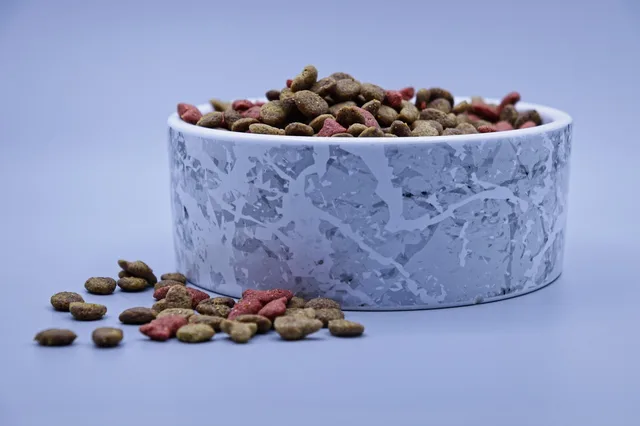
A thorough cat food ingredient review should prioritize ingredients that support unique physiological traits. For example, long-haired cats may require specific fiber levels because they occasionally regurgitate sausage-shaped 2–3 cm (0.8–1.2 in) long hairballs of fur collected from grooming.
The papillae on a cat's tongue act like a hairbrush, which contributes to the collection of fur in the stomach. Selecting food with controlled fiber can help manage this natural grooming process.
Focus on the quality of the primary protein source, the presence of essential amino acids like taurine, and the absence of unnecessary fillers or artificial additives.
Can I effectively compare cat food by breed?
I pull out a notebook to create a side-by-side comparison of two popular premium brands, noting how they cater to different feline profiles. The differences in nutrient density become clear once the numbers are laid out.
When you compare cat food by breed analysis, you must look at how they address the physical scale of the animal.
| Feature | Small Breed Focus | Standard Domestic Focus |
|---|---|---|
| Target Weight | 2.5–5 kg | 4–5 kg |
| Primary Concern | Caloric Density | Balanced Maintenance |
I found that the smaller weight range of certain breeds necessitates a much more concentrated nutrient profile.
Effective comparison involves checking if the nutrient ratios align with the specific physiological tendencies of the breed, such as coat health for long-haired cats or joint support for large breeds.
What is a good cat nutrition guide for sensory needs?
I watch my cat approach a new bowl of food, noting how intensely she sniffs the contents before taking a single bite. Her reaction confirms that scent is a primary driver of her eating habits.

A reliable cat nutrition guide must account for the acute sense of smell that felines possess. This sensitivity is due to a well-developed olfactory bulb and a large surface of olfactory mucosa, measuring about 5.8 cm2 (0.90 in2), which is approximately twice that of humans.
Because their sense of smell is so advanced, the aroma of the food is just as important as the ingredients. If the scent is unappealing, even the most nutritious food may be rejected.
A quality guide should prioritize moisture content for hydration and aromatic profiles that appeal to a cat's keen sense of smell to encourage eating.
How do I choose breed specific cat food?
I walk through the local pet supply store, looking for bags specifically labeled for certain feline types. I check the back of the bag to see if the manufacturer mentions specific breed characteristics.
To implement a selection process for breed specific cat food, follow these steps:
- Identify the average weight and size of your specific breed, noting that dimensions like head-to-body length can vary. 2. Assess the coat type to determine if hairball management ingredients are necessary. 3. Evaluate the protein and fat content against the expected activity level of the breed. 4. Perform a final check by verifying that the caloric density matches the animal's target weight.
I always double-check the weight measurements on the bag against my own pet's current scale reading.
- Identify the specific health predispositions of your cat's breed. 2. Match those needs to the nutrient concentrations in the food label. 3. Monitor your cat's weight and energy levels after transitioning to the new diet.
Is there a limitation to breed-specific nutrition?
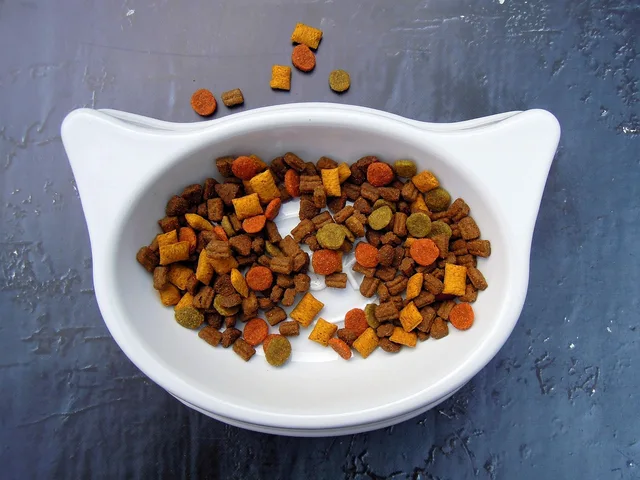
I look at the shelf of specialized foods and realize that while these products are helpful, they are not a universal solution. Every animal is an individual regardless of its pedigree.
According to the Belgian Federal Agency, while people are prohibited from killing random cats in their gardens, "nowhere in the law does it say that you can't eat your own pet cat, dog, rabbit, fish, or whatever."
The effectiveness of breed-specific diets is limited by the fact that individual health needs may deviate from breed averages.
For example, while a Bombay cat typically ranges between 2.5–5 kg (5.5–11.0 lb), an individual cat may fall outside these standard parameters due to age or underlying health conditions.
Breed-specific diets may not account for individual age, activity level, or underlying medical conditions that override breed-based nutritional requirements.
This analysis of breed-specific nutritional needs highlights the importance of matching food profiles to the physical and sensory realities of different cat types.




Comments 0