Cat feeding amount by weight: Why use 0.75 power
"Determining the exact amount of food a cat needs is not a matter of guesswork, but a calculation of metabolic requirements based on their specific physical state."
To find the correct cat feeding amount by weight, you must calculate the Resting Energy Requirement (RER) and then adjust it based on the cat's activity level and life stage. This guide is for pet owners seeking to prevent obesity or malnutrition through mathematical precision.
You should avoid using generic "one size fits all" bowl measurements, and note that these formulas may not account for specific underlying medical conditions.
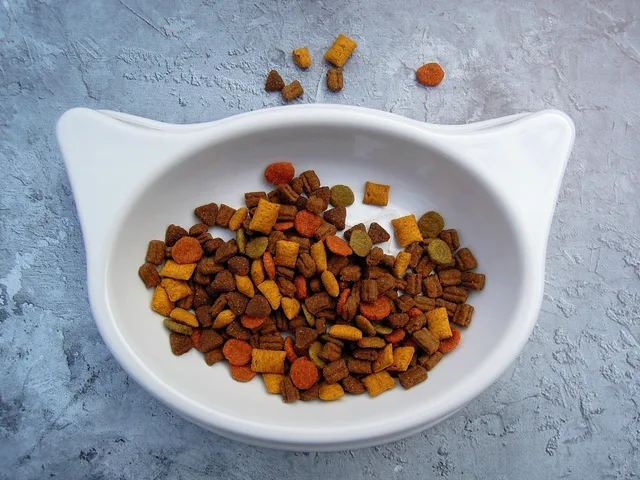
* Calculate RER using the formula: 70 × (body weight in kg)^0.75. * Apply a multiplier based on life stage (e.g., kitten, adult, or senior). * Adjust the final caloric total based on the calorie density of the specific food.
How can I determine the correct rep?
In the dim morning light of the kitchen, you squint at the scale while feeding the precise amount of kibble into a ceramic bowl.
A kitchen scale sits on the counter as you carefully weigh a small bowl of kibble to ensure accuracy. To establish the proper rep, you first need the cat's current weight in kilograms. Once you have the weight, you apply the standard metabolic formula to find the baseline energy needs.
The baseline is determined by calculating the Resting Energy Requirement (RER). This figure represents the energy a cat needs to maintain basic physiological functions while at complete rest.
According to the standard metabolic model, you multiply 70 by the cat's weight in kilograms raised to the power of 0.75. This provides a scientific starting point rather than a visual estimate.
After finding the RER, you must apply a multiplier to reflect the cat's lifestyle. An active adult cat requires more calories than a sedentary indoor cat, while a growing kitten requires a significantly higher multiplier to support development, which is often calculated based on the cat feeding amount by weight.
Using weight based calorie needs ensures that the energy supplied matches the energy expended.
I find that the second step is the longest.
How do I calculate my calories based on my weight?
The sunlight streams through the window as you sit at the dining table with a calculator and a bag of cat food. You prepare to transition from general feeding to a structured nutritional plan.
- Record the cat's most recent weight using a digital scale to ensure the measurement is precise. 2. Perform the RER calculation by taking the weight to the 0.75 power and multiplying by 70. 3. Multiply that RER result by a factor specific to the cat's status, such as 1.2 for a neutered adult or 1.5 for a growing kitten.
I performed this calculation last month to adjust my own pet's portion after a period of inactivity. Finally, check the caloric density on the food packaging, which is usually listed as kcal/kg, to convert the total required calories into actual grams of food.
- Calculate the resting energy requirement.
- Adjust for activity level.
- Determine the final daily caloric intake.
What is the best nutritional cat feeding amount by weight?
A hand reaches for two different bags of food, one labeled "High Protein" and another "Maintenance," to compare the nutritional density. Understanding how to calculate cat food needs requires looking at the energy density of the ingredients.
| Food Type | Typical Caloric Density | Primary Focus |
|---|---|---|
| High-Protein Kibble | Higher kcal/kg | Muscle maintenance |
| Low-Calorie Diet | Lower kcal/kg | Weight management |

Different brands offer varying levels of protein content for cats, which affects how much physical volume the cat must eat to reach its caloric goal. If a food is highly calorie-dense, the cat will eat a smaller physical amount to meet its daily requirement.
Is protein content for cats a factor in volume?
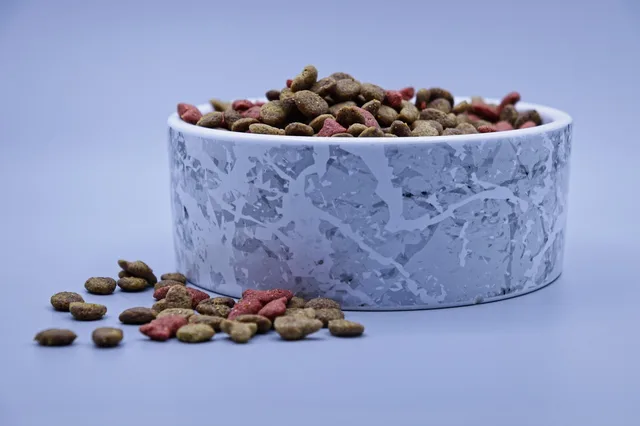
The texture of the food changes as you pour it into a ceramic dish, noting how much space it occupies. Protein content for cats is a critical component of the nutritional profile that dictates both satiety and caloric value.
A higher concentration of protein and fat generally leads to a higher calorie count per gram. When you are testing different kibble brands, you must look beyond the color of the bag and inspect the guaranteed analysis.
A food with high protein and fat will require a smaller measured volume to satisfy the calculated caloric need compared to a filler-heavy diet.
How to use a safe feeding amount guide?
The clock on the wall ticks as you prepare the morning meal, ensuring the portion matches the calculated schedule. Using a safe feeding amount guide involves consistent monitoring of the cat's body condition.
When manufacturing feeding guidelines, companies often provide ranges, but these are merely starting points. You must monitor the cat's ribs and waistline to see if the calculated amount is actually working.
If the cat is gaining excess weight, you may need to slightly reduce the multiplier applied to the RER.
Comparing cat food nutrition involves looking at the ratio of macronutrients. If you change brands, you cannot assume the old volume will work, as the new food may have a different energy density.
Managing feeding limitations
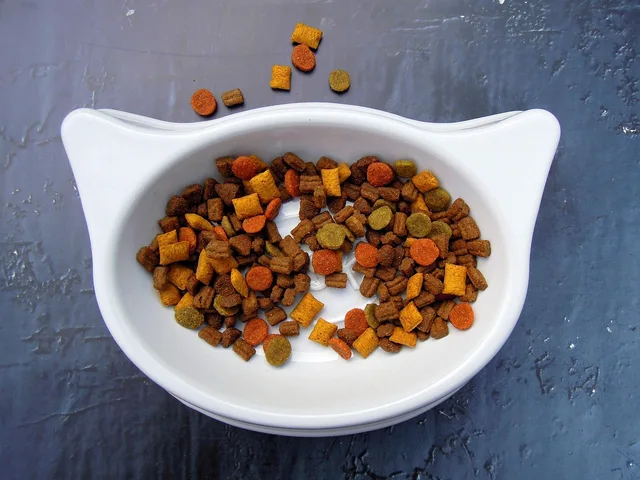
The cat nudges the empty bowl, looking for more, even though the calculated portion was finished. It is important to recognize that mathematical formulas have boundaries.
According to the British Small Animal Veterinary Association, the 2016 British Small Animal Veterinary Association Congress discussed the health implications and nutritional balance of raw feeding.
A limitation of these formulas is that they do not account for metabolic changes caused by specific illnesses or thyroid issues. While the RER provides a reliable baseline for healthy animals, a cat with a medical condition may require a specialized diet that deviates from standard caloric math.
The accuracy of this method depends on the precision of the initial weight measurement and the correct application of life-stage multipliers.







Comments 0