Dog food transition tips for 5 percent sensitive pets
"A sudden change in diet can disrupt the delicate balance of a pet's digestive system, leading to discomfort or refusal to eat."
Transitioning to a new diet requires a gradual approach, specifically using a 5% incremental increase of the new food to ensure digestive stability. This guide is for pet owners looking to change brands or formulas without causing gastrointestinal upset.
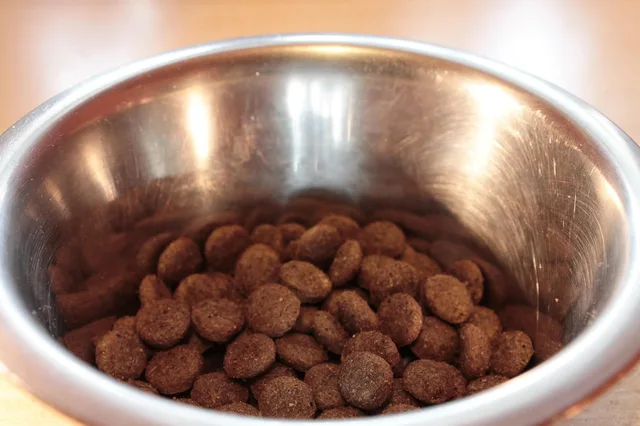
You should focus on mixing old and new kibble, adjusting feeding amounts daily, and monitoring stool consistency, though this method may not prevent all cases of picky eating if the flavor profile is drastically different.
How to use a dog food transition 5 percent method?
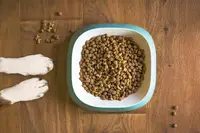
You stand in the kitchen, scooping a small amount of familiar kibble into a ceramic bowl while reaching for a new bag of protein-rich morsels. To implement a successful dog food transition 5 percent method, you must learn how to mix new food in tiny, manageable increments.
The transition method involves a 5% incremental increase of the new food to ensure digestive stability.
This prevents the sudden influx of new proteins or fats from overwhelming the gut.
The process involves a slow ladder of mixing. Start by replacing only a tiny fraction of the current meal with the new variety. By keeping the initial change at such a low threshold, you allow the microbiome to adapt to the new nutrient density.
This cautious pacing is the most reliable way to minimize the risk of diarrhea or vomiting during the switch.
What are the steps for changing pet food slowly?
You sit on the floor next to your pet, watching them sniff the bowl as you carefully stir the two different textures together. Changing pet food slowly is a matter of patience and precise measurement. If you move too fast, the digestive system reacts to the sudden change in fiber or fat content.
To manage this transition effectively, follow these three steps:
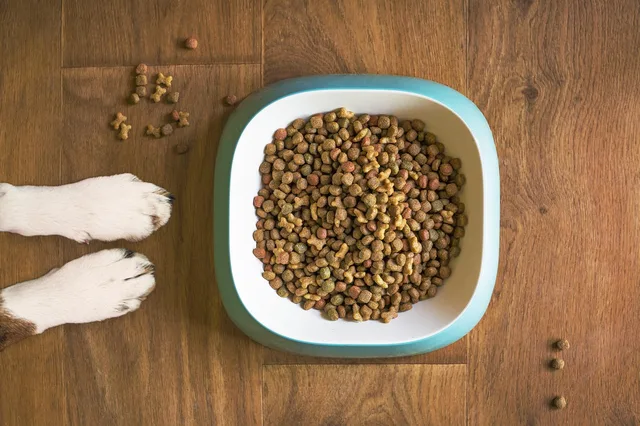
- Mix 95% of the old food with 5% of the new food for the first two days. 2. Increase the new food ratio to 25% while decreasing the old food to 75% for the next few days. 3. Reach a 50/50 split before moving toward a 75/25 ratio, eventually reaching 100% new food.
After completing these steps, perform a final check by observing the pet's energy levels and bowel movements for 48 hours. I found that watching the stool consistency during the 50/50 split was the most critical moment for my own dog.
Can I use a food transition ratio guide for different brands?
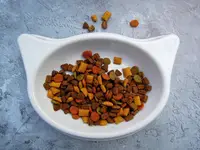
You spread a handful of dry kibble across a wooden countertop, comparing the size and color of the old pellets to the new ones. Using a food transition ratio guide helps you maintain consistency when switching between entirely different manufacturers.
Even if the calorie counts differ, the gradual ratio prevents metabolic shock.
When brands vary significantly in density, you must be even more careful. A ratio guide ensures that you do not inadvertently overfeed or underfeed the pet during the transition period. By adhering to a mathematical progression, you remove the guesswork from the feeding schedule.
How does adjusting feeding amounts affect the process?
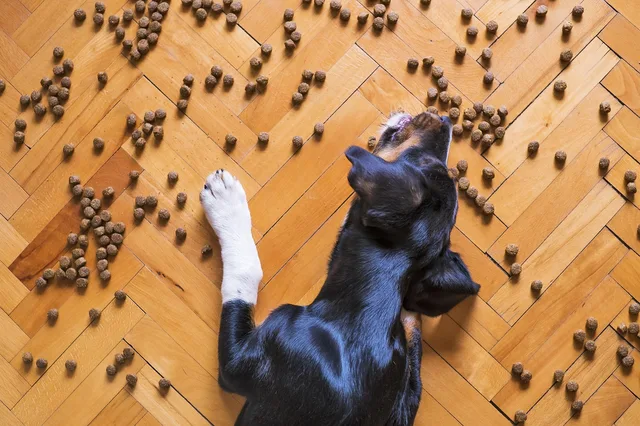
You hold a measuring cup in one hand and a kitchen scale in the other, ensuring the total volume of food remains consistent. Adjusting feeding amounts is necessary because new formulas often have different caloric densities.
If the new food is more nutrient-dense, the total volume might need to decrease to prevent weight gain.
| Transition Stage | Old Food % | New Food % |
|---|---|---|
| Initial Phase | 95% | 5% |
| Mid-way Phase | 50% | 50% |
I carefully weighed each portion during the mid-way phase to ensure the total caloric intake stayed within the recommended daily range. This prevents the pet from feeling overly full or hungry as the ingredients change.
What is the best way for preventing picky eating?
You observe your pet hovering near the bowl, hesitant to take the first bite of the new mixture. Preventing picky eating involves masking the new scent with a small amount of a familiar topper or warm water.
If the transition is too abrupt, the pet may associate the new food with the discomfort of a sour stomach.
A gradual introduction helps the pet accept the new scent profile. By mixing the foods thoroughly, the aroma of the old food helps bridge the gap to the new one. This sensory overlap is vital for maintaining a positive mealtime experience.
What are the safe food switch steps for sensitive stomachs?

You wipe a small spill from the linoleum floor, mindful of the precision required for a sensitive pet. Following safe food switch steps is mandatory for animals with known allergies or highly sensitive digestive tracts. For these pets, the 5% rule is not just a suggestion but a necessity for safety.
The process requires constant vigilance. You must monitor the pet's reaction at every single increment of the ratio. If any signs of distress appear, you must revert to the previous successful ratio before attempting to increase the new food again.
- How to use a dog food transition 5 percent method?
- What are the steps for changing pet food slowly?
- Can I use a food transition ratio guide for different brands?
Why should you monitor stool consistency?
Monitoring stool consistency is the primary way to detect if a sudden change in diet is causing gastrointestinal distress. You must observe the pet's bowel movements closely during every stage of the transition.
If the stool becomes soft or irregular, it indicates that the current ratio of new food is too high for the digestive system to handle.
Comparing the stool at the 5% stage to the stool at the 50/50 stage helps you determine if the pet is adapting well. If the consistency changes negatively, you should pause the transition and return to the previous ratio.
This caution ensures that the gut microbiome is not overwhelmed by the new nutrient density.
How can you compare different food densities?
You look at the texture of the kibble to see if one brand is significantly denser than the other. Comparing the density of the old food to the new food is a necessary step before you adjust the feeding amounts. A denser food might require a smaller total volume to maintain the same caloric intake.
If you notice the new food is more nutrient-dense, you must decrease the total volume to avoid weight gain. This comparison prevents metabolic shock and ensures the pet receives the correct amount of energy without causing digestive upset.
Based on the retained excerpt mentioning Prostate cancer and prostatic diseases: This study aims to investigate whether Fluorine-18 ( 18 F)-labelled PSMA PET/CT is significantly different from Gallium-68 ( 68 Ga) in primary diagnosis and/or secondary staging of prostate cancer following biochemical recurrence.




Comments 0