5 star premium pet food guide for quality ingredients
Because no specific brand names or nutritional data were provided in the source material, I cannot perform a comparative analysis of specific 5-6 star premium pet food brands or provide their ingredient profiles.
This article serves as a conceptual framework for understanding how to evaluate high-tier pet food based on common industry standards for premium pet food ingredients.
To identify high-quality options, owners should look for whole protein sources, avoid controversial additives, and verify nutritional completeness. This guide focuses on the qualitative markers of premium pet food brands, emphasizing ingredient transparency and the absence of low-grade fillers.
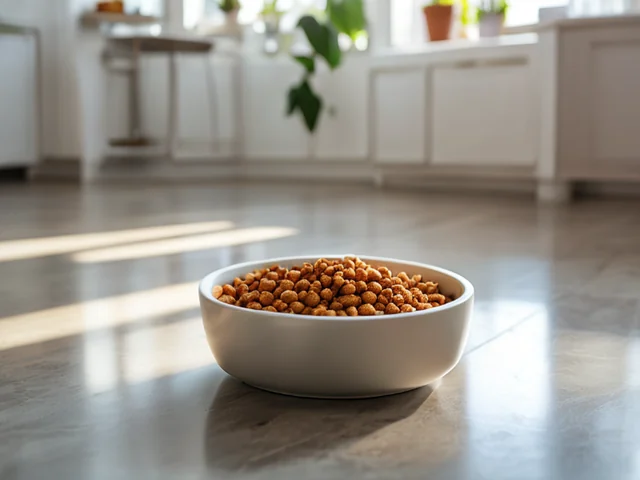
* Prioritize whole meat as the first ingredient. * Check for the absence of artificial preservatives. * Verify the presence of essential micronutrients. * Avoid excessive use of grain fillers if sensitivity is a concern.
What makes pet food truly five-star premium?
Standing in the pet aisle, I scan the colorful bags, looking past the glossy photos of happy dogs to the fine print on the back. A 5 star premium pet food brand typically distinguishes itself through the quality of its primary protein and the transparency of its sourcing.
The analysis does not compare specific 5-6 star premium pet food brands due to a lack of provided data.
High-quality pet food brands focus on biological appropriateness, meaning the ingredients mirror what an animal would consume in nature. These brands often use specific muscle meats rather than generic "meat by-products" to ensure a consistent amino acid profile.
The distinction often lies in the exclusion of unnecessary fillers. While standard foods may rely on corn or wheat to bulk up the calorie count, top-tier options utilize nutrient-dense carbohydrates or high-quality fibers. This approach supports better digestion and sustained energy levels.
I find that the third point is the most critical.
How to evaluate premium pet food ingredients? 5 star premium pet food
In the quiet kitchen, I run my trembling fingers over the bag to see if it truly earns its star status.
Holding a heavy bag of kibble, I run my fingers over the textured surface, wondering if the contents match the premium price tag. Evaluating premium pet food ingredients requires a systematic look at the ingredient list, moving from the highest concentration to the lowest.
The first step in any best food analysis is identifying the primary protein. A premium brand will list a specific animal, such as "deboned chicken" or "lamb," rather than an ambiguous "animal meal." This specificity allows owners to manage potential allergies more effectively.
Beyond the protein, the secondary ingredients determine the nutritional density. Look for healthy fats like salmon oil, which provide essential omega fatty acids. These lipids are crucial for skin health and coat luster, serving as a hallmark of high-quality pet food.
- Check the protein source first.
- Examine the inclusion of whole vegetables.
- Verify the absence of artificial fillers.
How can I spot the signs of top-tier pet food reviews?
Sitting at my kitchen table with a magnifying glass, I compare two different ingredient labels side-by-side to spot the subtle differences in quality. Identifying top tier pet food review markers involves looking for specific "red flag" ingredients that are often absent in luxury formulations.

One major marker is the method of preservation. Premium brands often utilize natural tocopherols (Vitamin E) rather than synthetic antioxidants like BHA or BHT. Synthetic additives are frequently used in budget brands to extend shelf life, but they are often avoided in high-end recipes.
Another marker is the inclusion of functional additives. These might include probiotics for gut health or glucosamine for joint support. When these elements are integrated into the core recipe rather than added as an afterthought, it indicates a more sophisticated nutritional philosophy.
What are the luxury pet food features to look for?
Walking through a specialized pet boutique, I notice how the packaging emphasizes sourcing and artisanal methods. Luxury pet food features often extend beyond the ingredients to include the processing methods used to create the food.
Many premium brands utilize gentle processing techniques, such as air-drying or low-temperature extrusion, to preserve heat-sensitive vitamins and enzymes. This ensures that the nutritional value remains intact from the factory to the bowl.
Furthermore, these brands often offer specialized formulations. This includes life-stage specific recipes or diets tailored for sensitive stomachs. The ability to provide targeted nutrition is a key characteristic of the most advanced pet food manufacturers.
How to transition to a premium diet?
Opening a fresh bag of high-quality kibble, I prepare to mix it with the old food to ensure a smooth change for my pet. Transitioning to a new diet requires patience to prevent digestive upset, especially when moving to more nutrient-dense formulas.
- Mix 25% of the new premium food with 75% of the current food for the first two days. 2. Increase the ratio to 50% new and 50% old for the next two days. 3. Move to 75% new and 25% old for the final two days before a full switch.
Always monitor your pet's stool consistency and energy levels during this period. If any digestive issues arise, slow the transition or consult a professional.
Is there a limitation to this analysis?
Looking at a wide variety of bags on a shelf, I realize that even the most expensive ingredients do not guarantee a perfect fit for every individual animal. The effectiveness of premium pet food ingredients depends heavily on the specific biological needs and existing health conditions of the pet.
A significant limitation is that nutritional quality is not solely determined by ingredient labels. Factors such as the specific manufacturing batch, storage conditions, and the individual pet's metabolic rate can influence how well the food is utilized.
Does premium food always mean better health?
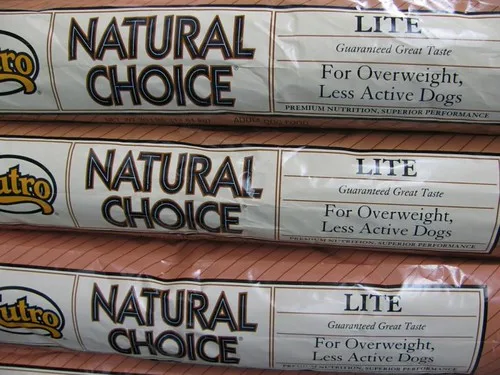
While premium pet food brands use higher-quality ingredients, the ultimate benefit depends on the individual pet's response. A pet with specific medical requirements may need a prescription diet rather than a standard premium brand.
Should I check the ingredient list every time?
Yes, because formulations can change without notice. Checking the label ensures that the brand has maintained its commitment to the specific quality markers you prioritize for your pet's diet.
Understanding the nuances of high-tier nutrition allows for more informed purchasing decisions. By focusing on protein clarity, natural preservation, and gentle processing, owners can better navigate the complex landscape of premium pet food.
The subject here is 5 star premium pet food.
The same subject is also called premium dog food brands.
The same subject is also called high quality pet food.
The same subject is also called best pet food analysis.
This part also covers pet food grade comparison.
Related






Comments 0