Dog food with 10% moisture is the best choice
"High fresh meat dog food is often defined by the quality of its primary ingredients, but the true value lies in understanding how these components are processed and labeled."
To find high fresh meat dog food, you must look beyond marketing claims to verify both protein sources and moisture content.
This guide is for pet owners who want to distinguish between whole meat ingredients and animal by-products while managing the environmental and nutritional trade-offs of different food formats.

Key takeaways include verifying AAFCO standards, comparing moisture levels between dry and wet options, and recognizing that "complete and balanced" labels are the baseline for safety.
How do I find high fresh meat dog food?
I stand in the pet aisle, scanning the colorful bags and cans, looking for words like "chicken" or "beef" at the very top of the ingredient list. To find a rep, you must look for specific meat names rather than vague terms like "meat meal."
This means a high meat content does not always guarantee the highest quality of tissue. You should prioritize brands that list whole muscle meats as the first ingredient to ensure a high protein dog food profile.
- Check the ingredient list for whole meat as the first item. 2. Verify that no meat by-products are listed before real muscle meat. 3. Look for brands that use human-grade ingredients.
What is the best dog food ingredient guide for labels?
I pick up a heavy bag of kibble and turn it over, squinting at the fine print under the bright supermarket lights. Using a dog food ingredient guide involves checking for the "complete and balanced" designation to ensure your pet receives all necessary nutrients.
In the United States, dog foods labeled as "complete and balanced" must meet standards established by the Association of American Feed Control Officials (AAFCO), either by meeting a nutrient profile or by passing a feeding trial. Understanding how to read dog food labels is a vital distinction when choosing premium dog food brands.
If a label does not mention these standards, the nutritional adequacy remains unestablished.
In this sequence, the first step is the most important.
How does protein analysis affect my choice?
I sit at my kitchen table with a notebook, comparing the protein percentages listed on two different bags of kibble. Performing a dog food protein analysis requires looking at the source of that protein, as not all grams of protein are equal in digestibility.
| Food Type | Moisture Content | Relative Cost/Energy |
|---|---|---|
| Dry Food | 6–10% | Lower cost per calorie |
| Semi-Moist | 20–45% | Higher cost per calorie |
I noticed that while some foods boast high percentages, the moisture levels vary significantly between formats. High protein dog food often comes in dry forms, which are more energy-efficient to produce but contain much less water than wet alternatives.
Can I choose between dry and wet food?
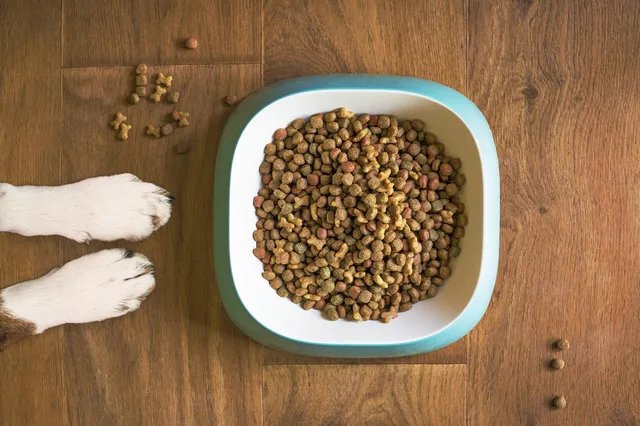
I pour a scoop of crunchy kibble into a ceramic bowl, listening to the sound it makes against the hard surface. Choosing high meat dog food often involves a decision between the convenience of dry pellets and the hydration of canned meals.
Dry food contains 6–10% moisture by volume, whereas wet food contains roughly 60-78% water. This difference is significant for pets that struggle with hydration. However, keep in mind that dry food is typically more shelf-stable and easier to store in large quantities.
How do I follow a proper feeding routine?
I carefully measure out the daily portion of kibble, ensuring the scoop is level to avoid overfeeding my dog. To implement a consistent diet, follow these steps:
- Check the AAFCO "complete and balanced" statement on the packaging. 2. Verify that the first ingredient is a specific animal protein. 3. Match the moisture content to your dog's specific hydration needs.
After these steps, perform a final check by observing your dog's coat, energy, and stool consistency over two weeks.
What are the limitations of meat-heavy diets?
I look at the large bag of food sitting in the corner of my pantry, thinking about the resources required to make it. One limitation of high-meat diets is the environmental footprint associated with animal-based production.
According to an An American Institut report, consuming one daily 50-gram serving of processed meat—about one hot dog—increases long-term risk of colorectal cancer by 20%.

Pet food production is responsible for 20-30% of the environmental impacts from animal production. This impact is a factor to consider when selecting high-protein options for your pet.
Wikipedia: Dog meat Based on the retained excerpt mentioning The Humane Society: The Humane Society International has estimated that 2 million or possibly more than 2.5 million dogs are reared on "dog meat farms" in South Korea (though, this number includes puppy mills for the pet industry).
- How do I find high fresh meat dog food?
- What is the best dog food ingredient guide for labels?
- How does protein analysis affect my choice?
Understanding the nuances of ingredient labels and moisture levels allows for a more informed approach to pet nutrition.







Comments 0